
Tackling the Opioid Crisis: California’s Groundbreaking Move
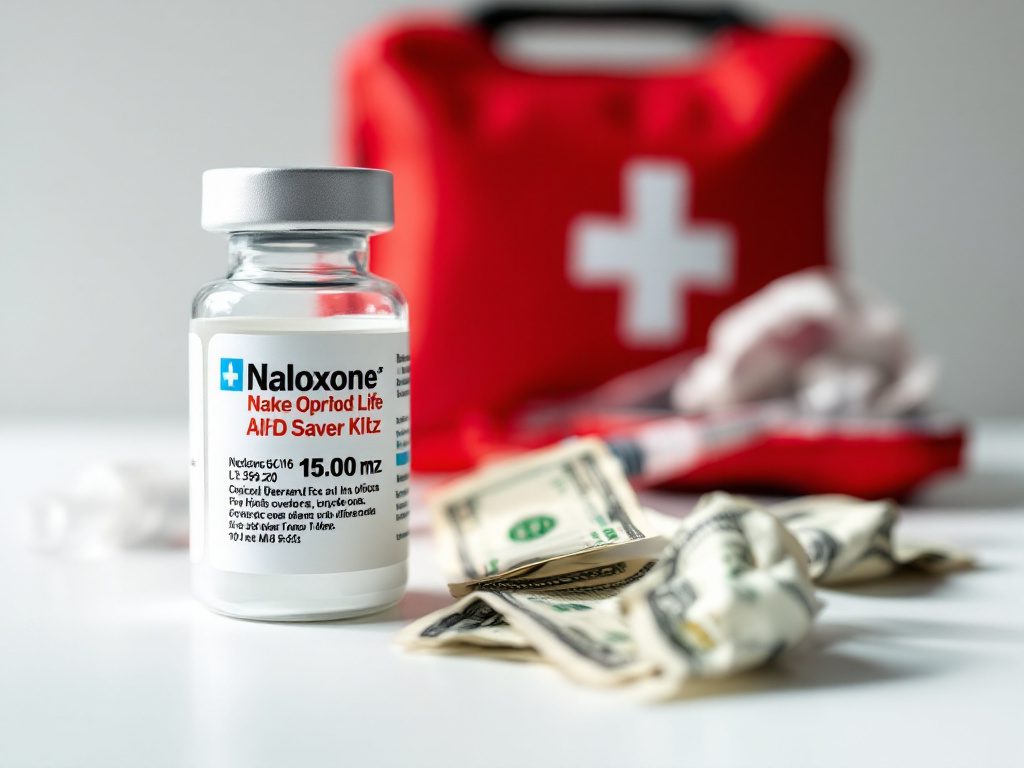
The opioid epidemic has carved a devastating path through American families and communities, leaving public health agencies scrambling for innovative solutions. Now, California is taking a bold stance: any resident can directly buy naloxone—the opioid overdose reversal drug—at a dramatically discounted rate through a recently launched state program. Priced at $24 for a two-dose pack, this offering slashes the cost by more than half compared to typical retail stores, where the price usually hovers between $45 and $70.
This is more than just a policy tweak. Opioid overdose deaths in California surged to over 8,900 last year, a 13% increase from 2023, according to the California Department of Public Health. Caught in an escalating crisis fueled by fentanyl-laced street drugs and counterfeit opioid pills, families now face higher risks than ever, regardless of background or geography. According to the U.S. Drug Enforcement Administration, seemingly benign substances like pressed pills or cocaine are increasingly tainted with potent, often lethal, amounts of synthetic opioids.
Governor Gavin Newsom’s administration pushed this trailblazing change under the state’s CalRx initiative, shifting the model from bulk government procurement to direct-to-consumer access. The intent is clear: save lives by making this critical medication both affordable and ubiquitous. California is the first state to launch such a universal offering, and the direct sale is conveniently available online, allowing rapid response for families, schools, and individuals.
The Story Behind CalRx: Ambition Meets Obstacles
CalRx, the state’s initiative to slash prescription drug prices by contracting directly with manufacturers, signaled a new era of progressive public health strategy. Originally, CalRx made headlines with its vision to produce low-cost insulin. Yet as of early 2024—despite much anticipation—the state has yet to deliver on that insulin promise, a delay Newsom’s administration has publicly acknowledged.
While the insulin plan stalled, the strategy to expand naloxone access gained momentum. A key breakthrough came when California negotiated a deal with Amneal Pharmaceuticals, securing the state’s generic version of Narcan at 40% less than what the state previously paid for the name-brand product. This translated into tangible fiscal relief, allowing the state to stretch its budget further and purchase more life-saving kits for communities most at risk.
Since 2018, California distributed over six million naloxone kits, credited with reversing at least 355,000 overdoses—a testament to the enormous impact state intervention can yield. The program is fueled by $150 million in opioid settlement funds earmarked to fight addiction and loss until 2027. These measures present a sharp contrast to states that leave drug pricing and distribution to market forces, with predictable results: rising prices, limited access, and preventable deaths.
“If making naloxone universally affordable saves even a fraction of the nearly 9,000 Californians lost to overdose last year, it’s a model the nation should be racing to follow.”
The Newsom administration is betting on scale: bulk purchasing and aggressive negotiation empower states—rather than corporate interests—to set the standard on life-saving access. “California is proving that bold public action can cut through bureaucratic and market barriers, delivering real solutions for real people,” says Dr. Leila Austin, a public health policy expert at UC Berkeley. “It’s the principle of health equity made manifest.”
Unpacking the Backlash: Scrutiny Over Pharma Partnerships and the Political Landscape
The deal’s not without controversy. When California inked the agreement with Amneal Pharmaceuticals, criticism swiftly followed. Amneal, after all, agreed to pay $273 million to settle allegations that it helped fuel the opioid crisis—a settlement that for many rings hollow compared to the suffering unleashed by the industry. Assemblymember Joe Patterson even introduced a bill seeking to nullify the contract, arguing that public dollars shouldn’t enrich companies linked to the epidemic. The bill hasn’t advanced, but the broader skepticism remains part of the national conversation.
These tensions mirror a familiar story in U.S. healthcare: public good often gets tangled in private profit. While pharmaceutical companies rake in record profits, communities reel from addiction and loss. The stark contrast lays bare the limitations of market-driven solutions to systemic health crises—especially when those markets are shaped by powerful lobbies and patent abuse.
Conservatives often argue that government intervention in medicine distorts the market, slows innovation, and threatens individual choice. Recent history paints a different picture. Unfettered markets led to opioid over-prescription, staggering price inflation for critical medications, and a predictable shortage for marginalized communities. Direct, progressive-led state intervention—modeled in California—represents a counterweight, one grounded in data, public well-being, and social justice.
The path forward is clear for those who choose to see it. Universal access to naloxone won’t halt the overdose epidemic overnight, but it’s the foundation for a more humane and rational response. The Newsom administration is leveraging its power to challenge pharmaceutical pricing and to demand accountability, while conservative critics would rather defer to a status quo built to fail the most vulnerable.
The Road Ahead: Accessibility, Equity, and National Implications
Rolling out over-the-counter naloxone to all Californians marks a decisive victory for health equity and harm reduction. But enormous challenges persist. Experts warn that stigma still deters families from seeking overdose medication—and that distribution must reach every ZIP code, not just affluent enclaves or digital natives with internet access.
As the federal government debates a national response to the opioid crisis, the country will be watching California’s experiment closely. Harvard public health professor Dr. Marsha Klein notes, “Expanding naloxone access is just step one. Effective outcomes hinge on our readiness to invest in addiction treatment, mental health, and targeted education in schools and communities.”
Imagine the lives saved if other states followed suit. Access to overdose reversal drugs should be as universal and uncontroversial as access to fire extinguishers or seat belts. When society treats addiction as a public health issue, not a moral failing, hope—and real, measurable progress—become possible. California’s action is not just a lifeline for the vulnerable; it’s a clarion call for the nation.
