
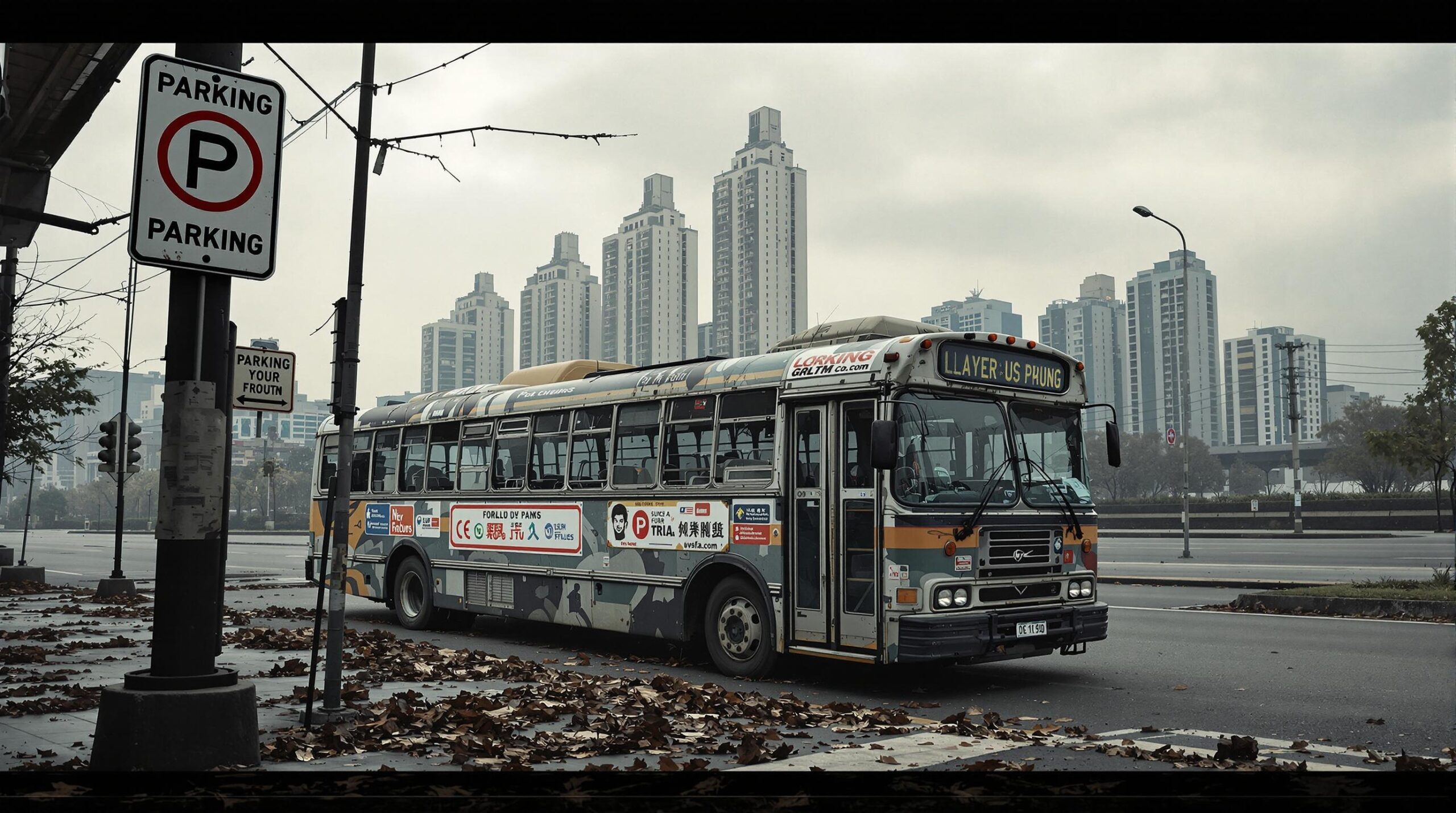
From waiting on bustling train platforms to navigating winding bus routes, Chicago’s expansive transit system weaves through the daily lives of millions. Yet now, the city’s vital public transportation networks—CTA, Metra, and Pace—stand at the brink, threatened by a crippling $770 million budget deficit that could fundamentally reshape commuting across the region. With drastic cuts looming, Chicagoans are left grappling with the alarming possibility of losing the transit services that power their communities.
A System on the Brink
Under current dire scenarios outlined by the Regional Transportation Authority (RTA), these potential cuts aren’t just inconvenient—they’re devastating. Without intervention, the CTA could shrink to a system with fewer bus routes than cities much smaller than Chicago. Imagine Chicago, the thriving hub home to millions, offering fewer transit options than Madison, Wisconsin, or Kansas City, Missouri. It’s a stark visualization of what’s at stake.
Transit isn’t merely about convenience—it’s a lifeline for economic stability, environmental sustainability, and social equity. The RTA warns that the cuts could lead to the elimination of over half of Chicago’s bus routes, the closure of segments on the iconic “L” lines, and drastic reductions to Metra’s weekday services, potentially reducing train availability to just once per hour.
According to transit officials, these cuts could also translate to nearly 3,000 lost transit jobs, delivering an economic blow of approximately $2.6 billion annually, coupled with an additional $1 billion in wages removed from the pockets of workers. Reflecting on this crisis, RTA Executive Director Leanne Redden stressed, “People have to understand what the consequences are of not filling the funding gap.”
An Urgent Call for Legislative Action
Chicago’s transit predicament isn’t bound to remain hypothetical. With COVID-19 federal relief funding drying up, the urgency for decisive state legislative action has escalated significantly. If no solution is found before next year’s budget, the city could witness drastic reductions as early as 2026.
Facing this looming financial challenge, transit advocates and agency heads argue that reforms are as crucial as new funding. The RTA’s suggested consolidation of CTA, Metra, Pace, and itself into a unified entity could streamline processes and improve coordination. Such an initiative suggests a forward-thinking approach toward administrative efficiency, tamping down bureaucratic redundancy, and potentially making the case stronger for securing needed state funds.
Amid these calls for change, however, there’s tension. Some state legislators maintain that transit agencies must demonstrate a willingness to embrace necessary reforms before any funding allocation. It’s a standoff that risks further delaying essential discussions and preparations, amplifying the uncertainty felt by transit-reliant communities.
Beyond Commutes: Public Transit as a Public Good
Considering the expansive implications of this budget shortfall, it’s crucial to grasp public transit’s role beyond simply moving people from point A to point B. Transit systems embody environmental responsibility—fewer buses and trains mean more cars on congested roads, exacerbating pollution and traffic. They represent economic justice, providing affordable mobility for lower-income communities, who may not have alternative transportation options. Chicagoans from all walks of life rely heavily on buses and trains to access jobs, healthcare, education, and basic day-to-day amenities.
“Transit is not an option, it’s a necessity. Any cuts to service ultimately hurt our most vulnerable residents and widen inequalities that have already existed too long in our city,” said a local transit advocate.
Historical lessons echo these sentiments. In the 1980s and 90s, prior budget crises resulted in significant cuts and fare increases that disproportionately harmed the city’s lower-income residents. Recovery from the harm took years, demonstrating how poor public transit decisions could ripple across generations.
A Path Forward
Despite the troubling horizon, a vision for a more robust and inclusive transit system offers optimism. Advocates propose a $1.5 billion infusion to modernize and grow Chicago’s transportation infrastructure, building upon existing developments designed for sustainability and innovation. The potential to revitalize and reorganize services represents a compelling opportunity—not merely to avoid catastrophe but to advance toward an improved, unified transit model.
Pragmatism and empathy alike dictate a clear course: legislators, transit authorities, and community voices must unite swiftly to secure solutions. Vitally needed now is a political willingness to invest in public transit not strictly as spending, but as profound commitment to community health, equity, environmental integrity, and collective resilience.
Chicago stands at a crossroads—the decisions made in the coming months will shape not just transit routes but community trajectories for years to come. Now, more than ever, it’s critical for stakeholders across the spectrum to recognize the severe consequences of inaction and the transformative potential of proactive investment. Public transit remains not only a fundamental public good but a powerful vehicle for equity, sustainability, and shared prosperity, worthy of prioritized protection.
