
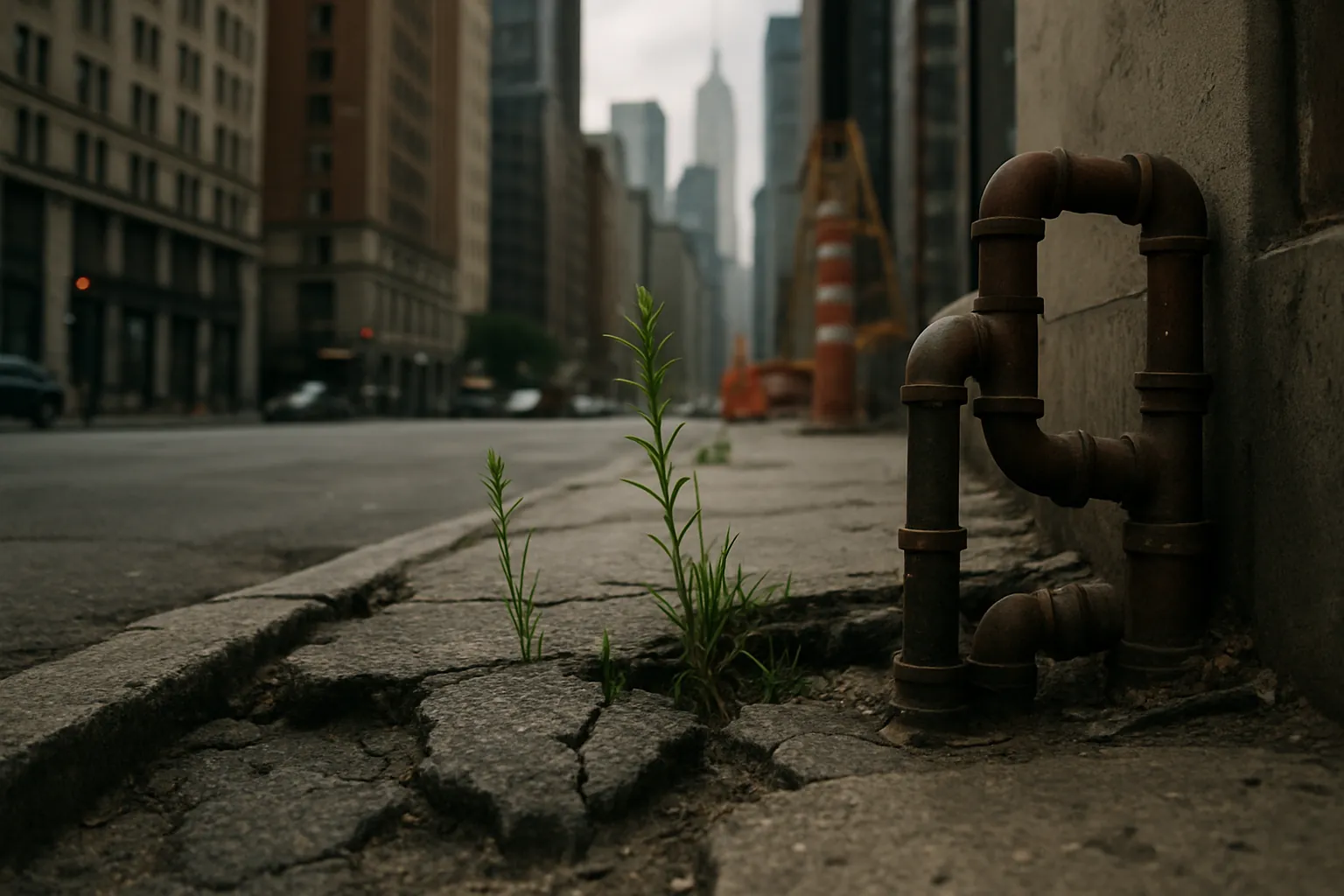
Urban Infrastructure: Making the Invisible Visible
It can take just a single storm to expose decades of neglect. As Hurricane Ida’s remnants tore through New York in 2021, basement apartments in Queens became deadly traps for 11 residents, overwhelmed in minutes by floodwaters. This wasn’t simply a meteorological fluke. Rather, it was the grim climax of unseen infrastructure vulnerabilities—the tangled arteries of water, sewage, and transit beneath our streets that most New Yorkers rarely consider.
Now, just blocks from those flooded neighborhoods, the New York Hall of Science is tackling this “out of sight, out of mind” dynamic head-on. Their new CityWorks exhibit, the museum’s largest ever, brings the hidden skeleton of city life to the surface. Visitors—over 20,000 since opening—walk through interactive installations showing exactly where, and how, the city’s most critical systems buckle under pressure. The centerpiece is a 16-foot-tall model block, complete with pulsing pipes, shifting LED flood maps, and bilingual narration to draw in everyone from children to seniors, regardless of English proficiency.
Beyond that, CityWorks is intentionally located—a daily reminder in a community still carrying the scars of one of New York’s worst infrastructure disasters. Movement through the exhibit is as tactile as it is emotional, inviting you to touch, trace, and question a city’s inner workings. This isn’t your grandfather’s science museum: it’s a forum for civic reckoning.
The High Stakes of Neglected Systems
Why do these lessons matter so much—now? According to the American Society of Civil Engineers, New York’s overall infrastructure grade is a disheartening “C-”, with stormwater management receiving one of the lowest marks. A closer look reveals that cities across the United States share similar weaknesses: aging pipes, crumbling transit, and funding gaps that disproportionately hurt low-income, minority neighborhoods.
Harvard urban studies professor Diane Samuels notes, “The invisible labor of infrastructure is only appreciated when it breaks. When flooding or power outages happen, the people most affected are often those least considered in city planning.”
Community engagement is about more than education—it is existential. Without hands-on learning and advocacy, political will for upgrades evaporates. Instead of prepping for the next climate disaster, leaders too often fall back on the failed logic of austerity: cutting budgets for preventive maintenance, ignoring early warning signs, and writing off entire swaths of the city as collateral damage.
“The reality is that functioning infrastructure only makes headlines when it fails—often with tragic consequences for the most vulnerable among us.”
— Katie Culp, Chief Learning Officer, New York Hall of Science
These failures are no accident. After the catastrophic flooding of Hurricane Ida, reports from the NYU Furman Center found that lower-income areas in Queens and the Bronx had among the city’s highest risks for sewer backups and flooded homes, stemming directly from antiquated, underfunded systems. Rather than upgrading century-old pipes or redesigning streets to absorb stormwater, much of the response was reactive, focusing on patchwork fixes rather than long-term solutions.
Sparking Conversations for a More Just City
The genius of the CityWorks exhibit lies not just in what it presents, but in what it demands from its audience: engagement and imagination. Inclusion is central—audio guides are available in English and Spanish, displays are designed for all ages, and every major system is represented alongside demographic maps and local stories. This is learning as a catalyst for collective action.
Experts echo this approach. The Urban Institute’s Carlos Sanchez underscores, “Museums have a unique power to make abstract issues real. When a 10-year-old sees how a single drain can overflow a whole block, it plants the seeds for a generation that refuses to accept unsafe, unequal cities.”
Exhibits like CityWorks flip the script on outdated ideas about who gets to understand (and shape) the city’s future. Instead of treating infrastructure as the domain of engineers and bureaucrats, these museums make clear that everyone—especially marginalized residents and youth—must be part of conversations about resilience, funding, and climate adaptation. As climate threats grow, so does the urgency for an informed, empowered public.
History suggests that this approach works. During the post-Sandy rebuilding era in New York, public consultations led by grassroots organizations prompted real changes, from new stormwater parks to guidelines mandating language accessibility in public alerts. Those wins emerged because communities demanded visibility and voice.
Equity in infrastructure is non-negotiable for a functioning democracy. Yet conservative arguments to further privatize, deregulate, or disinvest stand in direct opposition to this evidence: the less transparent public systems become, the more likely they are to fail the communities that need them most. This isn’t just about pipes and pavement; it’s about who gets to survive and thrive.
The Path Forward: Reimagining the Urban Commons
New York’s CityWorks exhibit is already shaping a new model—a blueprint for community-driven awareness and advocacy. If you walk these halls, you participate in the kind of shared reflection our cities desperately need. The larger message is unmistakable: we can only fix what we are willing to see and understand.
CityWorks marks an important turning point, inviting all New Yorkers—and, by example, all Americans—to consider their role in building safer, fairer cities. It underlines that every voice matters when it comes to demanding better infrastructure, protesting a failing status quo, and imagining a future where no one dies in a preventable basement flood.
True progress starts with exposure, dialogue, and policy that reflect our highest communal ideals: equality, transparency, safety, and the right to a livable city for all. As climate anxiety deepens, who wouldn’t want their community better prepared? The next generation won’t settle for less.
