
Setting a Controversial Precedent
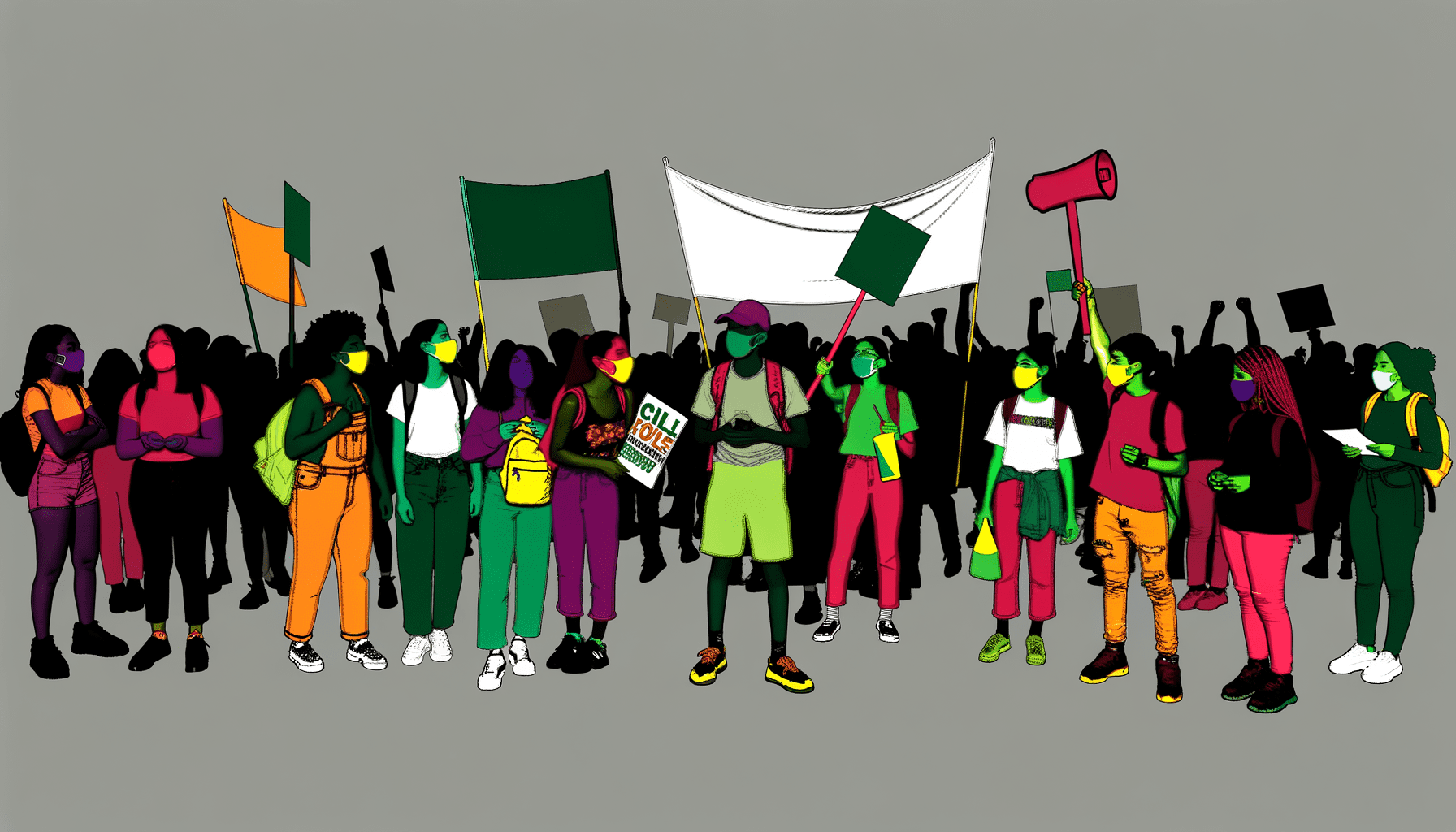
Columbia University’s recent decision to punish students involved in last spring’s pro-Palestinian occupation of Hamilton Hall is igniting a fierce debate among educators, students, and civil rights advocates nationwide. In measures ranging from temporary degree revocations to expulsions, Columbia is drawing headlines and considerable criticism for what many see as a disproportionate and alarming reaction to peaceful student protest.
Columbia University has justified these actions by categorizing the student behaviors during the protest as severe misconduct. The college’s judicial board, in a campus-wide correspondence, cited a rigorous evaluation of student conduct during the occupation, emphasizing accountability in lieu of leniency. However, observers point out disappointing parallels with past harsh measures taken against student activists across multiple eras, hinting at a troubling erosion of educational institutions’ role as bastions of free speech and political expression.
Academic Freedom or Political Repression?
Resistance movements on college campuses have historically been lightning rods for change; from the anti-war demonstrations of the 1960s to today’s calls for racial justice and equity. This tradition of dissent has typically been viewed as an integral part of democracy and higher education. But Columbia University’s severe disciplinary reaction has set off alarm bells for rights-focused organizations and advocates, including student worker unions highly critical of the university.
Grant Miner, president of the Union for Columbia student workers, became one of the faces of this crackdown, expelled just a day before pivotal contract negotiations. The protestors’ union insists that Columbia’s action was strategically aimed at stifling union power and activist voices on campus. UAW Local 2710, representing student workers, denounced Columbia’s expulsions as devastating to First Amendment freedoms, characterizing the incident poignantly as “the latest assault on First Amendment rights.”
Katrina Armstrong, Columbia’s interim president, offered assurances that the school’s response aligns with broader institutional concerns and federal regulations following criticisms from outside observers and political entities, including the Trump administration, accusing Columbia University of inadequately handling antisemitic incidents on campus. The White House recently announced the cancellation of $400 million in federal support governmental funding allegedly due to Columbia’s perceived weak stance against campus antisemitism. In return, university leadership argues their approach affirms commitment to protecting all students and upholding institutional integrity.
Broader Implications for Higher Education and Civil Liberties
However, advocates fear a dangerous precedent now emerges, casting a chilling effect on campus activism affecting not just Columbia, but educational communities nationwide. Take the disturbing development concerning Mahmoud Khalil—a prominent, peaceful campus activist closely involved in negotiation efforts that defused earlier campus tensions. The abrupt detention of Khalil raises further alarms, fuelling concerns that lawful activism could invite severe consequences, including deportation and legal actions based on alleged—and, critics argue, unfounded—links to extremist positions some accuse him of. Khalil’s attorneys, steadfast and resolute, are asserting a staunch denouncement of the federal assault on academic freedom. As attorney advocates declared,
“The accusations against Mahmoud Khalil are unfounded, and these allegations are nothing less than flagrant violations of the First Amendment rights every American should enjoy.”
Further complicating the matter is Columbia University Apartheid Divest (CUAD)’s stark denunciation of the institution’s disciplinary actions. The group, instrumental in last year’s protests, noted grimly that 22 students faced severe repercussions for minor offenses, marking an unsettling record number of expulsions in Columbia’s otherwise storied history of campus activism.
As public resignations and political anxieties swirl within Columbia’s circles and across academia, broader debates surrounding antisemitism, Islamophobia, and the acceptable parameters of campus speech move into clearer focus. If education is meant to foster learning, debate, and progress, should harsh disciplinary actions stifle young voices driven towards justice for oppressed populations around the world?
A cogent reflection emerges: genuine transformative education thrives upon students being encouraged and empowered to challenge—instead of being frightened into submission by the threat of losing educational prospects. Society may have expected university administrators to guide students tactfully with wisdom, compassion, and perspective instead of yielding quickly to broad political pressures and rushed discipline. The progressive ideal should inherently support the spirit of protest and dissent, safeguarding channels for peaceful demonstrations and lively, sometimes contentious political discussions.
Questions remain. Will this collapse of nuanced responses to activism happen elsewhere? As political polarization increases nationally, will administrators increasingly clamp down on campus activists whose positions sometimes offend powerful entities? It might behoove us all—educators, activists, and concerned citizens alike—to advocate for a more balanced and inclusive collective responsibility, one protective of democratic rights whilst uniformly critical of actual hate and violence.
In our classrooms and campus squares, let us remind the world that true academic liberty does not thrive under threat; instead, it requires generous dialogue, patience, meaningful engagement, and, above all, courage in defending free expression. The challenges we’re presently facing call forth new demonstrations and conversations reflecting broader aspirations for democratic equity, solidarity, and social justice—core tenets we simply cannot afford to compromise.
