
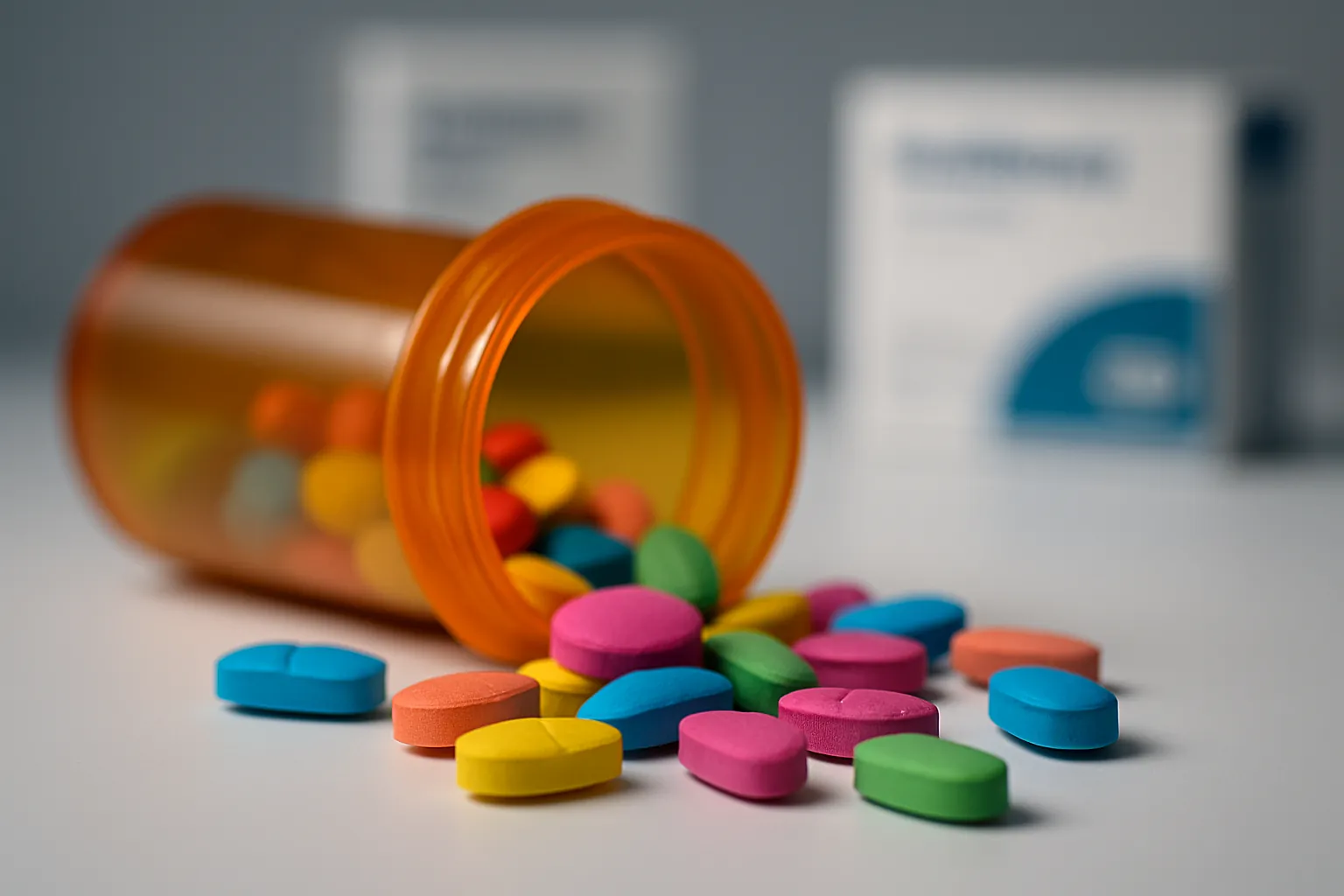
A Deadly Deception in Plain Sight
Imagine believing you’re receiving a treatment that could save your life, only to discover much later it was nothing but a sham. This grim scenario is now a reality for countless Americans, thanks to two Indian brothers who orchestrated an elaborate scheme to flood the U.S. market with counterfeit cancer drugs. Avanish Kumar Jha and Rajnish Kumar Jha, operators of Dhrishti Pharma International, were sentenced on July 10, 2025 to 30 months in prison by a Seattle federal court. Arrested in Singapore in 2023 and extradited to the United States earlier this year, their crimes have reverberated through medical communities and among the gravely ill, raising urgent questions about the vulnerabilities in America’s drug supply chain.
Pretending to offer lifesaving treatments, the Jha brothers hawked counterfeit pharmaceuticals online for years, targeting some of the most desperate in our society. Undercover agents from the FDA and ICE Homeland Security Investigations unraveled a disturbing operation: The drugs the brothers shipped, including so-called vials of Merck’s cancer-fighting Keytruda, were nothing more than over-the-counter heartburn medication—or worse, contaminated with unknown substances. This wasn’t just a crime of profit; it was a direct assault on hope itself, perpetrated by individuals willing to gamble with human lives for personal gain.
The Systemic Threat of Counterfeit Medicine
How did such a breach occur in a nation that prides itself on regulation and oversight? The Jhas’ operation is just the latest in a troubling trend: criminal enterprises exploiting the porousness of international drug distribution and the anxieties of American patients. These counterfeiters exploit regulatory blind spots, abusing online commerce, and masking their transactions through a network of intermediaries and payment schemes.
The consequences are staggering. The so-called Keytruda sold by Dhrishti Pharma offered none of the cancer-fighting properties patients desperately sought. Instead, labs found only inert ingredients, with some vials tainted by contaminants. The very agency tasked with protecting the public—the Food and Drug Administration—found itself racing to respond after the fact, not before sick Americans fell victim. “The issue here is the introduction of adulterated drugs to people who think they are getting lifesaving drugs… This activity has so much risk to cause harm,” admonished U.S. District Judge Ricardo S. Martinez during sentencing. That harm, as medical ethicists point out, is not just to bodies but to trust: When patients hesitate to trust their treatments, society pays an immeasurable price.
Data from the World Health Organization highlights that counterfeit medicine is a global scourge, with up to 1 in 10 medical products in low- and middle-income countries estimated to be substandard or fake. Even in the U.S., the FDA reports, supply chain breaches—often via gray-market or online sellers—have become all too common. Patients, often motivated by impossible medical costs or the urgency of illness, may turn to these vendors unwittingly, placing their lives in the hands of profiteers.
Policy Failures, Profit Motives, and the Path Forward
This episode stings not just because of individual malice but because of systemic shortfalls in oversight and public health priorities. Why, in the wealthiest country on earth, are some cancer patients so desperate they resort to online pharmacies and unverified sources? The answer lies in a toxic mix of sky-high prescription drug prices, insufficient insurance coverage, and a regulatory climate that, for too long, has prioritized pharmaceutical profits over patient protection.
Harvard health policy expert Dr. Atul Gawande has observed that “wherever there are desperate patients and high-cost drugs, criminals will fill the gap.” The Jha brothers’ scheme, according to federal prosecutors, netted them hundreds of thousands of dollars—income scraped from the anguish of victims. U.S. Attorney Teal Luthy Miller minced no words, calling this a “cruel business that deprives people of hope for relief.”
“When a patient battling for their life is deceived by counterfeit medicine, it shatters not only their health but the very notion that the system is there to protect them.”
Attempts to secure justice, such as the brothers’ extradition and punishment, are necessary but reactive. Prevention demands deeper reforms. Progressives have long championed universal access to safe, affordable medication, strengthening FDA oversight, and closing loopholes that allow criminals to exploit international e-commerce. Yet, conservative resistance to stronger consumer protections and price controls remains a significant barrier. We must ask: Who benefits from a system where disease can be weaponized for profit?
Efforts like the Biologics and Biosimilars User Fee Amendments and recent bipartisan pushes for drug supply chain transparency represent steps in the right direction. However, policy experts warn that as long as there is a yawning chasm between need and access, “bad actors will find a way,” to quote FDA Commissioner Dr. Robert Califf.
Building a More Just and Secure Future
Beyond the headlines, this story is a gut-punch reminder that our medical safety net still has dangerous holes. Real lives hang in the balance when access, oversight, and affordability are not treated as shared responsibilities. The Jha brothers’ downfall is a small relief to families already hurt; it cannot undo the trauma inflicted by snake oil masquerading as modern medicine.
So, what can you do as a citizen, voter, or patient? Demand that lawmakers strengthen drug safety regulations, support efforts to cap the price of critical care medications, and look skeptically at politicians who downplay the human cost of a lax regulatory environment. According to a recent Pew Research Center study, nearly 80% of Americans want the federal government to do more to rein in unsafe and overpriced pharmaceuticals. It’s not just a policy preference—it’s an urgent life-and-death issue.
Solidarity, transparency, and vigilance: These should be the guiding principles as we strive to close the loopholes exploited by criminals and restore trust in our healthcare system. Because in a society that values justice and compassion, profit should never eclipse the right to safe, effective treatment for those who need it most.
