
Violence at the Border: What Happened in McAllen?
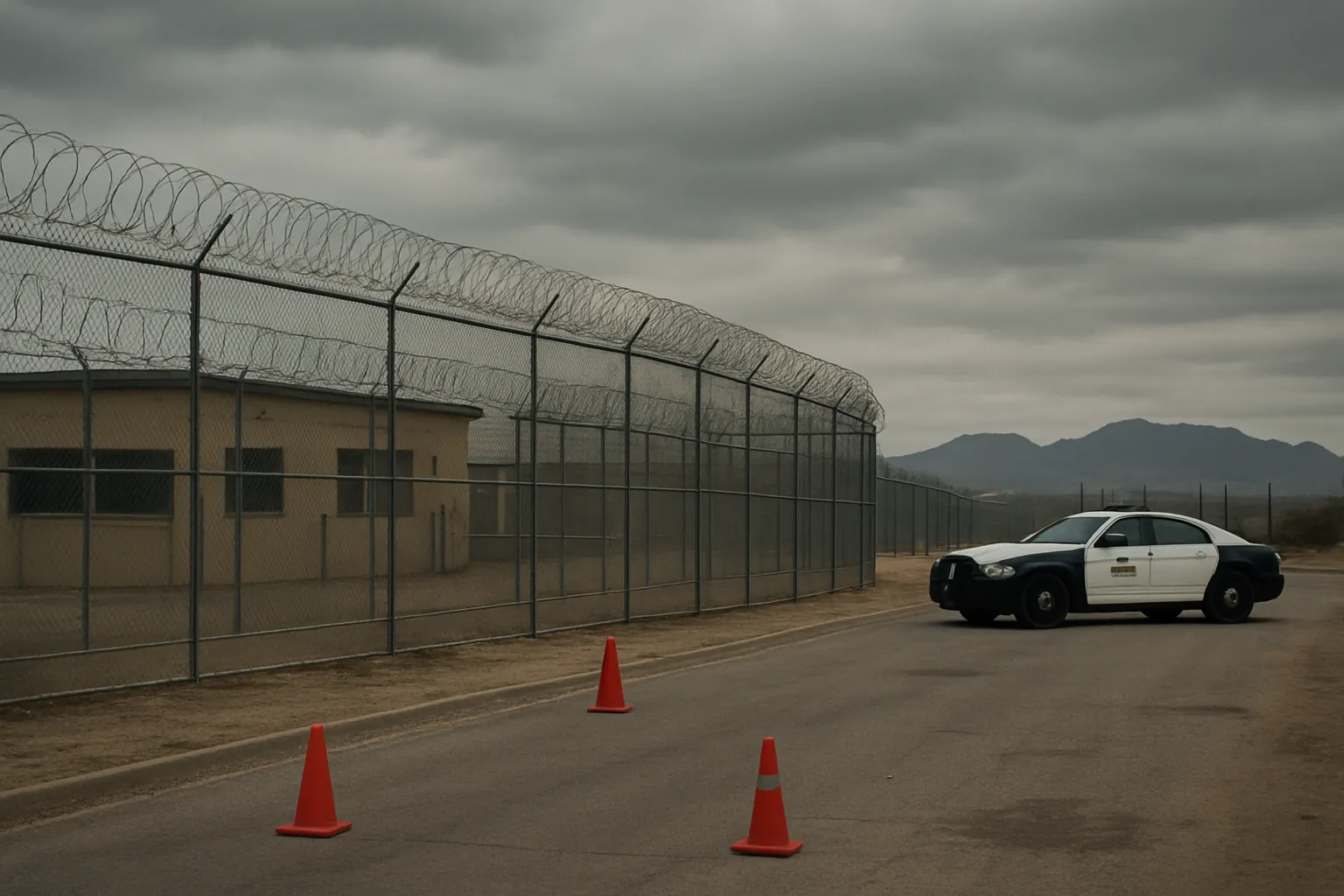
The early morning quiet near McAllen International Airport shattered when Ryan Louis Mosqueda, a 27-year-old Michigan man, opened fire at the U.S. Border Patrol sector annex, unleashing a torrent of bullets and questions. Wearing a utility vest and wielding an assault rifle, Mosqueda attacked the federal installation, injuring a McAllen police officer and two others before being killed in an exchange of gunfire with Border Patrol agents and local police.
The event sent shockwaves through a region already sensitive to debates over border policy and public safety, highlighting not only the vulnerability of governmental facilities but also the social undercurrents that often go unaddressed. Homeland Security officials confirmed that Mosqueda fired on the building, damaging its exterior but never entering. Three people—including an officer struck in the knee—were hospitalized. Authorities seized additional firearms and ammunition from Mosqueda’s vehicle, which bore Michigan plates and mysterious spray-painted markings. The local airport suspended flights amid the chaos as federal and local responders secured the area (Department of Homeland Security, July 2024).
A glaring question persists: Why did this happen? Officials remain tight-lipped regarding a motive. The FBI has taken charge of the case, and preliminary statements indicate no conclusive links to terrorism or organized extremism. But ambiguity still hovers, with authorities declining to release further details about the vehicle’s graffiti or Mosqueda’s background. The only confirmed facts are grim—a man targeting a symbol of federal authority, leaving several people wounded and a community reeling.
Cracks in the Conservative Narrative on Border Security
Conservatives regularly tout hardline border security as the ultimate deterrent for chaos and violence at the nation’s borders. Yet, this incident exposes the fallacy in that narrative: even fortified, militarized policies cannot fully prevent attacks, especially those arising from domestic sources. There is a harrowing reality to the notion that increased weaponization at the border does not equate to absolute safety.
Historical context amplifies the lesson. In the past decade, America has seen a disturbing uptick in attacks targeting government offices—not from foreign adversaries, but from within. According to a 2023 FBI report, domestic terror incidents have outpaced those linked to international groups since 2020. Attacks like the 1995 Oklahoma City bombing and the more recent January 6 Capitol riot offer chilling reminders that the threat often comes from citizens radicalized by a combustible mix of ideology, isolation, and easy access to firearms.
“After every high-profile tragedy like this, the reflex is to demand more barriers, more guns, more force. But security isn’t just about hardware and walls—it’s about treating the root causes that drive people to violence in the first place.”
Harvard sociologist Dr. Maya Espinoza believes incidents like McAllen “should force us to interrogate not just our border policy but our gun culture and national rhetoric.” She points to patterns: suspects often travel long distances, planning attacks prompted by grievances ranging from government distrust to economic frustration, yet little is done to address the roots of these crises. Instead, political discourse skews toward more fortification—unironically advocating the very militarization that failed to prevent Mosqueda’s assault.
Rethinking Security: Toward Justice and Prevention
Beyond the immediate tragedy, this shooting underscores the urgent need for a smarter, more equitable approach to public safety. Progressive experts warn against merely doubling down on punitive solutions. Community investment, mental health support, and gun reform remain chronically underfunded, while law enforcement budgets balloon. According to the Pew Research Center, the United States has the highest rate of gun violence among wealthy nations, connected inextricably to lax regulations and the easy availability of high-powered firearms—a problem unique to America.
The spray-painted writing on Mosqueda’s vehicle, still undisclosed to the public, serves as a potent metaphor for the opaque motives and complex frustrations simmering beneath the surface of American society. Until institutions reckon with deeper societal wounds—mental health crises, economic dislocation, rampant disinformation—attacks like McAllen’s will remain possible, no matter how many fences, checkpoints, and federal agents stand guard. The limitations of the conservative approach to border and public safety policy are stark: tough-on-crime rhetoric and reactionary funding cannot replace systemic solutions addressing why these attacks happen in the first place.
What would an authentic, progressive security agenda look like? It would begin by fortifying not just the physical border but the social contract itself—through expanded access to mental healthcare, targeted intervention programs, and meaningful gun safety laws that reflect the priorities of the majority of Americans. As criminologist Dr. Louise Harper notes, “The tragedy in McAllen is another wakeup call. We need policies that empower communities instead of simply escalating force.” Empathy, prevention, and justice must become the new pillars of American safety.
The McAllen shooting should not be reduced to just another headline in an endless litany of violence. Now is the time for policymakers—and all of us—to question the brittle promises of “toughness” and embrace approaches that prioritize equality and collective well-being over empty, reactive rhetoric.
