
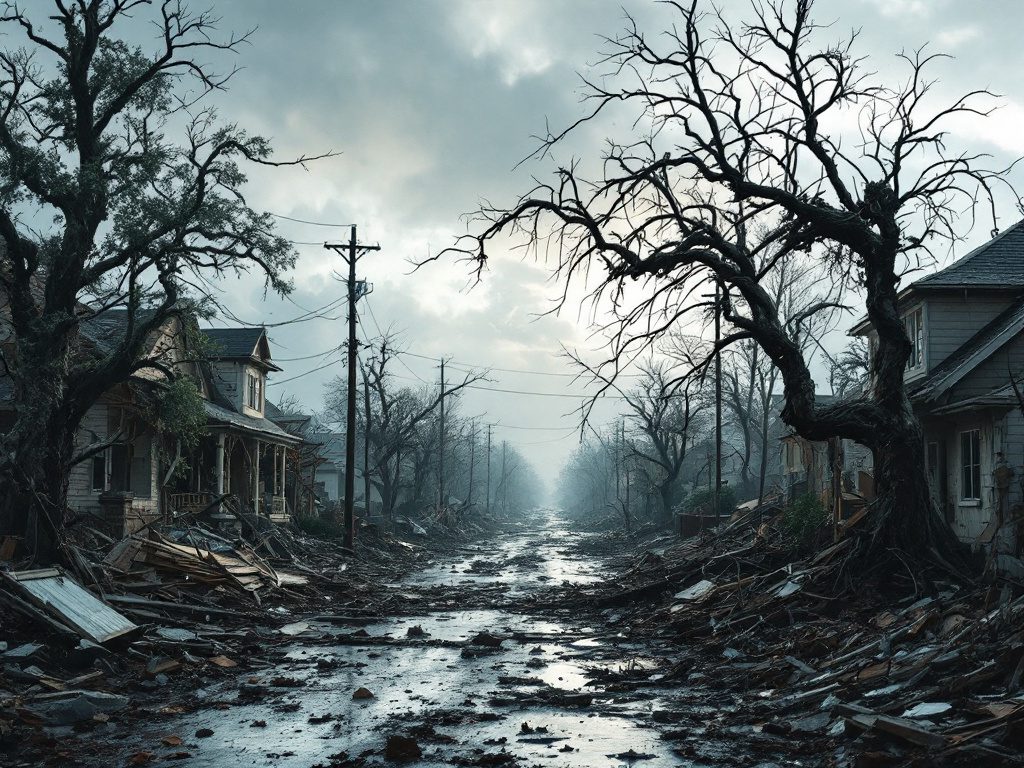
Over the past several days, severe weather events ravaged parts of the Midwest and South, with widespread flooding and powerful tornadoes causing an alarming death toll of at least 16 people. Communities from Texas to Ohio were swept into chaos as dire warnings unfolded into horrifying reality.
A Grim Toll of Nature’s Fury
The relentless storms inflicted deadly havoc, causing tragic losses across several states. At the epicenter of the devastation stands Tennessee, where at least ten lives were lost. Among the hardest-hit states was also Kentucky, where two residents perished—including a 9-year-old child. Similarly heart-wrenching, Arkansas reported the loss of a 5-year-old child swept away in rapidly rising floodwaters. Meanwhile, in rugged terrain like Butler and Falmouth, mandatory evacuations were initiated, and hundreds of roads were rendered impassable by fallen trees, heavy rains, and landslides.
Amid such catastrophes, the sense of normalcy vanished for hundreds of thousands of Americans. According to poweroutage.com, over 250,000 homes and businesses lost power, exacerbating the despair and destruction already imposed by the floods and tornadoes. Louisville Mayor Craig Greenberg underscored the gravity of the situation, proclaiming, “We expect this to be one of the top 10 flooding events in Louisville history.”
Infrastructure Disruption Highlights Vulnerability
While the immediate damage is tragic, long-term impacts on commerce and supply chains may create lasting hardships. Meteorologist Jonathan Porter explained to CNN that flooding along crucial transportation corridors such as those near Louisville and Memphis “could cause significant shipping delays and disrupt the supply chain.”
“We expect this to be one of the top 10 flooding events in Louisville history.”
– Louisville Mayor Craig Greenberg
The severe flooding jeopardizes major supply arteries that thousands of businesses nationwide rely upon. With critical roads submerged or obstructed, the transport of essential goods faces risks of extensive delays and shortages, a sobering reminder of systemic vulnerability in the face of climate-driven weather events.
Facing historic rainfall levels, whole towns are wondering what such frequent and increasingly intense storms mean for their future. In Kentucky, Arkansas, and Missouri, extraordinary rainfall amounts cascading beyond 30 inches in just days signal a troubling shift toward more extreme weather intensity.
The Science Behind the Storm
Why are events like these becoming more common and destructive? A closer look reveals that the severity of these weather patterns is driven by multiple interlocking factors. Forecasters identify a dangerous interplay of “warm temperatures, unstable atmosphere, strong wind shear, and copious humidity from the Gulf of Mexico.” This cocktail of climatic ingredients creates conditions ripe for fierce, unpredictable storms capable of producing catastrophic floods and tornadoes.
Such weather disasters are not isolated phenomena—rather, they reflect a broader pattern of meteorological instability amplified by climate change. The trajectory is clear and worrying. Events that might have seemed outlier phenomena decades ago are rapidly becoming the norm. In fact, as global climate models have persistently warned, the frequency and severity of such torrential rainfall and violent tornado events are increasing alongside rising global temperatures.
Public understanding of these linkages is crucial, especially since significant cuts to the National Weather Service under the Trump administration have compounded the challenge of responding to these emergencies. Critically understaffed, with nearly half of all forecast office vacancy rates at approximately 20%, the agency’s ability to provide timely, life-saving warnings is severely strained—potentially amplifying dangers to public safety.
Given this backdrop of deep uncertainty, policymakers face an urgent imperative: How do we empower and bolster public institutions responsible for forecasting and emergency response to better protect communities from future disasters? This crisis offers yet another wake-up call about the immediate need for robust investments in climate resilience initiatives and stronger public safety infrastructure.
As communities mourn loved ones and struggle to rebuild, attention must also turn towards addressing the root causes of extreme weather. Until this happens, families across the affected regions and beyond will continue to bear the heavy toll of devastating weather events.
