
High Stakes in Harrisburg: Why Retention Matters
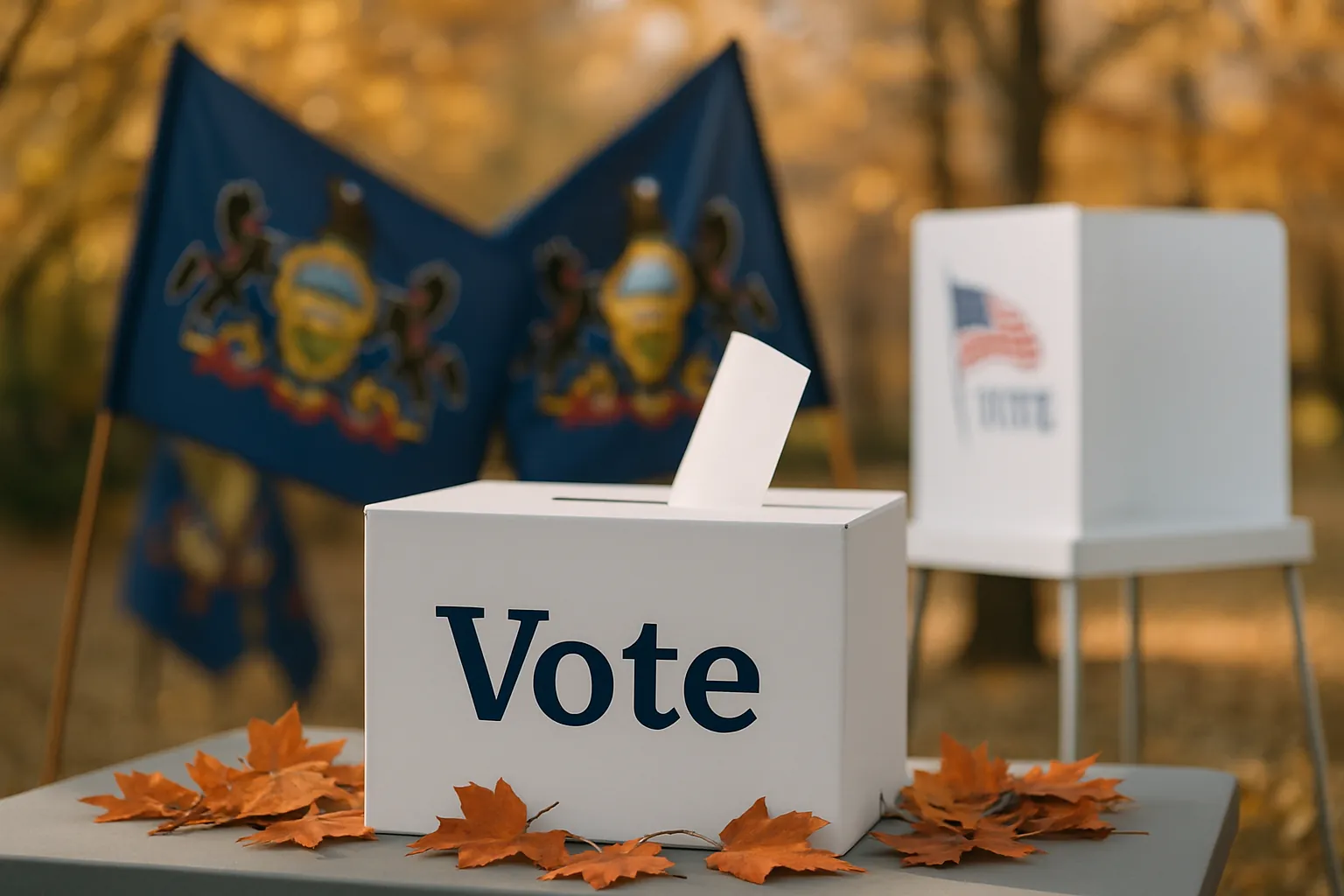
On November 4, Pennsylvania voters will face a ballot question that has little to do with new faces and everything to do with preserving fair and independent justice. Three state Supreme Court justices—Christine Donohue, Kevin Dougherty, and David Wecht—are up for retention, a decennial referendum that rarely garners public attention. This time, however, the stakes could not be higher. Beyond the routine ‘Yes’ or ‘No’ boxes, lies a fierce struggle over the ideological future of Pennsylvania’s most powerful court.
Republican activists, energized and organized, are working to convince voters to oust the justices, all elected as Democrats in 2015. With Scott Presler leading a paid team of nearly 30 organizers, the ‘No’ campaign seeks to swing the judiciary toward conservative control—an effort with potentially sweeping consequences. After years of bruising legal battles over mail voting, election certification, and redistricting, Pennsylvania’s Supreme Court stands as a bulwark against far-right efforts to roll back rights and muddy electoral waters.
Why all the attention now? The answer lies in recent history. The court’s central role in deciding the rules for the 2020 election drew national eyes, as did its stands on issues like ballot curing and district maps. “These are no longer sleepy retention elections,” observes University of Pennsylvania law professor Shanin Specter. “Every decision, every vote, becomes a referendum on the kind of Pennsylvania we want.”
According to a 2023 Gallup poll, trust in the U.S. Supreme Court is at an all-time low, while most Americans place greater faith in their state courts to safeguard everyday rights. The implication is clear—what happens in Harrisburg doesn’t stay in Harrisburg; it ripples outward, shaping the very nature of democracy in the Keystone State.
The Conservative Playbook: Rollbacks and Risks
At the heart of this battle is the right to direct access to justice. For years, Pennsylvania’s Supreme Court has been an oasis of common-sense protections—even when national winds have blown in the opposite direction. On issues from reproductive care to ballot access, the court’s Democratic majority has frequently checked legislative and executive overreach, defending the rights of voters and working people against both cynical power grabs and creeping discrimination.
Yet the notion that these justices act as mere partisans is undermined by their long records of ruling fairly across the aisle. The nonpartisan Pennsylvania Bar Association has endorsed all three justices for retention, noting their “measured, impartial application of the law.” According to the Association’s own evaluation panels, Donohue, Dougherty, and Wecht demonstrate a commitment to “equal justice without fear or favor,” hardly the resume of radical activists.
Still, Republican attacks persist, often rooted not in careful legal analysis, but in frustration with outcomes unfavorable to their party’s goals. The justices’ decisions to uphold mail-in voting, clarify ballot curing practices, and strike down unfair districts are painted as acts of war, rather than the constitutional work of judges sworn to serve the law and not ideology.
Abortion protections now hang particularly heavy in the balance. Planned Parenthood Votes and other advocacy organizations have sounded the alarm, warning that a shift to a conservative majority could open the door to new anti-abortion lawsuits or even bans, as seen in Texas and Ohio since the U.S. Supreme Court’s Dobbs decision. The court may soon be the only thing standing between Pennsylvanians and the kind of draconian, deeply unpopular measures passed elsewhere by conservative legislatures and judges. “We’ve seen what happens when courts turn political, and it’s always the vulnerable who pay the price,” argued a spokesperson for Planned Parenthood Votes Pennsylvania.
Beyond Washington: State Courts Are Democracy’s Last Line
A closer look reveals that Pennsylvania’s state judiciary often shapes lives more intimately than any federal court ever could. While the U.S. Supreme Court makes headlines, it is Harrisburg where decisions about ballot design, school funding, policing, and local rights routinely get made. Philip Johnson, an expert on state constitutional law at Temple University, calls state courts “the ceiling for civil rights”—the highest authority most citizens will ever encounter.
Why does this matter more in 2024 than ever? Pennsylvania’s Supreme Court is set to referee not just policy questions, but “the very process of democracy” in the lead-up to November’s presidential election. If the justices are removed, the highly polarized process of appointing interim replacements—where Governor Josh Shapiro will need Senate approval—opens the door to gridlock, backroom deals, or conservative selection of judges hostile to established rights. The judiciary’s legitimacy, already under attack from radical election deniers, could suffer irreparable harm.
“State courts decide whether your vote counts, whether your voice is heard, and whether health and freedom are protected. On November 4, voters decide if we keep the court that protects us—or gamble it away for partisan gain.”
Reproductive freedom, fair elections, and basic civil liberties are not ‘abstract issues’ dependent on arcane readings of federal law; they live and die by state courts. The last few years have shown us, often in heartbreaking detail, how fragile rights become when power is packed onto one side of the judicial scale.
Depoliticizing these elections may seem like a distant dream, but it starts with voters rejecting the siren song of partisan outrage. The retention system exists to reward judges for fidelity to the law, not party loyalty. Letting that standard slip sets a dangerous precedent: that our courts—and gut-deep freedoms—are just prizes to be won in the latest ideological contest.
A Call to Protect Democracy’s Foundations
You may ask: why does your single vote matter in an obscure retention election? History answers loudly. In 2015, a surge of turnout handed control of the state Supreme Court to progressives, leading to election reforms and stronger labor protections. Now, in an era where democracy is fragile and every safeguard counts, turnout could decide whether Pennsylvania’s courts continue to serve as a shield for the people, or a sword wielded by narrow political interests.
Advocates urge voters to focus on the evidence: three highly qualified, Bar-endorsed judges with a record of independence, facing a manufactured campaign of outrage. Defending the foundation of democracy means choosing justice, not politics, in the voting booth. On November 4, Pennsylvanians are not just casting a vote on judges; they are choosing what kind of state they want—one where rights are protected and justice is blind, or one where power dictates who wins and loses. The choice, as always, is ours.
