
The Collision Course: States Versus the Trump Administration
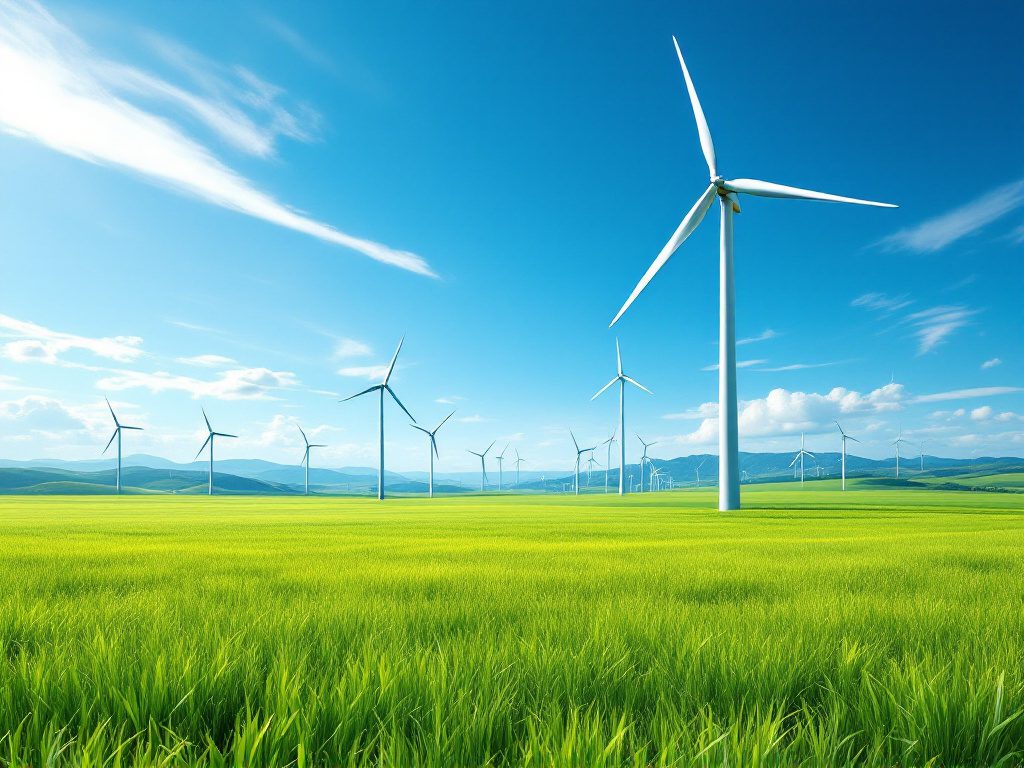
On the windswept shores off Long Island, a billion-dollar project poised to deliver clean energy to thousands now sits in limbo. The Empire Wind project—hailed as a cornerstone of New York’s ambitious 2040 emissions-free power grid plan—was abruptly halted following President Donald Trump’s sweeping executive order pausing all federal permits for wind energy projects. This dramatic move by the administration has sparked an equally forceful backlash: a coalition of 17 Democratic state attorneys general and Washington, D.C.—spearheaded by New York Attorney General Letitia James—has filed a federal lawsuit to block what they call an “unlawful and arbitrary” attack on clean energy.
Why are these states fighting so fiercely? The stakes aren’t just environmental, they’re economic and constitutional. The interior secretary’s threat to eliminate subsidies and the abrupt stop to already authorized ventures like Empire Wind have thrown thousands of jobs, billions in investments, and critical climate goals into uncertainty. According to attorney general James, “Pausing these vital projects risks our economic future and the health of our communities.”
The Trump administration’s justification—echoed by Interior Secretary Doug Burgum—is a familiar refrain in conservative energy policy: alleged threats to national security, navigational hazards, and a not-so-subtle swipe at the so-called “Green New Deal.” Yet, as Harvard environmental law professor Jody Freeman notes, “This blanket suspension goes well beyond prudent review and amounts to federal overreach that undermines both state authority and market certainty.”
Battling for a Clean-Energy Future: Jobs, Justice, and Climate on the Line
The consequences of Trump’s executive order are playing out in painfully immediate terms. Work on the Empire Wind project was ordered to a stop despite its compliance with rigorous federal rules and exhaustive public input. Norwegian developer Equinor faces potential losses reaching into the billions, and—according to the lawsuit—over 7,000 megawatts of wind projects across New York alone are now imperiled. For context, that’s enough power for millions of homes and a linchpin in the state’s climate commitments.
The chilling effect goes far beyond a single state. Democratic attorneys general from California, Massachusetts, Maryland, and others argue that the halt sets a dangerous precedent, creating economic uncertainty that drives investment—and good-paying union jobs—away from the United States. As Massachusetts AG Andrea Campbell puts it, “Abandoning wind development imperils the grid and our ability to provide reliable, clean electricity.”
Can we afford such regression? The International Energy Agency recently reported that every $1 million invested in renewables like wind generates at least seven full-time jobs—a number dwarfing that of fossil fuel sectors. The Trump administration’s portrayal of these projects as costly follies ignores the billions in private capital already committed and the tidal wave of opportunities for local economies, port cities, and skilled laborers.
Renewable energy, as emphasized by Princeton’s Rapid Energy Policy Observatory, is no longer an abstract aspiration or a partisan talking point. It’s a frontline economic growth engine and the key to climate resiliency, particularly for coastal and industrial states striving to reposition themselves in a shifting global energy market.
“By putting politics ahead of sound science and economic sense, the administration is not just stalling the wind industry—it’s undermining America’s future. States have every right, and indeed a duty, to defend their residents from this reckless policy.”
– New York Attorney General Letitia James
The Clash of Authority: Law, Precedent, and a Divided Nation
A closer look reveals the lawsuit is about more than turbines and transmission lines. At its core is a fundamental dispute about federalism and executive power. The Trump administration asserts that “legal deficiencies” in current leasing and permitting justify the freeze, instructing the Interior Department to revisit longstanding practices. Yet, legal scholars—and a considerable roster of state leaders—argue this rationale stretches presidential authority to the breaking point.
Historically, progress on American energy policy has followed a messy but ultimately bipartisan arc. During the Obama administration, offshore wind was championed as a way to create durable jobs and advance climate goals—an approach that found cautious support even among moderate Republicans concerned about coastal resilience and energy independence. Once in office, Trump’s aggressive rollback represented not just a policy difference, but a wholesale repudiation of the regulatory process itself.
Why does this matter? States are, and always have been, crucibles of innovation. From California’s auto emissions standards to New York’s aggressive climate legislation, it’s often our statehouses—rather than the Capitol—that move first on pressing issues of public well-being. Now, with projects like Empire Wind at risk, the litigation highlights a much larger battle for the soul of American energy—fossil-fueled nostalgia pitted against a low-carbon, tech-driven tomorrow.
The economic and environmental stakes are echoed by experts far beyond the courtroom. Claudia Bourguignon, Senior Fellow at the Council on Foreign Relations, points out, “These legal fights are about regulatory certainty. Companies and communities need to know that once an approval is granted and capital invested, a project won’t be upended by the political whims of the White House.” The uncertainty imposed by Trump’s order may not just chill wind development, but spook the crucial private investment flows required for U.S. competitiveness in the global energy race.
State Leadership Versus Washington’s Fossil Playbook
Beyond that, state leaders appear determined not to cede the future to what they view as fossil fuel special interests. The contrast couldn’t be more striking: while the Trump administration touts “energy dominance” rooted in oil and gas, states from Massachusetts to New Mexico are betting big on wind and solar as the backbone of a reliable, affordable, and resilient power grid.
Public sentiment is turning as well. A recent Pew Research Center survey found that two-thirds of Americans now support expanding wind and solar energy, far outstripping support for fossil fuels. The lawsuit thus resonates with a broad swath of the public who view clean energy not merely as virtuous, but as essential for prosperity and security.
As the legal battle unfolds in Boston federal court, the outcome will signal far more than a verdict on wind turbines. It’s a referendum on whether the United States will lead or lag in the 21st-century energy economy. The coalition of attorneys general is betting the courts will stand with progress, state sovereignty, and the promise of a greener tomorrow.
