
Weathering the Aftermath: Kentucky’s Communities Face the Storm
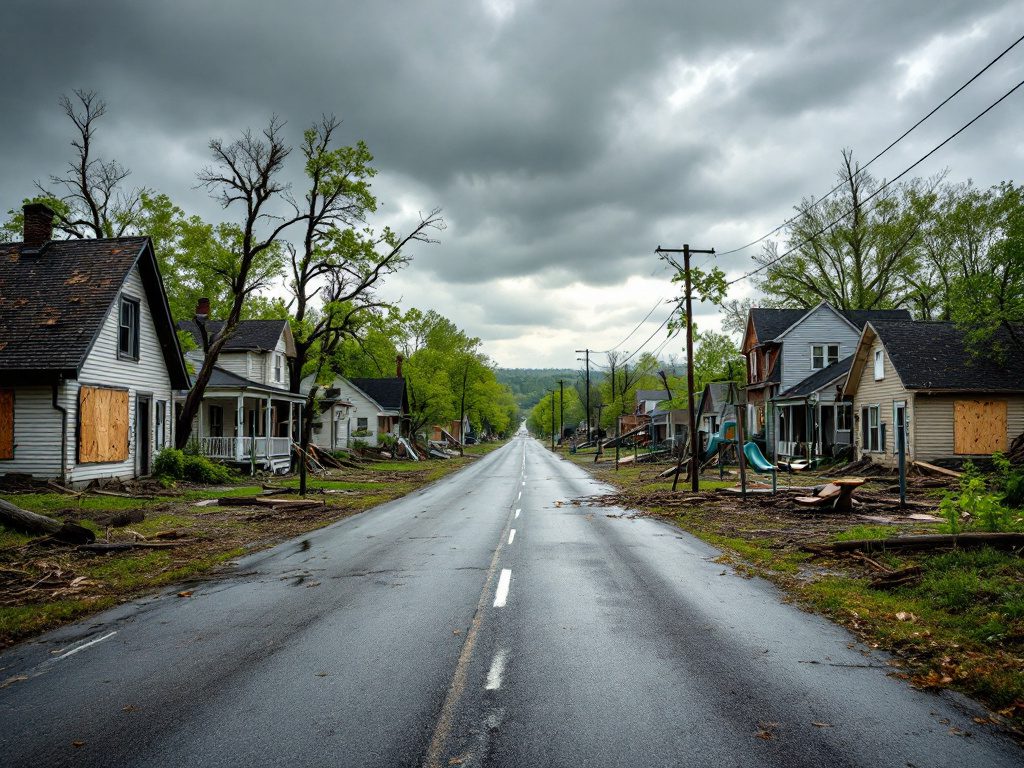
When the skies blackened over western Kentucky this past April, residents braced for what would soon become a catastrophic event. Few imagined the unrelenting force of the storms: tornadoes, straight-line winds, flooding, landslides, and mudslides swept through 13 counties, turning bustling towns into landscapes reminiscent of disaster zone documentaries. Families in McCracken, Hopkins, and other hard-hit areas awoke to lost jobs, ruined homes, and a lingering uncertainty about their future. For those residents, hope now comes in the form of Disaster Unemployment Assistance (DUA), a federally-backed program designed to soften the financial blow when weather turns from friend to foe.
DUA’s history stretches back to the aftermath of Hurricane Camille in 1969, when lawmakers saw that ordinary unemployment insurance wasn’t enough for communities in the throes of environmental catastrophe. Decades later, that insight remains soberingly relevant. In political moments like these, government is measured not by its rhetoric, but by its resolve—and for Kentucky, the recent federal disaster declaration and the opening of DUA applications marks a critical test of both compassion and effectiveness.
According to Governor Andy Beshear, individuals as well as self-employed workers and farmers are now eligible for assistance, as long as they lost work directly due to the storm. The relief offers up to 29 weeks of benefits, meeting basic needs for those whose lives and livelihoods were swept away. Applications will be accepted until June 23, 2025, a narrow window for folks trying to reconstruct more than just physical structures. Claimants must submit a photo ID, proof of address, and tax documents within 21 days—a logistical hurdle, but a necessary one given the risk of fraud and misuse that’s plagued past assistance programs.
Unpacking Eligibility: More Than Just a Safety Net
A closer look at DUA reveals a reality often lost in the dry language of bureaucratic press releases: programs like this are sometimes the only thread keeping vulnerable Kentuckians from financial freefall. Beyond those who lost traditional jobs, DUA extends a lifeline to people who became heads of household after a breadwinner died as a result of the storm. Its reach includes the self-employed, gig workers, and those whose workplaces are now inaccessible due to floodwaters or structural collapse—precisely the groups that slip through the cracks of standard unemployment insurance.
The logic here is not just moral; it’s economic. “Failing to support disaster-stricken workers ripples out, deepening poverty and stalling community recovery,” emphasizes University of Kentucky economist Laura Harper. Harper notes that every dollar spent on post-disaster aid circulates back into the local economy—helping not only individuals, but also the businesses that remain. Local governments, already strained by repair bills and declining tax bases, need residents with income to sustain basic commerce.
DUA is funded by FEMA, a detail that’s more than bureaucratic trivia. This structure ensures employers aren’t penalized with higher unemployment taxes, reducing opposition from small businesses already facing their own post-storm crises. Self-employed Kentuckians, whose tax returns often paint a far rosier picture than the cash realities of their businesses, are urged to apply—and advocates stress the importance of outreach so that no eligible worker is left behind simply because of red tape or confusion.
“When the only thing standing between our towns and economic oblivion is the willingness to take care of each other, disaster aid isn’t charity—it’s an investment in civic survival.”
Bureaucratic Hurdles and Conservative Pushback
Some might wonder why applying for government aid seems designed to be so arduous. Conservative critics argue that streamlined programs risk fraud or “dependency.” That rhetoric, however, fails to capture the true stakes in disaster scenarios. People aren’t quitting jobs for a handout—they’re watching their jobs disappear overnight under a torrent of floodwater or a collapsed roof.
Republican-led resistance to robust disaster support has a long and painful history. During the aftermath of Hurricane Katrina, delayed and insufficient aid drew nationwide outrage and revealed the stark limitations of a “smaller government” ethos in the face of tragedy. Kentucky’s approach—the proactive urgency of opening DUA for counties still being assessed—demonstrates a more rational, humane philosophy. Governor Beshear continues to request the addition of other counties as damage assessments roll in, a marked contrast to the “wait and see” paralysis that has hampered past recovery efforts in red states.
Henry Olsen, a fellow at the Ethics & Public Policy Center, acknowledges that localized disasters, “require flexibility and partnership between federal and state leaders.” Kentucky now offers a model many states would do well to emulate: targeted aid, swift action, thorough documentation, and a pledge to review expanded needs as more data arrives.
The Real Cost of Not Acting
The brutal legacy of delayed or inadequate assistance is well-documented. According to a 2020 analysis by the National Low Income Housing Coalition, communities that failed to secure early, inclusive aid after disasters often struggle for years with elevated poverty, outmigration, and declining public health. For rural Kentucky, where economic opportunity already lags the national average, this moment is crucial.
For applicants, time matters. The deadline of June 23, 2025 may coincide with recovery for some, but for many, bureaucratic barriers could mean missing out on critical relief. Community leaders and local nonprofits are already mobilizing to ensure the word gets out and no eligible resident is left behind. For progressive policymakers, the lesson is clear: Societal resilience is built not only with bricks and mortar, but with the courage to demand government do what only it can do—lend strength when individual means fall short.
DUA may be a stopgap, not a solution—but for thousands of Kentuckians, it’s the bridge between disaster and dignity. As Kentucky recovers, Americans would do well to remember that a robust, compassionate response to crisis is not just good policy—it’s the core of a just society.
