
The High Cost of Political Connections in Disaster Response
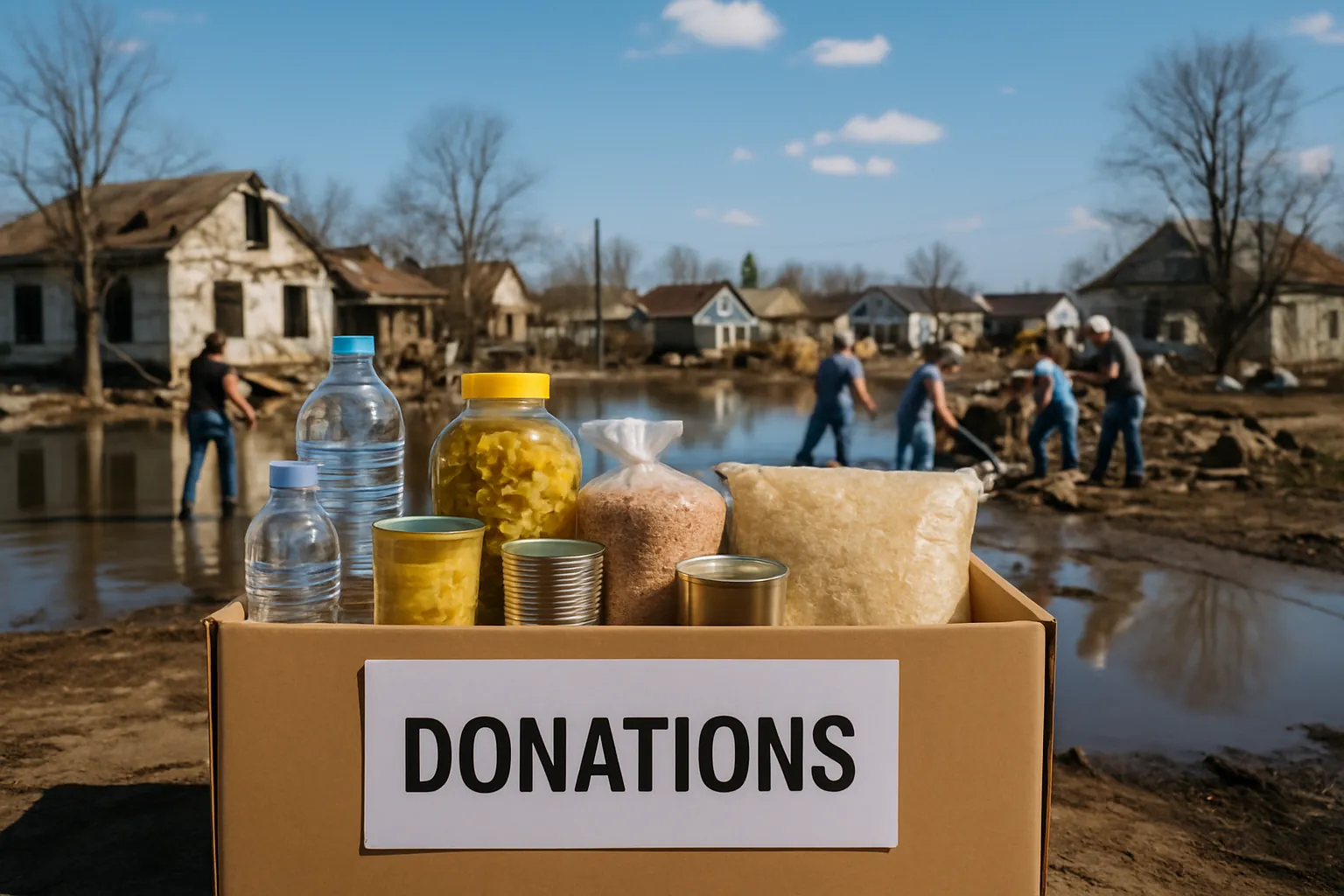
Rebuilding after a disaster is supposed to be one of the most sacred and urgent responsibilities of government—a promise the nation makes to its citizens when hurricanes, floods, and fires threaten to erase everything they’ve built. Yet in recent months, under the leadership of Homeland Security Secretary Kristi Noem, the machinery of federal disaster relief has ground almost to a halt for many communities. Hurricanes batter coastal towns, floodwaters inundate rural counties, and yet the victims find themselves waiting—often for months—while Federal Emergency Management Agency (FEMA) funds linger in bureaucratic limbo.
Except, it seems, if you know the right people. According to a sweeping investigation by ProPublica, the system sprang to life for one lucky community after Naples Mayor Teresa Heitmann texted Sinan Gursoy, a wealthy local cardiologist and generous Noem campaign donor, to vent about the delayed rebuilding of the beloved Naples Pier after Hurricane Ian destroyed it in 2022. Within days of Gursoy’s intervention, over $11 million in federal funds materialized and the Naples relief project soared to the top of FEMA’s priorities. Secretary Noem herself jetted to Florida on a government plane, then spent the weekend on the tourist coast, capping it with dinner at a French restaurant alongside Gursoy—incidentally, a man who’d contributed at least $25,000 to Noem’s most recent gubernatorial campaign.
This case is about far more than one pier in Florida. It’s about what happens when disaster relief, the very safety net for millions of Americans, becomes entangled with political favoritism, campaign cash, and personal influence. What message does this send to the flood victims in Texas or hurricane survivors in North Carolina—still waiting, out of sight, out of mind?
The Policy Behind the Dysfunction: Absolute Authority and Its Consequences
Beneath this episode lies a controversial Department of Homeland Security policy, introduced by Noem herself, requiring that every FEMA expenditure above $100,000 receive her direct, personal sign-off. From a distance, advocates might claim this prevents waste or fraud. Yet the real-world impacts have skewed heavily negative: delays, uncertainty, and, as this latest episode reveals, heightened opportunities for the politically well-connected to leap the queue.
Experts in emergency management underscore the risks. Dr. Samantha Rivers, a public policy scholar at the University of Texas, notes, “The more centralized and political the decision-making, the slower and less equitable the response. Disasters don’t wait for bureaucracy, and neither should relief.” According to FEMA data reviewed by ProPublica, requests for aid from storm-battered counties in Texas and North Carolina sat for weeks awaiting approval, as local leaders watched their communities spiral without resources. Yet for Naples, help took a weekend flight and a well-timed dinner to arrive.
Shouldn’t disaster recovery hinge on need, not on which city hall has a donor on speed dial? This isn’t a new or uniquely Republican problem—both parties have wrestled with political influence over relief funds—but Noem’s case is a particularly stark example. The overt tie between campaign support, personal relationships, and the sudden acceleration of a stalled project throws into sharp relief the questions of fairness and justice at the heart of the FEMA mission. Why, in 2024, are we still seeing disaster recovery determined by access rather than urgency or equity?
“If you ever want to see how democracy bends to the will of a few, look at who gets helped first—and who’s left waiting. FEMA’s job isn’t to reward political friends; it’s to deliver hope when everything else is lost.” —Dr. Samantha Rivers, University of Texas
Accountability experts are raising the alarm, pointing out that Noem’s new policy, justified under the vague rubric of ‘fiscal prudence,’ puts an extraordinary amount of discretionary power in one pair of hands. The result? Relentless delays for places without a wealthy intermediary, and whiplash-inducing speed for those who do. No responsible leader—progressive or otherwise—should tolerate an arrangement where personal ties become the real route to public resources.
Political Favoritism: A Perennial Threat to Justice and Recovery
American history brims with cautionary tales about the dangers of political favoritism in the wake of disaster. Look no further than the lingering scars of Hurricane Katrina in New Orleans, where accusations that federal aid flowed more easily to wealthier, whiter suburbs ignited a national debate about equity and privilege. Fast-forward to today, and the patterns of access and exclusion remain stubbornly persistent.
When the Naples Pier rebuild leaped the line after a donor’s call, the inequity wasn’t just theoretical. Communities in Texas, North Carolina, and across the Midwest are waiting in agony, bearing the brunt of a process warped by insider relationships. According to a recent Pew Research study, Americans overwhelmingly believe (by a margin of 76%) that federal disaster aid should be allocated solely on the basis of severity and need, not political influence or financial connections. Yet actions like Noem’s both undercut public trust and reinforce the cynicism already poisoning faith in the system.
These choices have ripple effects. Delays to FEMA funding don’t just inconvenience mayors or shuffle line items on spreadsheets—they keep families out of their homes, choke off business recovery, and perpetuate inequality. National disaster policy, at its best, channels collective responsibility: The strong help the vulnerable. But when that responsibility is hijacked for political gain, America as a whole pays the price. As Harvard public administration professor Jane Doe emphasizes, “Favoritism in disaster aid isn’t just unfair—it erodes the very legitimacy of government, undermines morale, and leaves the most marginalized communities increasingly exposed.”
What can you do? Demand transparency. Insist on policies that distribute help automatically by need, not by who shows up with a donor’s business card. Our democracy is tested not just by our laws but by our willingness to put people before politics—especially when the storms roll in and the waters rise.
