
When Consumer Power Meets Corporate Retreat
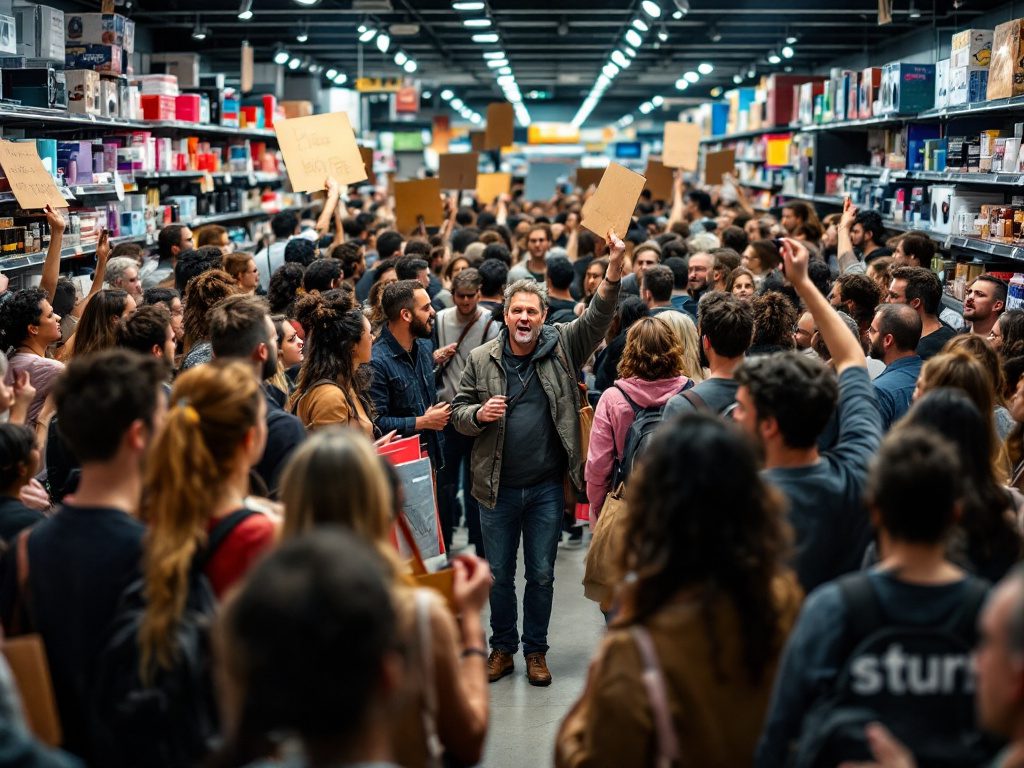
You likely noticed quieter aisles and slower checkouts at big box stores over Easter weekend—a direct result of a three-day nationwide economic blackout that replaced spring’s customary retail euphoria with something far more profound: resistance. For millions, Good Friday wasn’t just another holiday; it marked the launch of “Economic Blackout 2.0,” an organized, surgical protest against America’s largest retailers and their ongoing rollback of Diversity, Equity, and Inclusion (DEI) programs.
Led by The People’s Union USA and supported by voices as prominent as Rev. Wendell Anthony of Detroit’s NAACP branch, the blackout called on consumers to shun household names—Walmart, Amazon, Target, Starbucks, and dozens more. Instead, the appeal was simple: bolster local, independently owned businesses, and those rare larger chains maintaining a true commitment to DEI principles.
Over the last several years, conservative policy pressure and targeted boycotts have forced corporate America’s hand, with high-profile campaigns like “go woke, go broke” pressuring brands to jettison DEI initiatives. The result? Emboldened CEOs slashing equity and inclusion efforts, justified by economic headwinds and the specter of backlash.
Direct action is not new to American progressivism. Yet what sets this strategic boycott apart is its surgical focus. According to John Schwarz of The People’s Union, the strategy isn’t just to send a feel-good message but to “remind corporations that we don’t need them—they need us.” By urging Americans to refrain from not only shopping but all forms of discretionary spending (including groceries, takeout, streaming, gas, and fast food) at major chains, the blackout tests just how much sway everyday consumers still possess.
How Did We Get Here? The Battle Lines Over DEI
DEI—once a boardroom buzzword and a minimum requirement for any Fortune 500 firm wishing to woo top talent or gen-Z consumers—has become political shorthand for what divides red and blue America. As President Trump’s administration slashed federal DEI mandates and activist investors pulled funding for inclusionary training, major brands soon followed suit. Their justifications? Everything from “culture wars” to claims of financial caution.
Rev. Wendell Anthony, clarifying the NAACP’s stance, put it succinctly: “We support individuals’ right to choose where to shop and hope companies will see the futility of excluding DEI and do the right thing.” In other words, the fight isn’t about punishing corporations blindly, but about persuading them that eliminating DEI doesn’t just hurt underrepresented workers, it undermines the collective fabric of American society.
Corporate America’s retreat from DEI is part of a much broader trend. Citing a 2024 McKinsey & Company analysis, major U.S. companies reduced DEI spending by over 15% from 2022 to 2023 alone. The impact is real: fewer resources for ERGs (employee resource groups), the quiet axing of inclusive hiring goals, and the disappearance of mentorship programs for women and minorities. Even in progressive strongholds—like Silicon Valley and New York—companies have hedged their public commitments, frightened by threats of shareholder lawsuit and right-wing social media pile-ons.
Notably, history offers lessons. Fifty years ago, the Montgomery bus boycott shook the foundations of American transit and forced change. Today’s activists hope for similar echoes, even if the tools—and targets—have changed.
The Efficacy—and Challenges—of Economic Blackouts
Do they work? Critics on the right dismiss such organized boycotts as “virtue signaling,” while even some left-leaning economists express skepticism. “Sustained consumer-driven pressure can move the needle, but long-term impact depends on scale and discipline,” says Harvard sociologist Dr. Ayanna Thomas. Early analytics paint a complicated picture. Data from Similarweb noted a 6% drop in traffic at the top 100 e-commerce sites during blackout periods, but financial reports from Walmart and Target in Q1 of 2024 showed flat or even slightly increased sales compared to the previous year.
A closer look reveals that not all retailers are tarred with the same brush. Brands like Costco, Aldi, and Trader Joe’s—recognized for better labor practices and adherence to DEI—haven’t felt the same sting. While no official endorsements have been given, consumer sentiment online skews positive for these companies, reinforcing the notion that shoppers are looking for ethical alternatives, not just abstaining mindlessly.
“We have to show these corporations that our dollars have power. If we don’t, they’ll continue to believe DEI is expendable—and that’s not the future we want.” —Richard Mack, Civil Rights Attorney
The economic blackout’s organizers readily acknowledge the limitations. Most Americans, pressed by daily obligations, can’t or won’t boycott in perpetuity. “We never expected to bankrupt Walmart in three days,” said Schwarz. “But if these actions lead to even a temporary drop in traffic, they serve as a warning shot across the bow of corporate America.”
Beyond that, the campaign’s greatest achievement may lie in reframing the debate. Progressive values—equality, social justice, and collective responsibility—are being reasserted not just on picket signs or in courtrooms, but in everyday purchases.
If history is any guide, repeated, focused activism can yield change. While data on this current blackout’s financial impact remains ambiguous, its societal message is impossible to miss. It asks a country battered by division: what kind of marketplace—and what kind of democracy—do we wish to build?
