
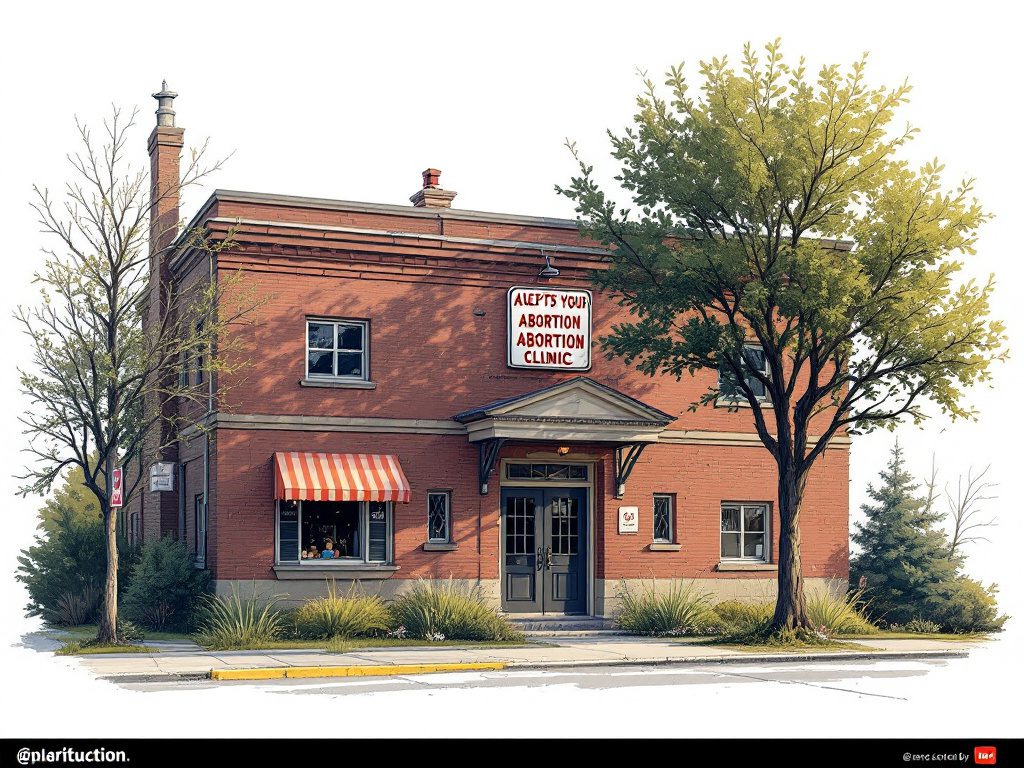
Closing the Doors: A Fifty-Year Legacy in Reproductive Health
For half a century, the Boulder Abortion Clinic stood as one of the few beacons of comprehensive reproductive care in America, especially for women confronting extraordinarily complex or perilous pregnancies. That era has now ended. Dr. Warren Hern, the clinic’s founder and a stalwart advocate for reproductive justice, recently announced his retirement and the clinic’s closure. This marks not merely the end of a medical establishment, but the silencing of a vital refuge for patients traveling from states where abortion is deeply restricted or outright banned.
The clinic’s closure comes at a fraught and polarized moment for reproductive rights in America. As 2024 unfolds, national headlines dictate a new reality: anti-abortion laws are proliferating, leaving many desperate women with neither time nor safe options. The Boulder clinic had become a last recourse for those facing catastrophic fetal diagnoses or life-threatening maternal health crises—cases that nearly always fell outside the simplistic talking points of political debate.
Beyond that, the building itself bore witness to the struggle. In 1988, after a gunman fired into the facility, staff installed bullet-resistant windows—a chilling reminder that threats of violence were not hypothetical, but daily risks for those committed to women’s autonomy. According to a New York Times report, Dr. Hern’s staff endured decades of both protest and admiration: “Some see us as heroes, others as villains,” said one longtime nurse.
Complex Cases, Compassionate Care: Inside the Clinic’s Work
What set Boulder Abortion Clinic apart was more than its longevity: it was one of only a handful of places nationwide where women could seek third-trimester abortion care. Dr. Hern developed rigorous medical protocols—including an injection to end fetal cardiac activity prior to labor induction—to meet ethical and legal standards for later-term procedures. Patients who arrived at the Boulder clinic often did so as a result of devastating news: fatal fetal anomalies, cancer diagnoses during pregnancy, or profound threats to their health.
Why would anyone make such a painful journey? Because their stories defy the stereotypes pushed by anti-abortion zealots. The Guttmacher Institute reports that fewer than 1% of abortions occur after 21 weeks, typically because of wrenching, tragic circumstances. These are not frivolous choices, but desperate decisions, made with medical guidance and immense personal strength.
Efforts to continue the clinic’s mission fell short when Dr. Benedict Mills, whom Dr. Hern sought as his successor, was unable to assume the role. Without a willing provider, options evaporated for women who had once counted on Boulder as a safety net. As access shrinks, the human cost rises—affecting real lives, sometimes with fatal consequences.
“Every patient who walked through our doors faced harrowing circumstances. They were met with compassion, and our job was never to judge, but to care,”—a former Boulder Abortion Clinic nurse shared in an oral history project archived at the University of Colorado.
The closure underlines a wider shift: as more states ban or severely restrict abortion, patients—increasingly, even in states like Colorado—are forced to travel further, spend more, and face greater delays for medically necessary care. According to the Colorado Health Institute, out-of-state abortion seekers doubled in Colorado following the Supreme Court’s Dobbs decision. Whether these women will now find care is a pressing question.
Cultural Crossroads: What the Closure Means for America
What does Boulder’s closure signify beyond one city or state? For progressives, it signals another step backward—an acknowledgment that personal autonomy is under siege. The jubilance among anti-abortion activists stands in sharp relief to the human stories lost in the din of political theater. Limiting abortion access doesn’t end complex pregnancies or tragedies—it just orphanates patients from help, sometimes putting their very lives at risk. Harvard Law professor Mary Ziegler notes that “clinics like Boulder fill a role mainstream medicine has largely abandoned—handling the rare, heartbreaking situations that make headlines only when they result in disaster.”
It’s no accident that Dr. Hern’s announcement included deep gratitude for his staff’s resolve in the face of harassment, bomb threats, and the constant specter of violence. The American College of Obstetricians and Gynecologists has long documented the chilling effect such hostility has had on providers nationwide: fewer doctors are willing or able to offer even basic abortion care, let alone the specialized services Boulder provided. Is it any wonder that young OB-GYNs reconsider their career plans, or that patients delay seeking care until options have vanished?
Colorado voters, notably, stood firm in 2020 against a proposed 22-week abortion ban—rejecting the measure by a commanding 59%. This underscores the paradox at the heart of the abortion wars: though a vocal minority fights to eliminate access, a broad democratic consensus values reproductive choice and medical privacy. When courts and legislatures ignore this, patients and providers pay the price.
Public health experts caution that “abortion deserts” are linked to poorer maternal outcomes and deeper socioeconomic divides. When clinics like Boulder close, it’s not just a blow to political ideals, but to real people—the kind of patient-centered care that ought to define American health care. The story of Boulder’s clinic is far from unique; it’s the latest chapter in a national story that deserves not resignation, but renewed advocacy for safe, legal, and compassionate care for all.
