
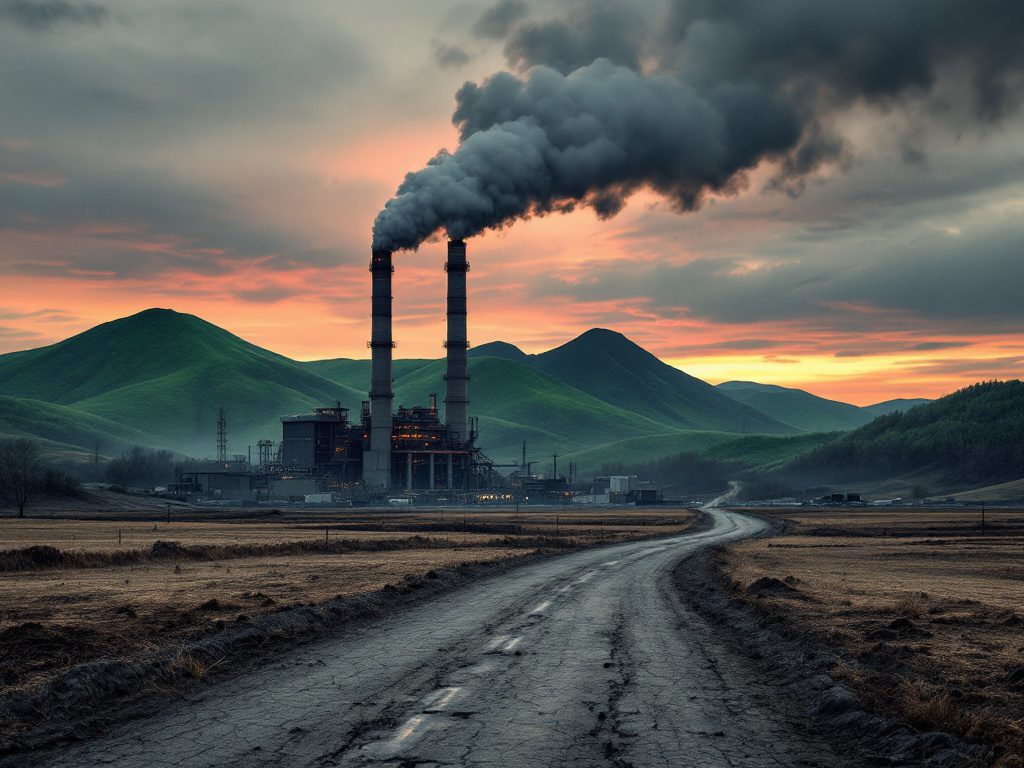
A Sudden Reversal: Ex-Im Bank’s Coal Comeback
It happened with little warning: the U.S. Export-Import Bank, once a cautious financier when it came to fossil fuels, voted unanimously to lift its 12-year ban on lending to foreign coal projects. This decision, quietly reached behind closed doors, reverberates far beyond Ex-Im’s Washington walls. At stake is not just an obscure matter of export finance, but the United States’ standing—and credibility—in the global fight against climate change.
What prompted this about-face? Less than a month ago, a White House executive order—one in a suite of deregulatory moves from the Trump administration—directed federal agencies to eliminate policies seen as obstacles to coal mining and power generation. The Ex-Im Bank swiftly fell in line, greenlighting a policy shift that environmentalists say dismantles years of hard-fought progress. Suddenly, the U.S. has reopened its checkbook to overseas coal developers, ending a restriction first enacted in 2013 at the behest of activists such as Friends of the Earth.
Beyond that, the bank’s reversal is more than a bureaucratic adjustment. It’s an unmistakable signal of an administration intent on propping up the coal industry—not just at home, but on the international stage. The timing is no accident: global coal demand has flatlined, and renewables now outpace fossil fuels in cost and scalability. Yet, here is a U.S. institution, freshly empowered, inviting the world’s coal developers back to its table.
Rolling Back Climate Progress: Expert Warnings and Policy Pitfalls
Critics haven’t minced words. Jake Schmidt, senior strategic director at the Natural Resources Defense Council, calls the Ex-Im vote a dismaying turning back of the clock: “It takes Ex-Im’s policies back two decades, when it was one of the largest financiers of overseas coal projects in the world.” His alarm is far from isolated.
For years, advocacy groups, scientists, and a growing body of international climate agreements have warned that public financing of coal projects is not only environmentally irresponsible—it’s actively harmful. According to a 2023 report from the International Energy Agency, coal-fired electricity generation remains the largest single source of global CO2 emissions, comprising about 40% of the total. Every new coal power plant built with American dollars, critics say, locks in decades of pollution, endangering communities abroad and undermining the very climate commitments the U.S. has pledged to uphold.
Environmental justice advocates point to a long and painful legacy: American-backed coal projects have often targeted developing nations, exporting pollution where regulatory scrutiny is weak and vulnerable communities pay the price. Health impacts, lost livelihoods, and degraded air and water—these aren’t hypothetical externalities, but the lived reality for millions in Southeast Asia and Africa. As the Union of Concerned Scientists has noted, for every coal plant the Ex-Im Bank helps finance, the United States adds to a global tally of asthma cases, respiratory illnesses, and climate-induced migration.
What’s more, Ex-Im’s about-face comes after over a decade without any new coal project financings—a tacit recognition by previous leadership of coal’s economic and moral downsides. Under President Biden, Ex-Im sought to weigh climate risks in every investment decision. Now, that strategic, forward-thinking calculus is gone, replaced with a cruder logic known to Trump-era policymaking: short-term exports, whatever the environmental cost.
“This isn’t just a regulatory rollback; it’s a retreat from global leadership. When America subsidizes coal plants abroad, we export environmental harm, erode trust, and send a cynical signal: profit trumps planet.”
The Global Consequences—and the Battle Ahead
A closer look reveals the fallout extends well beyond diplomatic embarrassment. By becoming once again a major coal financier, the U.S. runs counter to the direction of its allies—from the European Investment Bank to Japan’s own export lender—all of whom have dramatically curtailed their support for coal. The message from Washington? That the science of climate change, the lived experience of pollution, and even basic financial prudence count for less than a president’s nostalgia for coal country.
Progressive circles rightly view this moment as a call to regroup and resist. Congressional champions for the environment have begun exploring legislative options to re-impose constraints on fossil fuel lending. Internationally, climate diplomats are scrambling to reassure partners at U.N. climate summits: U.S. leadership might be fickle, but the American people, science, and civil society remain firmly pro-climate. After all, the clock is ticking—global temperature rise waits for no administration, and the Intergovernmental Panel on Climate Change warns that every ton of new coal emissions narrows our window for action.
Polling provides a clear mandate. According to a recent Pew Research Center study, a majority of Americans view protecting the environment and tackling climate change as top priorities—even in regions hardest hit by coal’s decline. You might fairly ask: Whose interests does this Ex-Im reversal truly serve? For global citizens—present and future, workers and families—rolling back protections isn’t just shortsighted. It’s a betrayal.
Will history remember this reversal as a fleeting aberration, or the spark for renewed activism? The answer lies in how vigorously progressives press for accountability, innovation, and a recalibration of America’s moral compass. The fight isn’t over. The climate, after all, doesn’t negotiate.
