
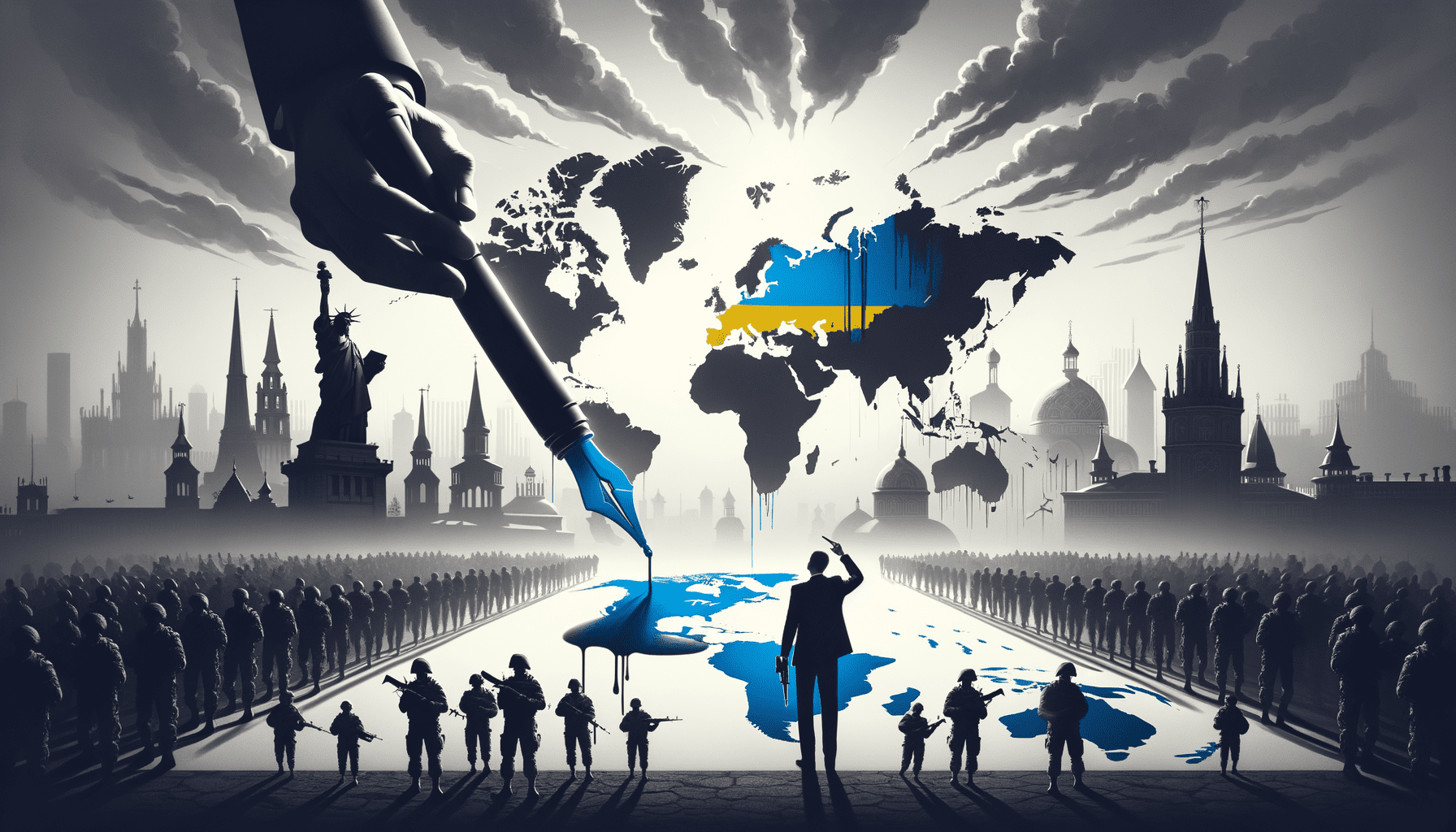
In a significant strategic move, Ukrainian President Volodymyr Zelenskyy recently signed a key law enabling the deployment of Ukraine’s Armed Forces to other nations during periods of martial law. Far from an ordinary legislative adjustment, this decisive action paves the way for substantial international cooperation aimed at fortifying Ukraine’s defenses and strengthening alliances crucial for national and European security.
Bolstering Legal Foundations and International Support
The new legislation provides a robust legal foundation for stationing Ukrainian soldiers abroad during martial law—a necessity underscored by MP Iryna Friz: “Now, this issue has received the necessary legal foundation, ensuring that all our military personnel will be stationed there on fully legitimate grounds.” It’s more than just a technical change; it embodies Ukraine’s strategic shift toward enhanced international collaboration meant to deter external aggression, notably from Russia.
For decades, Ukraine’s geopolitical position made it vulnerable to external pressures, primarily from Russia, whose aggressive stance culminated in the catastrophic invasion in 2022. Zelenskyy’s initiative directly addresses these historical vulnerabilities by enabling Ukraine to legally assemble international coalitions vital for national defense and ensuring swift, coordinated responses to potential future threats. This pragmatic act reveals a deeper understanding of how collaborative defense strategies are indispensable for Ukraine’s long-term security and territorial integrity.
Structured Oversight and Democratic Accountability
Under the newly established framework, deploying troops abroad involves a meticulously structured process, prioritizing democratic oversight and transparency. Decisions about troop deployments must first be approved by Zelenskyy, followed by submission to and ratification by the Verkhovna Rada (Ukraine’s parliament). Clearly outlined requests will specify mission objectives, troop数 numbers, conditions of stay, and specifics about the defense equipment and arms involved.
Lawmakers stress the importance of these oversight provisions, recognizing that transparency is crucial for public trust. Oleksii Honcharenko, a leading Ukrainian lawmaker, emphasizes the purpose behind this structured approval process: “This will allow us to attract international support to strengthen Ukraine’s defense faster and more effectively.” Such measures underscore Ukraine’s commitment not only to its international partners but also to maintaining robust domestic democratic processes.
Crucially, this comprehensive approach explicitly excludes deployments intended for combat operations within Russian territory. Instead, it concentrates expressly on defensive maneuvers, international military training, and humanitarian missions aimed at safeguarding Ukraine’s territorial sovereignty and ensuring the broader regional stability.
An International Alliance for Ukraine’s Future Security
While details of troop deployment procedures stand central, the broader strategic vision behind this law involves forging an extensive international security alliance, akin to NATO’s collaborative defensiveness. Ukrainian leadership is actively negotiating the establishment of this new international force with potential allies. Military officials from over 34 nations have convened to discuss strategies relating to peace, security guarantees, and the creation of international defense coalitions for Ukraine’s well-being.
“The establishment of an international force not only complements our national defense but also symbolically represents global resistance to aggression,” remarked one advisor involved in these critical discussions.
Indeed, precedent supports Zelenskyy’s initiative. History offers multiple successful examples of international defense cooperation—from NATO forces deployed in multinational peacekeeping roles to joint military exercises ensuring preparedness and discouraging aggression. Ukraine’s strengthening relationships with international partners through strategic military alliances echo these historical successes and hold significant promise for promoting lasting security.
These moves deeply resonate with progressive values of collective defense, international solidarity, and proactive diplomacy. They assert Ukraine’s autonomy and sovereignty through collaborative international cooperation—a critical dimension for a nation historically caught between competing blocs.
Ultimately, Zelenskyy’s legislation symbolizes more than a tactical shift; it represents Ukraine’s aspirational and pragmatic reorientation toward enduring alliances and shared international commitments. The move towards structured deployment of Ukrainian forces abroad under martial law is a vital cog in a broader diplomatic and strategic realignment process necessary to assure Ukraine’s long-term security and stability amidst ongoing threats.
