
Imagine fleeing your home country, leaving behind everything you know, and building a new life in the United States, only to wake up one morning and discover the rules have suddenly changed, your legal status revoked overnight. This was the distressing prospect facing more than half a million immigrants from Cuba, Haiti, Nicaragua, and Venezuela under the Trump administration’s latest immigration policy move. However, a federal judge in Boston has intervened, temporarily halting this alarming attempt to dismantle established protections.
The Human Cost of Ending Humanitarian Parole Protection
Since its inception under the Biden administration in 2022, the Cuban, Haitian, Nicaraguan, and Venezuelan (CHNV) humanitarian parole program has offered stability and safety to individuals fleeing political persecution, severe economic downturns, and environmental devastation. Designed specifically to alleviate pressure on the U.S.-Mexico border, the program allowed applicants from these nations to enter the United States legally and avoid perilous journeys through treacherous terrains in search of refuge.
However, President Trump, consistent with his restrictive immigration agenda, directed the Department of Homeland Security (DHS) to terminate the CHNV program. In a contentious move, DHS declared its intent to cancel parole protections for approximately 532,000 individuals, labeling the program as no longer “serving public interest.” If allowed to proceed, more than half a million people could face immediate deportation beginning April 24, ripped away from workplaces, schools, and communities where they had established roots and sought safety.
This effort to revoke humanitarian protections did not go unchallenged—advocates, non-profit organizations, and immigrants unified in expressing profound concerns. Critics framed the administration’s maneuver as profoundly unjust, warning clearly and urgently that terminating these protections could cause imminent irreparable harm to vulnerable immigrant populations who adhered to every lawful expectation placed upon them. According to immigration attorney Nohelia Ramos, such widespread deportations would disrupt lives irreversibly, causing multi-generational trauma.
Legal Action and Judicial Resistance
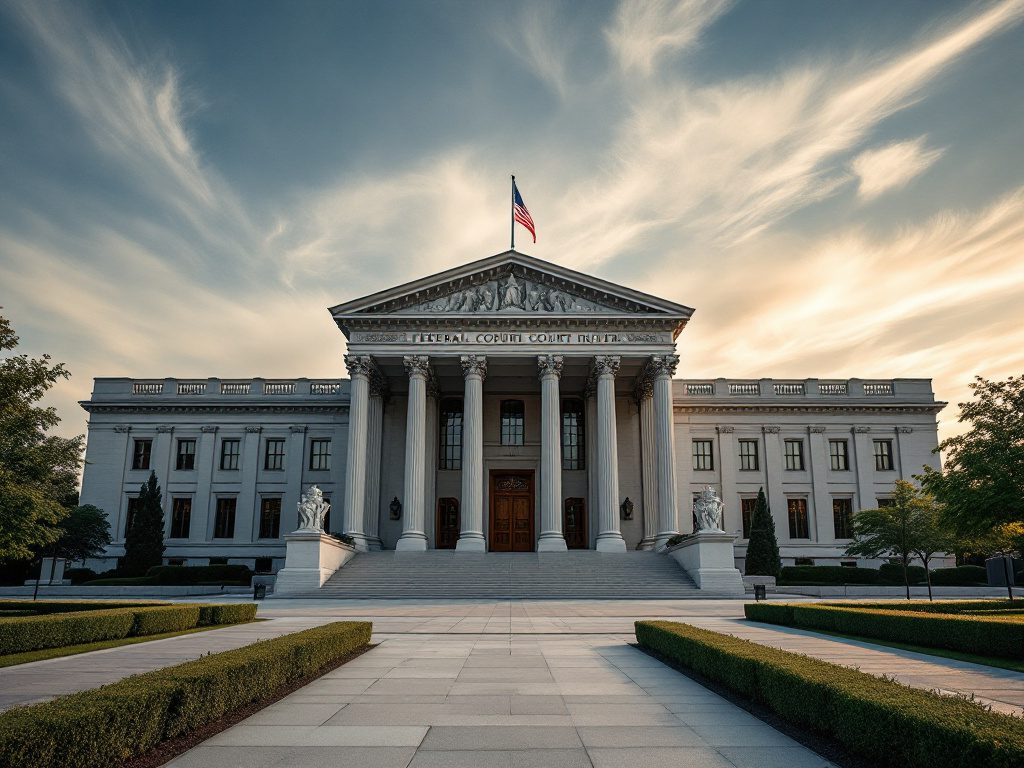
Responding swiftly, a coalition of immigrants, American citizens, and advocacy groups filed a joint lawsuit against the Trump administration’s abrupt decision, asserting it was illegal, arbitrary, and harmful. U.S. District Court Judge Indira Talwani, overseeing the lawsuit, expressed powerful remarks during a Boston hearing indicative of her stance. “What is being prioritized are not people who cross the border illegally, but those who followed the rules,” Judge Talwani emphasized, a statement underscoring a significant contradiction within Trump’s stated immigration policies.
“What is being prioritized are not people who cross the border illegally, but those who followed the rules,” declared Judge Talwani.
Through her decision to temporarily halt the termination, Judge Talwani signaled support for factual and humane considerations rather than partisan rhetoric. Her actions bolster another critical narrative: law-abiding migrants deserve recognition and protection of the stable legal environment they’ve relied upon. In essence, Judge Talwani’s judgment reinforced the principle that respect for legality and fairness remains central to American jurisprudence, distinguishing those in compliance with established programs from those entering unlawfully.
The DHS had argued that removing the protective measure was necessary, claiming potential damage to American interests or national security. However, Judge Talwani—and indeed, immigrant advocates nationwide—contended that revocation would yield considerably more profound damage, directly contradicting DHS’s rationale. Additionally, legal analysts remark that the administration showed a troubling ignorance or disregard of immigration law in its attempt to end the parole programs, weakening its legal standing.
The Temporary Nature of This Protection
Despite the relief this ruling brings, uncertainty persists. Judge Talwani’s order, while crucial, does not extend the original terms set by the CHNV humanitarian parole program. Those whose permits are set to expire must still seek renewal, pursue an alternative immigration status, or potentially still face eventual departure from the United States. That complicates matters for many participants whose lives remain stuck in limbo, planning futures riddled with anxiety until clearer resolutions emerge legally or legislatively.
Indeed, this ruling raises broader questions for policymakers and citizens alike about America’s values surrounding immigration. Are we content leaving hundreds of thousands of immigrants vulnerable to abrupt political shifts, or will we demand clearer, more compassionate standards and pathways toward stability? These humanitarian protections were not built upon whim or altruism alone; rather, they are deeply intertwined with America’s historical identity as a refuge for the oppressed and a beacon of hope for those fleeing hardship.
History highlights America’s rich legacy of embracing immigrants, recognizing their undeniable contributions to civic, cultural, and economic growth. Trump administration critics point to that legacy, urging policymakers to recommit to solutions that respect both immigrants and American values.
The legal battle and subsequent court scrutiny of the Trump administration’s actions exemplify how delicate and volatile immigration policy can become under shifting political winds. With vulnerable communities’ lives hanging in balance, the CHNV humanitarian parole brings into sharp focus a critical debate about America’s role as a haven amid global crises, deserving of a conscientious and principled response.
