
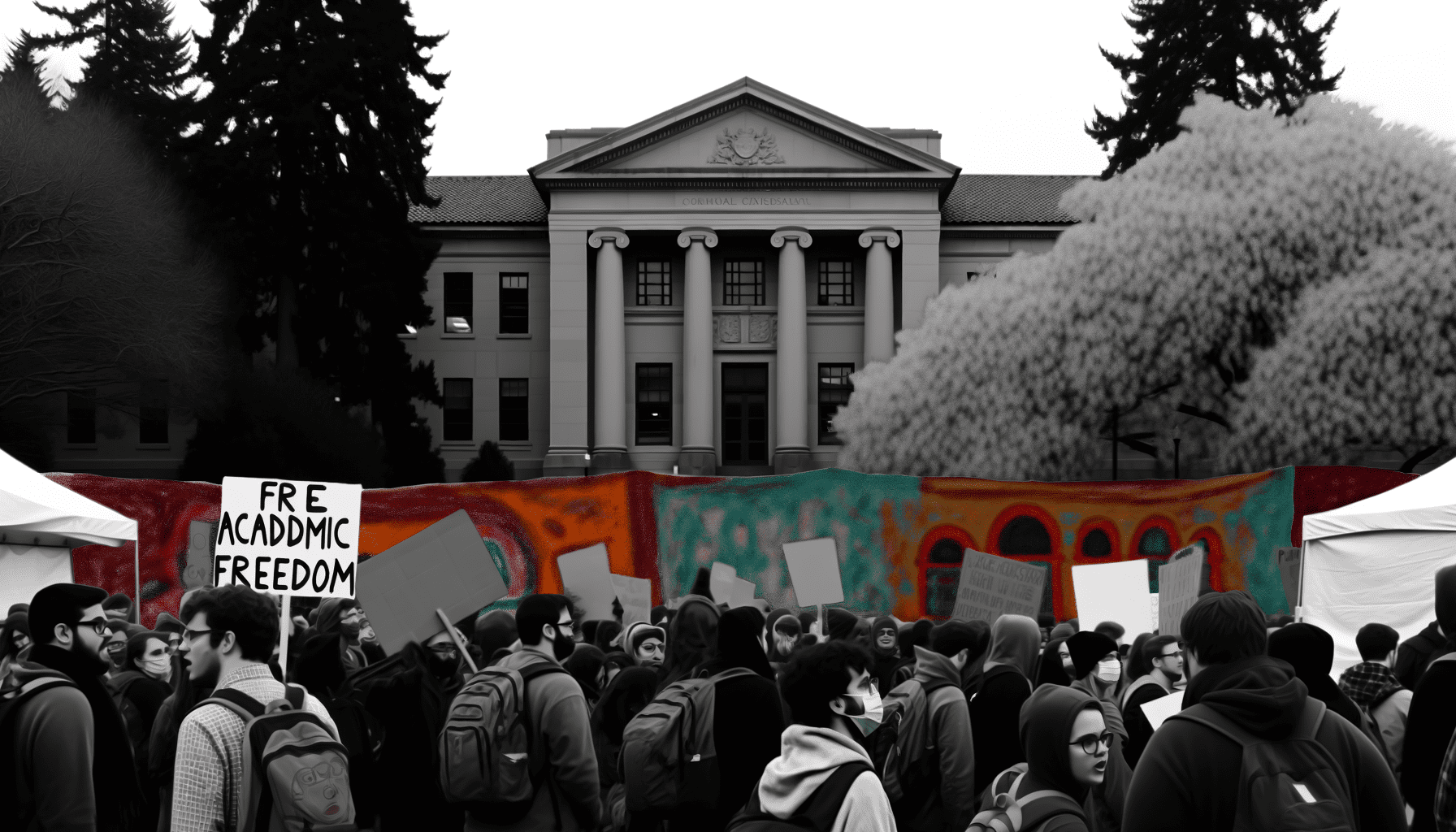
Federal Funding at the Heart of Campus Crisis
In a move that underscores a troubling disregard for institutional autonomy and academic freedom, the Trump administration has brandished an unprecedented ultimatum against Columbia University, demanding radical policy overhauls in exchange for the revival of $400 million in suspended federal funding. At the nucleus of this controversial directive are allegations—asserted primarily from conservative circles—of perceived antisemitism stemming from recent pro-Palestinian campus protests.
Columbia University stands accused by the Trump administration of failing to sufficiently discipline protesters and failing to ensure safety for Jewish students and faculty. This unprecedented federal overreach spotlights a critical debate regarding how campuses nationwide balance freedom of speech, legitimate political expression, and the essential safeguarding of students from hate incidents. Isolated allegations of bias have become a rallying cry for conservative forces, and Columbia now faces a stark strategic crossroads.
Sweeping Federal Ultimatum Draws Outrage
Among the mandates specified by the federal government are highly contentious measures. Topping the requirements is the immediate placement of Columbia’s Middle Eastern, South Asian, and African Studies Department under “academic receivership” for a period of at least five years. This draconian measure—unprecedented in nature—erodes academic independence and has sparked an uproar among educators and activists alike. Additionally contentious mandates include an expansive ban on masks during protests, the imposition of new, highly controversial definitions of antisemitism designed by political actors, and rigorous control of students’ disciplinary processes centralized under Columbia’s president—not independent faculty committees.
Universities across the United States typically pride themselves on their freedom of thought and debate—qualities crucial to stimulating academic environments. Yet the extraordinary scope and severity of Trump’s directives call many principles of educational independence into question.
Critics highlight this move as a political maneuver rather than an authentic attempt to combat antisemitism, pointing to the arrest of Palestinian student activist Mahmoud Khalil by Immigration and Customs Enforcement (ICE). This chilling arrest reinforces the fear and intimidation forming around contentious political engagement, placing the educational integrity and inclusive ethos of campuses nationwide in jeopardy.
Columbia’s Dilemma: Compliance or Challenge?
Facing immediate deadlines—the administration requires concrete measures by March 20—Columbia University’s interim president Katrina Armstrong has publicly expressed deep concerns about federal actions, stating she’s “heartbroken” by the harsh ultimatums and reaffirming the university’s renewed commitment to maintaining campus safety responsibly. Armstrong and Columbia now confront an ethical and existential choice: to either acquiesce to measures perceived by many campus activists and faculty as reactionary and harmful or lose substantial federal funding essential to their institutional health.
Beyond campus borders, the controversy embodies broader narrative shifts, significantly spotlighting ongoing tensions between increasingly vocal pro-Palestinian student advocacy groups and persistently vocal pro-Israel sentiments. The conflation of legitimate political expressions of criticism—protected under robust definitions of free speech—and actual antisemitic misconduct has dire social implications.
“This isn’t a measured policy intervention. It’s a blatant attack on academic liberty and open political expression,” warned educational policy expert Dr. Valerie Reed, emphasizing the chilling consequences of unquestioning compliance.
Three lawsuits stand as testament to the dissatisfaction a contingent of Jewish students feel about Columbia’s evasive handling of antisemitic harassment. Despite real grievances that must be addressed seriously, experts believe leveraging those isolated incidents to exact sweeping control violates core educational principles. Institutions confronting complex diversity dynamics require nuanced, community-informed strategies—not federal overreach couched in partisan terms and threats.
Standing Up for Democratic Values on Campus
Reflecting a turbulent coupling of nationalism and academia, the directive by the Trump administration sends a clear, disturbing message to universities nationwide: conform or endure punitive measures. Reactions state-wide caution this dangerous precedent risks homogenizing American classrooms to partisan purposes, fundamentally eroding the potent pluralistic ideals upon which progressive higher education stands.
It’s crucial now more than ever for university communities—students, faculty, alumni, and administrations—to rally decisively against such open attempts by political entities to mold academic discourses. History offers stark examples, notably the censorship-fueled destruction of intellectual diversity endemic to intolerant regimes past.
However passionate the debate becomes, protest and positions articulated without fear of governmental retribution exemplify democracy’s greatest virtues—principles now imperiled atop Columbia’s prestigious grounds. Our academic institutions deserve unwavering defense against federal encroachments demanding solidarity born of political convenience. Embracing nuanced dialogue is a demonstration of patriotism, aiding critically in the pursuit of informed, empathetic solutions amidst increasingly polarized conversations.
As Columbia University grapples with the next steps imposed upon them, progressive activists, educators at all levels, and civically engaged citizens alike watch anxiously and indeed opportunistically—for here stands a clarion call to raise collective voices unabashedly on behalf of preservation of academic sovereignty against dangerous currents of authoritarian governance.
