
Tackling the Silent Hardship: Diaper Need in America’s Heartland
Picture a mother weighing her last few dollars: groceries or diapers? For nearly half of American families with infants and toddlers, this wrenching choice is not theoretical, but an everyday reality. While politicians in Washington squabble over tax codes and education budgets, tens of thousands of babies go without the most basic of hygiene and health essentials—diapers.
How dire is the situation? According to the National Diaper Bank Network, one in every two families with young children struggles to afford enough diapers to keep their babies clean, dry, and healthy. This is “diaper need”—a term that draws little media attention compared to debates over formula shortages or insurance coverage, yet wields outsize influence on the lives of low-income parents. The lack of government assistance for diapers—since they’re considered non-eligible under SNAP (food stamps) or WIC—puts immense pressure on nonprofit organizations to fill the gap.
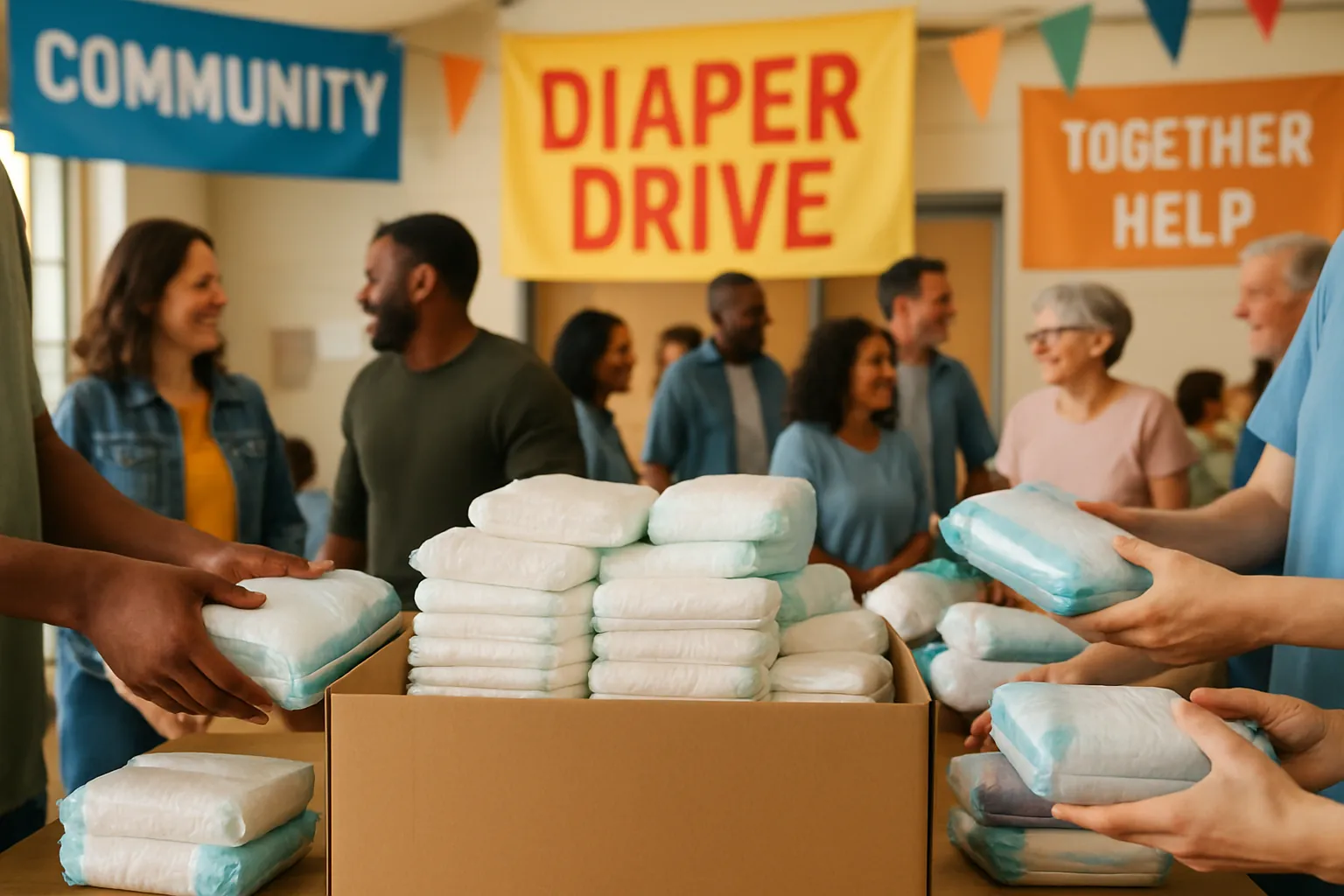
This spring, a remarkable coalition of local groups and volunteers is stepping up. The Junior League of Toledo, Royal Credit Union in Wisconsin, Healthier Moms and Babies in Indiana, and Akron’s Full Term First Birthday initiative are leading drives that together have distributed more than 37,000 diaper supplies to families across the Midwest. Their fight against diaper insecurity is a fight for maternal health, childhood development, and dignity itself.
Counting Every Diaper, Changing Futures
Take Toledo’s Junior League, for instance. In 2020, they kicked off the “As We Grow Diaper Bank,” and in four short years, they’ve provided over 200,000 diapers to families in need. Just this spring, they delivered 25,000 diapers to more than 450 children—helping an invisible crisis become visible, child by child. These efforts earned vital backing from the Toledo Rotary Foundation Club Foundation Fund, whose $4,000 grant has helped sustain and expand their mission. The League is clear: the need isn’t just for newborn sizes. Families desperately seek sizes 3 through 6, plus toddler pull-ups and wipes, acknowledging, as League leader Kellie Cole notes, that “diaper need doesn’t end at infancy.”
In northwest Wisconsin and the Minnesota metro, Royal Credit Union’s inaugural diaper drive collected over 12,300 diapers and nearly $4,000 for food and diaper banks. Hear that number again: 12,300 diapers delivered in just weeks. The drive’s enthusiastic response convinced the Credit Union to make it an annual tradition, proof that collective action can bridge policy shortfalls—at least, temporarily.
“Diaper banks are a public health intervention as much as a charity initiative. When parents can’t afford diapers, their children are at greater risk for diaper rash, infections, and even being turned away from childcare. It’s about children’s health and economic mobility.”
— Dr. Lisa Troiano, pediatrician and public health advocate
Community Baby Showers like the one in Akron, Ohio, headline another front in this fight. The July event, orchestrated by Full Term First Birthday, requires applicants to meet strict criteria: pregnancy or a child under one, residency in Summit County, and income below 200% of the federal poverty line. It’s a necessary triage, but it underscores just how far demand outpaces available resources. The goal is not just to provide diapers—but to prevent the tragic, and too-frequent, infant deaths that closely correlate with poverty, housing instability, and health disparities, especially for African American infants.
Diaper Drives: Community Compassion Meets Structural Neglect
What explains this urgent shortage in one of the world’s richest countries? A closer look reveals the gaps left by conservative policy priorities. SNAP and WIC provide food for low-income families, yet diapers are classified as “hygiene products”—and left out of benefits programs. Harsh means-testing and restrictive eligibility for direct cash aid only deepen the burden. Even as progressive groups and community banks race to fill the void, their efforts are a testament to mutual aid and a scathing indictment of federal inaction.
The economic effects stretch beyond household budgets. Healthier Moms and Babies, which partners with over 90 Indiana organizations, points to a cascade of consequences. Parents unable to afford diapers miss work or school, as most child care centers require parents to provide an adequate daily supply per child. The nonprofit is collecting donations at more than 100 drop sites, focusing on larger diaper sizes that are often in shortest supply. According to their findings, diaper scarcity is closely linked to heightened maternal depression, increased risk of preterm birth, and chronic absenteeism from employment—a cycle that punishes both kids and caretakers.
Why must the most vulnerable—our infants and their mothers—fight hardest for basic dignity? Political gridlock and ideological opposition to social welfare play a powerful role. U.S. Census data confirms that one-quarter of American children under five live in poverty, with Black and Hispanic families disproportionately affected. Progressive leaders, including Sen. Tammy Duckworth and Rep. Rosa DeLauro, have advocated expanding federal safety nets to encompass diapers, but such proposals languish amid cost-cutting rhetoric on Capitol Hill.
At its heart, the diaper drive movement is proof that grassroots action still matters. Each pack of diapers donated, each parent who gets to return to work with peace of mind, becomes a statement: families deserve more than spotty charity and annual fundraisers. They deserve policies that honor their needs with statutory permanence—not patchwork generosity.
Where Compassion and Policy Meet
Beyond the mountains of donated diapers—over 200,000 in Toledo alone since 2020—lies a lesson in community and compassion. The tireless volunteers behind these drives know that no parent should have to choose between food and dignity, between showing up for work and providing basic care. Their work is an act of love, but also a clear rebuke to a system content to let poverty fester out of sight.
For readers who wonder how to help, consider this: the most far-reaching impacts come from both local action and political agitation. Donate diapers. Volunteer your time. But also lend your voice to efforts demanding that Congress and state legislatures include diapers in all safety-net programs. As so many Midwest organizers have shown, helping families thrive takes all of us—neighbors, advocates, donors, and lawmakers willing to see poverty, and change it.
