
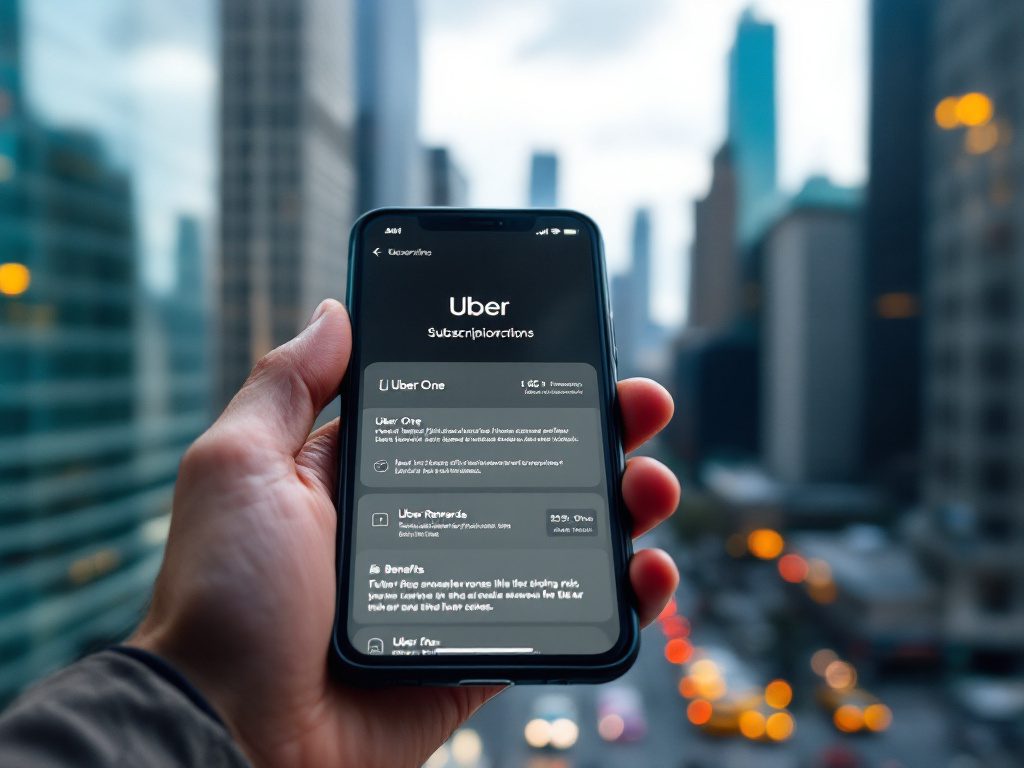
When Convenience Masks Deception: The Uber One Lawsuit Unpacked
Picture this: You’re a regular Uber user, lured in by the promise of VIP treatment—discounted rides, waived delivery fees, and that enticing claim of $25 in monthly savings. What you likely don’t anticipate is being trapped in a maze of screens and steps just to cancel a service you might not have even knowingly signed up for. This scenario isn’t fiction; it’s the crux of the massive new lawsuit filed by the U.S. Federal Trade Commission (FTC) against Uber Technologies over its Uber One subscription service.
The charges are serious: the FTC alleges Uber misrepresented savings, presented misleading cancellation promises, signed up users without clear—or any—consent, and engaged in deceptive billing practices, allegedly violating both the FTC Act and the Restore Online Shoppers’ Confidence Act (ROSCA). According to the Commission’s case, cancelling Uber One could take users through as many as 23 screens and up to 32 individual steps, with some exasperated customers still needing to contact customer service to break free.
For its part, Uber—whose stock plummeted nearly 4% on lawsuit news—claims its processes are “clear, simple and lawful,” asserting recent improvements address any previous shortcomings. The reality for many consumers, however, tells a different story: a service architecture that turns cancelation into a high-stakes game of digital hide-and-seek. FTC Chairman Andrew Ferguson’s remarks resonate in this climate, stating that “consumers are tired of signing up for unwanted subscriptions that seem impossible to cancel.”
Dark Patterns and the Subscription Economy’s Hidden Costs
Beyond the headlines and legal filings lies a telling pattern—one not unique to Uber. Major tech companies, including Amazon and Adobe, face similar FTC scrutiny for so-called ‘dark patterns’: interface designs deliberately crafted to confuse, mislead, or thwart users who want to opt-out. This new regulatory offensive springs from a growing frustration among average Americans: The digital economy, increasingly powered by subscriptions, often preys on inertia and a lack of transparency, fundamentally eroding consumer trust.
Consumer advocates argue that companies like Uber have engineered their platforms not just for frictionless sign-ups, but for dreadfully onerous cancellations. The FTC’s complaint gives explicit examples, including at least one user charged $9.99 per month for Uber One despite not having a functioning Uber account—a Kafkaesque impasse if ever there was one. Even after initiating cancellation, some subscribers report being sent through what amounts to a digital obstacle course. Harvard consumer law professor Tamar Frankel observes, “When exit becomes harder than entry, the company’s motives shift from service to entrapment.”
The Commission’s case is not just about Uber. It’s part of a broad reckoning with the tech sector’s unchecked use of opaque tactics. According to a recent Pew Research Center study, nearly 41% of U.S. adults have struggled to cancel an online subscription at least once. This epidemic of digital entanglement disproportionately impacts older adults—a demographic less comfortable with convoluted online processes. It’s no accident that most of these complaints surface around recurring services promising significant savings, only to obscure the true net benefit by omitting the subscription fees themselves from their advertising.
“Consumers are tired of signing up for unwanted subscriptions that seem impossible to cancel.” — FTC Chairman Andrew Ferguson
How did the digital marketplace arrive at this point? In the gig economy’s race to lock in recurring revenue, companies have clearly prioritized growth and shareholder value over straightforward customer consent and fair-play. That may drive Wall Street’s quarterly results, but for the public it sows cynicism and the sense that even industry leaders see consumers not as partners, but as opportunities for exploitation.
Repeated Lapses and a Push for Genuine Accountability
Uber’s rocky regulatory history makes the current FTC action less a surprise than an unfortunate refrain. This isn’t the first time Uber has been accused of trading transparency for profit. In 2017, the company settled claims of deceptive privacy and data security practices. Just a year later, it paid $20 million for inflating driver earning potential. A 2022 settlement followed revelations of a concealed data breach affecting 57 million users and drivers. These precedents matter, and they underscore the urgency of systemic reform.
The FTC’s vote to move forward with the lawsuit—approved 2-0 with the newly appointed commissioner recused—reflects growing bipartisan frustration with “subscription traps” and related deceptions. Regulatory agencies now seem less interested in toothless admonishments and more committed to wielding their statutory authority to effect real change. The Restore Online Shoppers’ Confidence Act, cited by the FTC, aims to ensure online customers are given clear, advance disclosure and an easy way to stop recurring charges. Enforcement here isn’t just technical; it’s deeply moral, addressing a fundamental power imbalance between corporations and the people they serve.
Balancing convenience and consumer protection is undeniably complex. The rise of the on-demand economy has brought tangible benefits: accessibility, efficiency, and for many, meaningful savings or flexibility. Yet these virtues are betrayed when tech giants, emboldened by weak oversight, design their systems to extract maximum value with minimal clarity. Progressive voices have long called for robust, user-centered transparency as the non-negotiable price of digital innovation.
Will Uber’s courtroom denials, asserting their current processes are “faster and easier,” stand up under the FTC’s challenge? Or will this moment serve as a wake-up call—setting new baselines for honesty and ease of use in America’s subscription economy? Beyond legal headlines, what’s at stake is broader: the restoration of basic fairness for everyone navigating our increasingly automatic, digital daily life.
