
The High Stakes of Intelligence Leaks
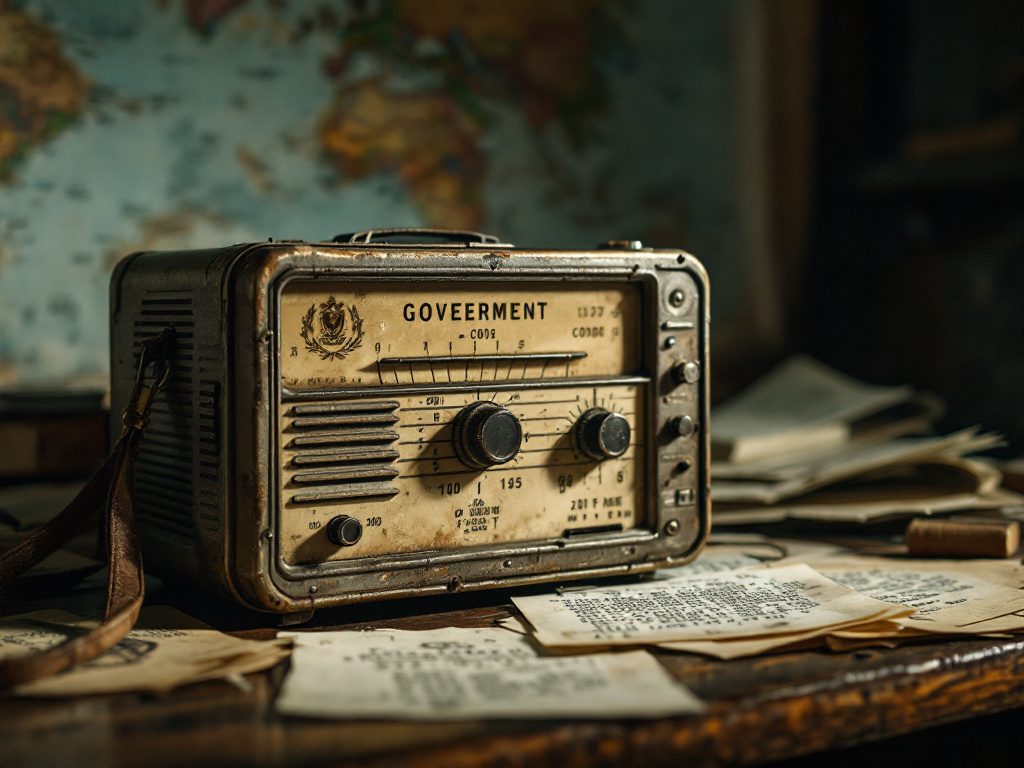
Whistleblowers and leakers have always been treated as both threats and heroes, their actions reverberating through the halls of government and public opinion alike. This week’s headlines bring an unexpected twist: Director of National Intelligence Tulsi Gabbard has referred two intelligence officials to the Department of Justice for criminal prosecution, alleging unauthorized leaks of classified material to major media outlets—specifically, The Washington Post and The New York Times. A third referral, she revealed, is imminent.
This aggressive clampdown comes on the heels of an internal review by the Office of the Director of National Intelligence (ODNI), which identified the suspected leakers. According to an ODNI spokesperson, the referrals should serve “as a warning” to all intelligence professionals that leaking classified information will not be tolerated and will carry severe consequences. Yet, behind this stern exterior lies a cascade of questions regarding political motivation, whistleblower protection, and the very nature of transparency in a democracy built on an informed citizenry.
Beyond the legal maneuvering, Gabbard doubled down on the message: These referrals were a prelude to a broader campaign against what she brands as “deep-state criminals”—a term freshly minted in recent years to describe those allegedly working behind the scenes to undermine the sitting president, in this context, Donald Trump.
As Gabbard herself framed it, these alleged leaks represent an attempt to thwart the administration’s policy objectives under the guise of civic duty or national interest. But is the war on leaks truly about safeguarding secrets, or silencing dissent and chilling accountability?
The Chilling Effect and Historical Parallels
A closer look reveals that the targeting of leakers for prosecution is not unprecedented in American history—but the context matters, as does the impact on press freedom and oversight. In the wake of the Pentagon Papers in the early 1970s, Daniel Ellsberg was famously prosecuted under the Espionage Act for exposing decades of missteps in Vietnam. Decades later, the Obama administration pursued more leak prosecutions than all previous administrations combined, drawing criticism from transparency advocates and journalists. Under Trump, aggressive action against leakers became a signature strategy. Now, Gabbard’s move reinforces a bipartisan inheritance.
Harvard law professor Laurence Tribe warns, “There is always a risk that efforts to prosecute leaks may morph into broader efforts to intimidate would-be whistleblowers, journalists, or even the public’s right to know.” The question you might ask: Where is the line between national security and necessary government transparency?
Ironically, moments that should foster greater accountability often lead instead to fierce politicization of intelligence. Reports indicate that beyond criminal referrals, Gabbard has revoked security clearances for Democratic leaders—Biden, Harris, Clinton—without citing evidence of wrongdoing. Critics worry this tactic weaponizes intelligence processes for partisan ends, a maneuver reminiscent of notorious purges in eras past.
“When the intelligence community becomes a political battleground, the greatest casualty is public trust. Secrecy meant to protect us can easily be wielded as a cudgel against dissent and democratic scrutiny.”
Recent firings at the Department of Defense—including senior aides with seasoned records and high-level clearances—underscore how disciplinary actions in the name of security are often shrouded in secrecy and devoid of due process. In a joint statement, Dan Caldwell, Colin Carroll, and Darin Selnick emphasized their lack of transparency regarding dismissal, highlighting honorable public service and deployments to Iraq and Afghanistan. Their experience throws into sharp relief the human toll of these politically charged purges.
Transparency, Accountability, and the Fight for Trust
Leaders from across the political spectrum have recognized the delicate balance between safeguarding national secrets and empowering a populous to hold its government accountable. The formation of Gabbard’s new internal task force—ostensibly to restore transparency and accountability—raises important questions about how intelligence oversight is wielded, and for whom.
Are these measures a genuine good-faith effort to curb carelessness with classified information, or yet another attempt to muzzle dissent and amplify a chilling effect on whistleblowers and journalists? According to a 2023 Pew Research survey, nearly 65% of Americans say they support transparency in government, believing it is critical for democracy’s health. Yet, a similar share say they have little faith that government prosecutions over security leaks are insulated from political bias.
Beyond that, the specter of partisan purges and retaliatory security clearance withdrawals erodes morale in federal agencies and dampens faith in fair, nonpartisan administration of justice. National security is indeed paramount, but so too is courage to question and hold authority to account. The danger lies in conflating legitimate leaks that expose wrongdoing—often viewed as acts of public service—with leaks of operational details that threaten genuine security.
History shows that openness, even when messy, is essential to our collective well-being. The late Senator Frank Church, who led the landmark 1970s investigation into intelligence abuses, once warned, “Intelligence agencies must never become a law unto themselves. America’s greatness relies not on secrecy, but on transparency and accountability.”
Gabbard’s crackdown may indeed deter future leakers. Yet if it breeds fear, punishes nonconformity, or tips the scales of power too far toward enforced silence, our democracy loses its guiding light. We must remain vigilant: defending secrets cannot come at the expense of the truth itself.
