
Collateral Reality Behind a “Precision” Strike
A single missile streaks across the night sky of Gaza City, its trajectory guided by a mix of intelligence, surveillance, and the chilling certainty of war. In a matter of seconds, a home is leveled in Shati refugee camp—a densely packed block where life and death often hang by a thread. The Israeli Defense Forces (IDF) celebrated this airstrike as a “precise” elimination of a Hamas sniper, Majed Abu Salmiya, who, according to military statements, was preparing an imminent attack. Yet, for the surviving residents and one anguished brother, this event is not a surgical blow against terror, but an all-too-familiar tragedy of civilian loss amid military certainty.
Dr. Mohammed Abu Salmiya, who leads Gaza’s embattled Shifa Hospital, stands at the center of the latest dispute. Describing the military’s sniper allegation against his slain brother Majed as “a lie, slander, and an unacceptable justification for targeting civilians with direct missile strikes,” Dr. Abu Salmiya offers a painfully different account: Majed, 57, was severely visually impaired and in declining health, hardly the profile of a battlefield marksman. According to Dr. Abu Salmiya, the airstrike killed not just his brother but at least two other family members, and fully destroyed their home—a consequence confirmed by Palestinian health officials on the scene.
Why does one act of violence provoke such radically opposing stories? The answer lies in a chasm that has only grown wider as the conflict drags on, with truth itself contested territory between bombarded families and remote targeting screens. The broader costs of this war—measured not by enemy combatants killed, but by shattered families, bereaved communities, and the deepening trauma—rarely feature in official communiques. This reality demands scrutiny, especially as Gaza’s civilians repeatedly find themselves caught in the crossfire of political narratives and military objectives.
Disputed Facts and the Price of “Precision”
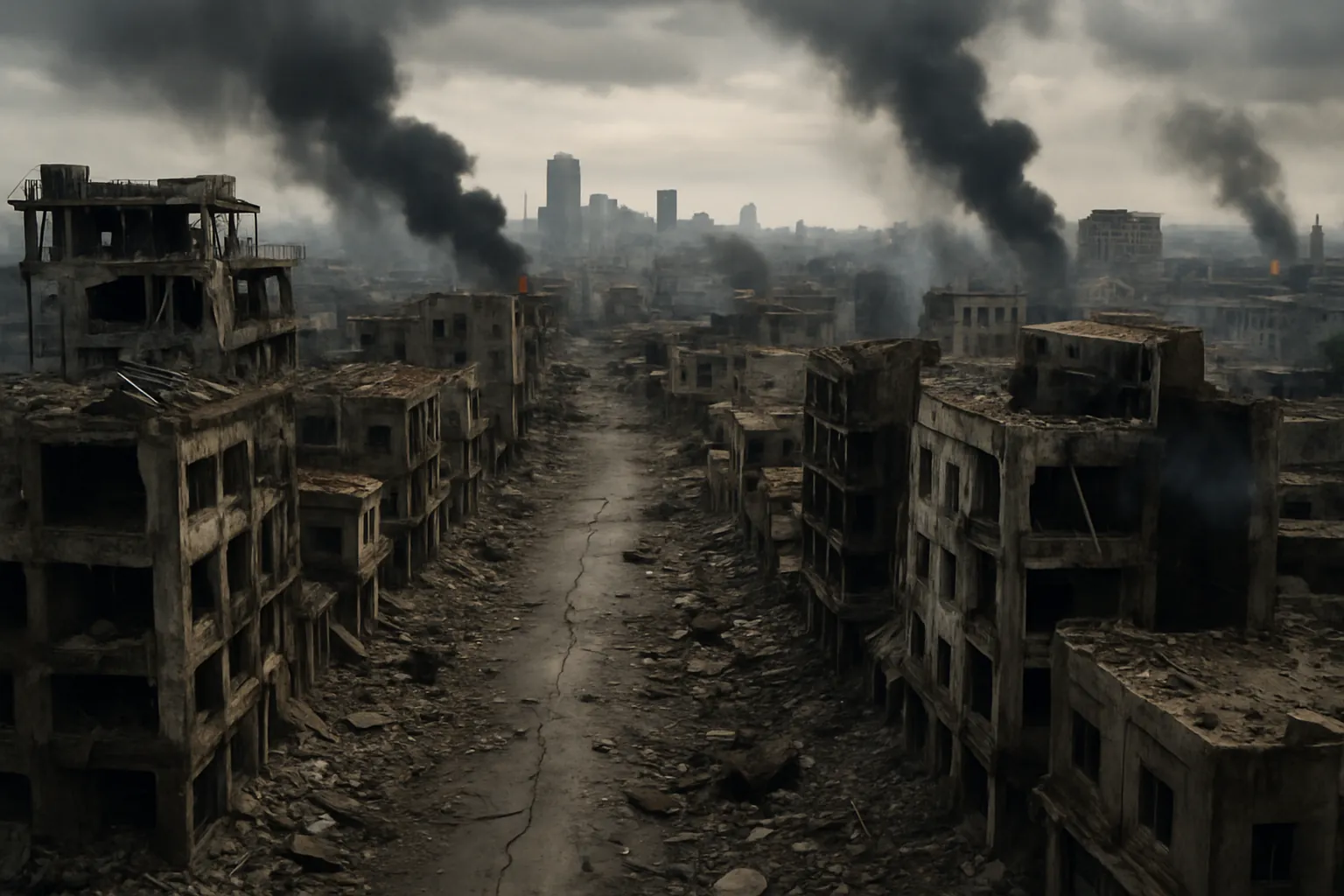
A closer look reveals the IDF’s operation in the Shati camp followed procedures designed to minimize civilian harm: the use of precision-guided munitions, aerial surveillance, and what the military calls “additional intelligence.” Israeli officials insist these steps are evidence of restraint even under threat. Yet the aftermath tells a harsher story. At least three people—a suspected gunman and family—lost their lives; the family home, obliterated.
Efforts to limit collateral damage are, of course, not new. Yet what is genuinely different today is the near real-time contest of narratives, made possible by contested video feeds, dueling social media posts, and the immediate cries of those on the ground. According to the Palestine Red Crescent, airstrikes have increasingly struck residential areas, leaving health workers struggling to distinguish military targets from everyday homes. The Shati strike exemplifies the fraught balance and dangerous ambiguity. “The IDF says precision. Families are left with only grief,” mourned a local aid worker in the camp, reflecting a sentiment echoed throughout Gaza.
Selective intelligence, no matter how advanced, remains vulnerable to gaps, errors, or manipulation. Harvard security analyst Miriam Hoffman notes, “Intelligence in a conflict zone can be both a shield and a trap. Precision strikes often risk being ‘precise’ only on the level of military confidence, not lived experience.” Israeli authorities maintain that the risk of an imminent attack justified the operation, but critics stress that the price—lives, homes, trust in ever-waning humanitarian protections—is being paid primarily by civilians.
“When a doctor’s brother is killed in his own home and called a terrorist without due process, it raises troubling questions about whether ‘precision’ is more about narrative than reality.”
– Human rights attorney Lena Barakat, speaking to Al Jazeera
The devastation at Shati is not an isolated case within this years-long conflict. The killing and immediate branding of a visually impaired man as a sniper, before thorough verification or transparency, erodes trust—not just between adversaries, but also among international observers striving for accountability.
Enduring Impact, Elusive Accountability
Reckoning with the cost of war means facing uncomfortable facts: every strike, no matter how “targeted,” carries the risk of reinforcing cycles of fear and retaliation. Gaza’s health infrastructure, repeatedly battered by military actions, is less equipped than ever to respond. This is especially poignant given that Dr. Mohammed Abu Salmiya himself was detained by Israel less than a year ago, accused—without formal charge—of permitting Hamas operations in his hospital. Cleared and released by July 2024, he has since become a reluctant symbol of the hazards facing Gaza’s healthcare system amid weaponized suspicion.
Beyond that, weaponizing suspicion too often blurs the lines between civilian and combatant. The claim against Majed Abu Salmiya—a man reportedly suffering from grave medical issues—fits a pattern where, in the absence of transparent evidence, military assertions are wielded as justification ex post facto. As Israeli journalist Amira Hass wrote, “When the fog of war lifts, the stories left behind are rarely those promised in the official statements.” The international community, including bodies like the UN Human Rights Council, continues to call for independent investigations into alleged abuses and civilian casualties, but enforcement remains weak in the face of ongoing hostilities and deep mistrust.
What, then, is at stake when these strikes are debated almost as soon as the dust settles? For many, it is a question of not just policy but morality—and whether the world will continue to accept a framework where evidence is retrofitted to match already devastating violence. Progressive values demand more: recognition of Palestinian humanity, stronger accountability in the fog of war, and a renewed commitment to international law as a living, binding promise—not a rhetorical tool wielded only by the powerful.
Ultimately, each “precision” strike etched into Gaza’s contested landscape writes another line in a collective tragedy—one where official claims, local truths, and the longing for justice will continue to clash so long as violence eclipses dialogue and due process remains an afterthought.
