
Unearthing the Toll of America’s Atomic Legacy
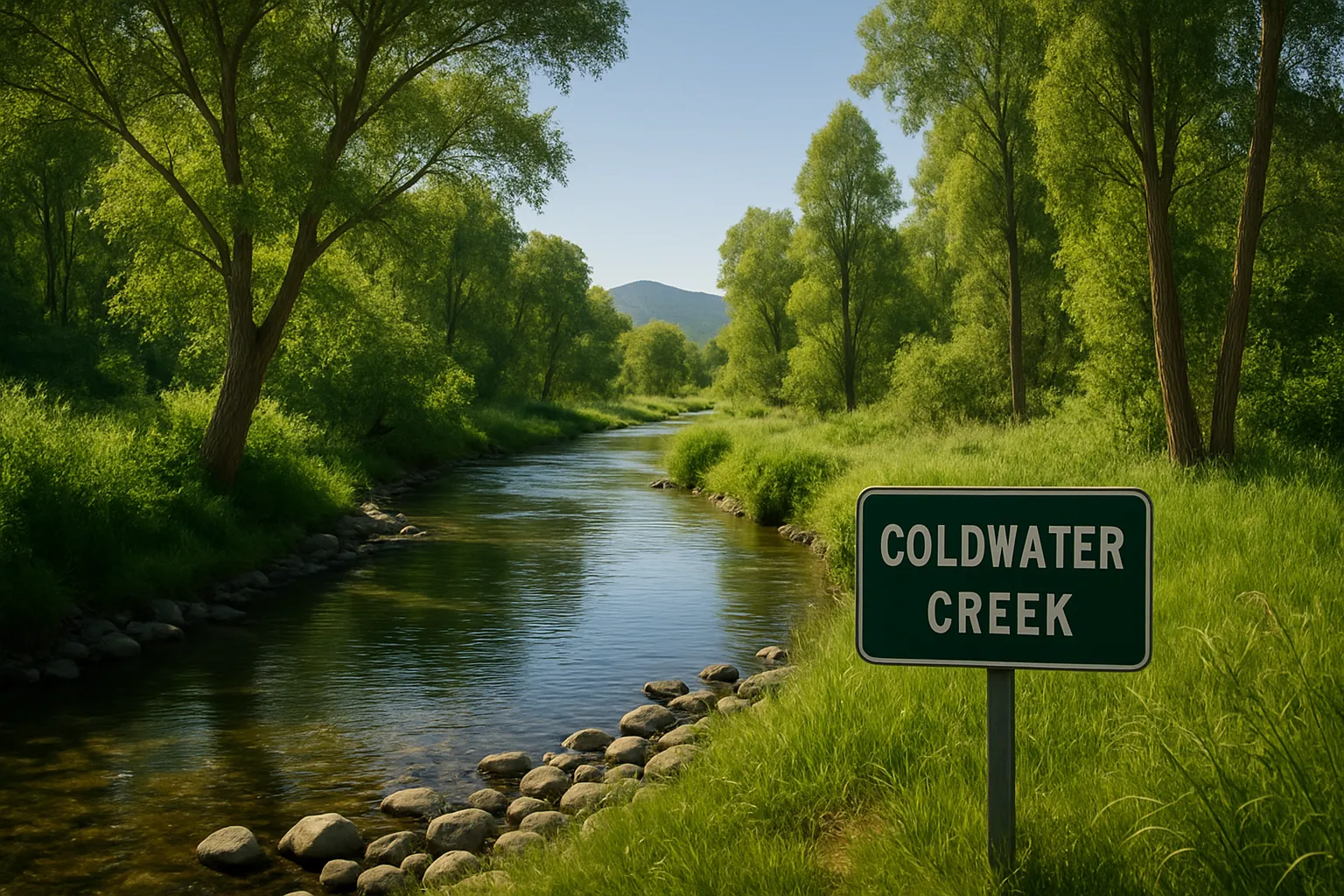
Imagine learning, decades after childhood, that playing near a favorite creekside haunt wasn’t just innocent fun—it was a toxic gamble orchestrated by national policy failures and corporate negligence. For thousands raised near Coldwater Creek in north St. Louis County, Missouri, this chilling reality is being validated by scientific evidence at long last. The latest Harvard study underscores an inescapable truth: government secrecy and inaction have profound public health consequences that linger across generations.
Coldwater Creek isn’t merely another polluted waterway; it’s a reflection of how the aftershocks of wartime decisions echo through communities left in the dark. From the 1940s through the 1960s, radioactive waste from uranium processing—tied directly to the Manhattan Project—silently seeped from storage sites near St. Louis Lambert International Airport into the surrounding soil and water. The contamination, caused by Mallinckrodt Chemical Works (a corporate titan at the heart of America’s nuclear ambitions), created an invisible hazard for families flocking to the suburbs during the postwar housing boom.
Generations of residents recall fishing, wading, and picnicking at the creek—blissfully unaware of the risks they faced. For Kim Visintine, a leading community advocate for Coldwater Creek victims, the latest findings are the bittersweet vindication of decades of activist struggle. As she remarked to local news, the “validation is important, but it’s heartbreaking to realize how many lives have been upended and lost while officials dismissed or ignored our pleas.”
The Harvard Study: Connecting the Dots with Data—and Decades of Pain
The new research, published in JAMA Network Open, leverages a remarkable long-term dataset: the St. Louis Baby Tooth–Later Life Health Study. Between 1958 and 1970, more than 300,000 baby teeth were collected from local children to monitor radioactive fallout from nuclear weapons testing. Today, those same children—now adults in their sixties and seventies—self-reported cancer incidences as part of a retrospective analysis connecting their childhood addresses to risk.
Living within just one kilometer of Coldwater Creek during childhood was associated with a jaw-dropping 29% higher risk of cancer, the researchers found. That’s an added 700 cases per 10,000 people exposed—statistics that echo the worst fears of local families and community leaders.
The researchers also identified a clear dose-response effect: the closer one lived to the creek, the higher the risk of developing both overall and radiosensitive cancers. Cancers like leukemia, thyroid, and breast cancers, known to be particularly tied to radiation exposure during childhood, stood out. “These data give scientific weight to the concerns that residents have raised for decades,” says Dr. Michael Leung, one of the Harvard study’s lead investigators. “The unique combination of environmental records and longitudinal health outcomes allows us to understand the true cost of nuclear age decisions.”
“For years, families wondered if all those mysterious illnesses and untimely deaths were really just bad luck. Now science confirms what our government refused to acknowledge: Coldwater Creek’s legacy is written in our bodies.”
It’s a jarring reminder that health risks from nuclear policy are not confined to international disputes or catastrophic meltdowns. They manifest in the quiet, repetitive tragedies endured by working- and middle-class Americans whose communities were deemed expendable for national priorities. Consider this: according to historian Kate Brown, whose book “Plutopia: Nuclear Families, Atomic Cities, and the Great Soviet and American Plutonium Disasters” exhaustively details these patterns, such hidden health consequences recur wherever nuclear ambitions override local safety.
Justice, Accountability, and Lingering Contamination
The community’s fight for recognition has not gone unnoticed. Recent political progress—though long overdue—offers a glimmer of hope. As local outrage grew, Congress expanded the Radiation Exposure Compensation Act (RECA), signed into law in July 2024, extending federal recognition and compensation eligibility for those harmed by radioactive waste not only in historic atomic test sites but also in overlooked communities like North St. Louis County.
Still, questions persist: how could the Army Corps of Engineers and local authorities permit residential development in known hazard zones while downplaying potential health risks? The ongoing remediation efforts along Coldwater Creek have removed thousands of cubic yards of tainted soil, yet experts warn that soil and groundwater contamination levels during the 1950s and 1960s were likely orders of magnitude higher. According to environmental scientist Dr. Hayley Strand, failure to act transparently in the mid-20th century has left an indelible mark on both the land and its people: “We’re only now reckoning with the true scope of this environmental injustice.”
What does environmental justice look like after so much loss? It must embrace rigorous health surveillance, ongoing cleanup, and—most importantly—accountability for both the architects of pollution and the failure of oversight systems. EPA records indicate persistent monitoring challenges, and local attorneys argue that comprehensive compensation should extend not just to direct exposure victims but to future generations grappling with the consequences.
This story is a microcosm of larger, systemic failures to protect vulnerable communities from the consequences of industrial and governmental negligence. While the scars of Coldwater Creek run deep, the hard-won scientific clarity from this landmark study should inspire a new era of transparency. No American community should be left wondering for decades about the true cost of progress—or sacrificed on the altar of secrecy and expediency.
