
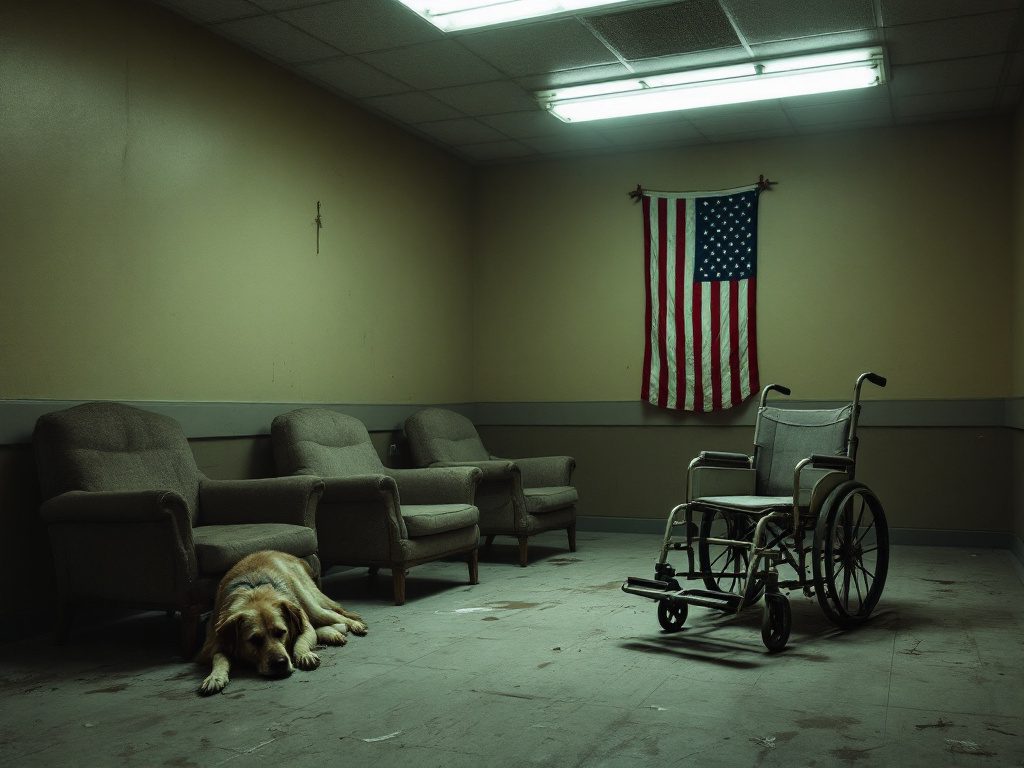
Imagine serving your country, taking on dangers and sacrificing deeply, only to find yourself later fighting battles at home—not against foreign adversaries, but within the very system meant to protect you. This distressing scenario isn’t hypothetical but the lived reality for countless veterans today, including one war hero from Alaska whose recent cry for help shines a painful spotlight on an ongoing national crisis.
The Human Cost of Bureaucratic Neglect
For two painstaking years, this 100% disabled veteran based in Alaska has been locked in a harrowing struggle with state agencies plagued by bureaucracy, mishap, and even outright misconduct. Despite very serious allegations—including falsified documents and repeatedly broken agreements—the governmental bodies tasked with addressing his case have failed at every juncture. Worse yet, he reports that investigators have actively questioned his mental health treatment inappropriately, effectively piling trauma upon trauma.
Such dismissive and inappropriate probing is not merely unfair; it is deeply harmful. Mental health stigma is a significant barrier preventing many veterans from seeking the care they desperately need. When state agencies themselves participate in perpetuating this prejudice, veterans who have already endured extensive sacrifices are deterred further from seeking vital support.
The emotional burden this treatment places on veterans is staggering. According to a report by the RAND Corporation, nearly twenty percent of military veterans suffer from PTSD or depression, and shame or stigma surrounding these issues compounds their recovery difficulties. The added stress of fighting bureaucratic indifference becomes an unnecessary and cruel punishment.
When Bureaucratic Failures Impact Families
Beyond the immediate emotional anguish caused by the ongoing struggle with these authorities, the veteran describes an ever-worsening health crisis; his condition deteriorates steadily as external support fails. As devastating as his personal experience is, the repercussions extend far beyond just the individual. Indeed, he highlights that the struggle is noticeably affecting his child, revealing a disturbing truth—that institutional negligence becomes familial trauma.
“I feel abandoned, ignored, and I see the toll it’s taking on my loved ones. It’s not just my life they’re neglecting—it’s my family’s chance at stability and a hopeful future.”
The ripple effect here shouldn’t surprise any of us. Experts have long recognized that inadequate support for veterans creates a generational cycle of trauma and instability. Harvard psychologist Dr. Robert Waldinger emphasizes how chronic stress within households, exacerbated by external bureaucratic pressures and neglect, often leaves lasting emotional scars on the family, disproportionately affecting the children of the affected veterans. The nation’s failure to protect one vulnerable group cascades tragically downward.
An Urgent Call for Systemic Reform and Personal Resilience
So, what can be done to interrupt this harmful pattern? At an immediate, personal level, veterans currently enmeshed in these painful predicaments are encouraged by support specialists and crisis counselors to reach beyond unresponsive local and state systems toward national organizations equipped to help, including the Disabled American Veterans and the Wounded Warrior Project. Such groups maintain vast networks and expertise precisely because the kind of bureaucratic chaos seen in this case is sadly commonplace and demands expert guidance and intervention.
Furthermore, legal advocacy is crucial yet frustratingly elusive for many veterans. Advice columnist Annie Lane has suggested mechanisms like the National Disability Rights Network, a group often overlooked yet possessing the expertise to legally advocate on behalf of veterans enduring similar abuses. Legal advocacy groups wield considerable power in holding accountable those who shirk their responsibilities toward those who served.
Yet these measures, important as they may be, address only the symptoms of a broken system—not the fundamental reality that our nation frequently fails those who have given the most. A closer look reveals the federal government spends billions annually on veteran’s programs, and yet stories like this Alaskan veteran surface with alarming regularity. Clearly, funding alone is not enough; oversight and accountability mechanisms remain fatally flawed or appear entirely absent, undermining the intended benefits.
Until meaningful systemic reform becomes reality, the sad truth remains in Annie Lane’s comforting reassurance: the breakdown here isn’t a reflection of personal value or worth, but rather this man’s experience is a stark mirror held up to profoundly broken institutions. Unfortunately, such affirmations, though vital emotionally, do little to practically alleviate the tangible suffering experienced by vets and their families nationwide.
Given our collective responsibility to America’s veterans, we cannot allow bureaucratic neglect and failures to remain the status quo. It represents a glaring betrayal not just of one patriotically dedicated individual but also of the very values we purport to cherish as a nation. If our society genuinely honors service men and women, those entrusted with protecting their welfare after service must be held strictly to account.
To the many veterans who may recognize your personal struggles echoed here—remember, though your trials may remain overlooked by some institutions, you deserve acknowledgment, respect, and comprehensive care. Even if this Alaskan veteran’s situation seems bleak, resilience and hope rest in the belief of a future where America’s gratitude matches the depth of her veterans’ sacrifices.
