
A Chilling Signal from Immigration Authorities
Late at night in a university-owned apartment, Mahmoud Khalil, a recent graduate and prominent Palestinian activist from Columbia University, found his academic and personal freedom shattered. Immigration and Customs Enforcement (ICE) agents entered his home, arresting him in the presence of his pregnant wife, supposedly on a State Department order to revoke his green card. Khalil’s arrest quickly sparked national controversy, elevating a broader dialogue on immigration enforcement and freedom of speech.
The Trump administration, notably aggressive toward campus activists involved in pro-Palestinian demonstrations, has framed Khalil’s arrest as necessary for national security. President Trump himself described Khalil as a “Radical Foreign Pro-Hamas Student” and warned that this was merely the first domino to fall in broader efforts against student activism critical of Israeli policies. Critics, however, see this as a sinister signal designed to silence dissent and chill campus advocacy.
A Political Maneuver or Genuine Security Concern?
The government’s rationale for Khalil’s arrest hinges on alleged security concerns and accusations of supporting terror affiliates. This narrative has alarmed civil rights advocates and legal experts who categorically deny these claims. Khalil’s lawyer, Baher Azmy, insists, “Mr. Khalil’s detention has nothing to do with security. It is only about repression.” It does indeed appear that Khalil’s vocal criticism of Israel’s military activities in Gaza is the real cause behind his detention rather than any genuine threat he poses.
Historically, ICE arrests based on such political scopes are rare and deeply unsettling. Legal precedents in cases like Khalil’s remain ambiguous, raising serious constitutional concerns about infringement on free speech and due process rights for political reasons. Increasingly, ICE’s role appears to be shifting dangerously from immigration enforcement toward punitive, politically motivated measures aimed squarely at curbing dissent. This could represent a troubling erosion of civil liberties if left unchallenged.
Criticism has come swiftly. Ahmed Rehab, the Executive Director of the Council on American-Islamic Relations (CAIR) in Chicago, accused the administration of abusing its power, stating, “This apparently angered and upset political leaders in this country who believe they had the right to enforce their personal political opinions on this individual…” Such responses from civil rights groups have emboldened efforts to challenge the constitutionality of Khalil’s detention.
Universities: Silent Observers or Champions of Free Speech?
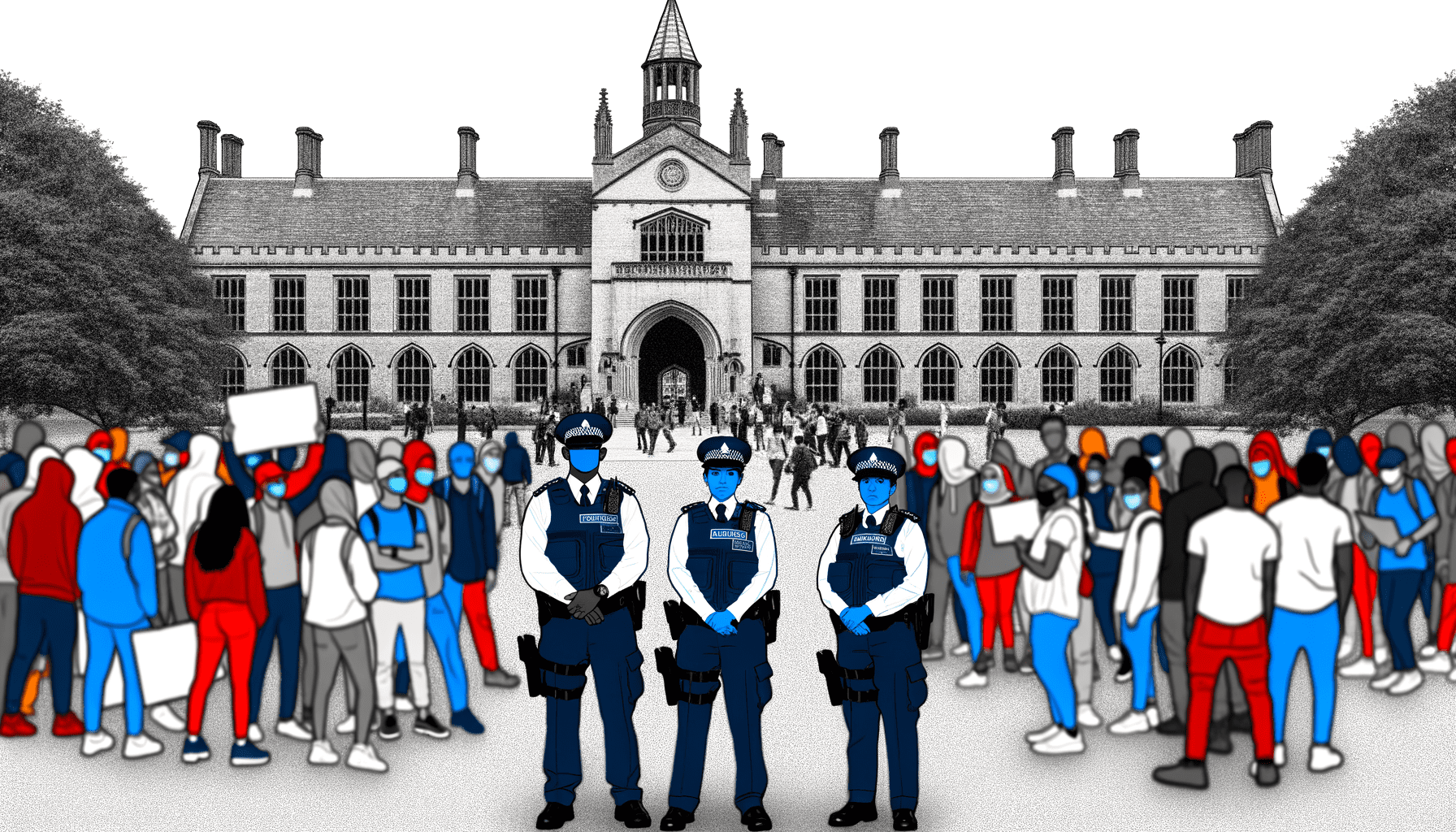
Amidst the uproar lies a contentious debate over the role universities should play in protecting student rights amid government crackdown. Columbia University itself has come under scrutiny, especially since Khalil’s arrest follows President Trump’s dramatic decision to slash $400 million in federal contracts over alleged failures in addressing antisemitism on campus.
Universities across the nation are watching closely, aware of the chilling effect Khalil’s arrest could have on campus debate. Michael Roth, president of Wesleyan University, noted that many academic institutions have adopted “institutional neutrality,” a strategy that he warns might be undermining genuine democratic dialogue. In a time when students’ rights to engage passionately with global and political issues are increasingly endangered, universities can no longer afford silence or inaction.
“Without courageous institutional support, campuses risk becoming places where fear silences debate, limiting the essential role of education in democratic societies.”
A Rising Tide of Civic Opposition
Though Khalil remains captive in an immigration detention center in Louisiana, the backlash against his arrest has grown louder and bolder. Organizations like the American Civil Liberties Union (ACLU), CAIR, and numerous human rights advocates have rallied passionately for his release, calling attention to the politicized nature of his imprisonment and raising pressing constitutional concerns.
Khalil’s plight resonates deeply within America’s broader sociopolitical context, which has seen alarming rises in xenophobia and Islamophobia, further exacerbated under the former administration’s hardline immigration policies. Progressive voices rallying behind Khalil emphasize the need for policies rooted in dignity, respect, justice, and constitutional accountability—values that transcend partisan lines.
Ultimately, the conversation sparked by Khalil’s detention underscores the urgent question: How America, as a democratic society, chooses to respond to disagreement and peaceful dissent. If public discourse is truly sacred in a democratic society, then activists like Mahmoud Khalil must be protected, not persecuted. Khalil’s case is not merely an isolated incident—it’s emblematic of a larger struggle over free speech, human rights, and America’s foundational identity as a land of opportunity and refuge.
Amid these profound questions, Khalil’s fate hangs uncertain—for him, his family, and for the countless students and activists who may fear speaking out if voices like his are muffled by force. The coming days and weeks will indeed test the strength of the ideals at the very heart of American democracy.
