
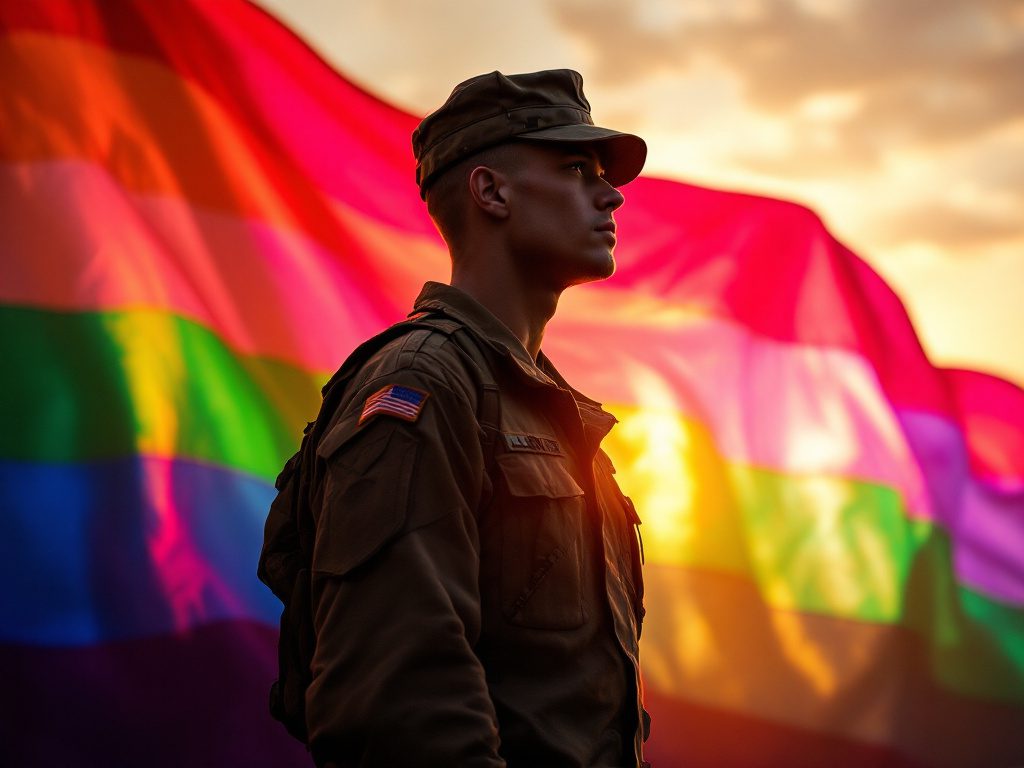
A Battle on the Bench: Challenging the Pentagon’s Transgender Ban
It started with a tweet, but it’s now at the heart of a constitutional showdown. When the Trump administration moved to ban most transgender Americans from serving in the U.S. military, the backlash was immediate and intense. At least three federal judges blocked the policy, and now, a federal appeals court—reshaped by recent conservative appointments—is digging into the legality and human impacts of this sweeping decree.
At the core of this deeply divisive controversy is a fundamental question: Should transgender individuals be allowed to serve openly in the armed forces, or does alleged military readiness justify their exclusion? Historians will remember how, just a few years ago, the Obama administration took bold steps to welcome transgender troops, labeling the move a milestone for LGBTQ rights and military inclusivity. The Trump-era reversal, by contrast, hit like a political earthquake, with major implications for thousands of service members and American values alike.
The revised Pentagon policy, issued under Defense Secretary Pete Hegseth, was not a simple roll-back—it was among the most aggressive exclusions in recent memory. This new rule barred anyone diagnosed with gender dysphoria from serving, ousted those already serving and unprotected by a grandfather clause, and compelled all others to serve in their biological sex regardless of gender identity. According to Judge Cornelia Pillard, the measure was rushed to implementation without the benefit of any independent expert or panel review. She and her fellow appellate judges repeatedly pressed government lawyers about why such a significant policy—one that upended countless lives—should become law without so much as a comprehensive analysis.
Arguments Under Scrutiny: Readiness or Discrimination?
Not all the judges seemed convinced by the administration’s rationale. The Justice Department attorneys insisted that the rule was only about gender dysphoria and its supposed incompatibility with military “deployability.” Yet, when asked for hard evidence or studies undergirding this claim, their answers fell flat. The appeals panel, echoing the earlier ruling of U.S. District Judge Ana Reyes, saw the policy as a solution in search of a problem—one that smacked of outright animus toward transgender people rather than serving a legitimate security interest.
Even some judges appointed under conservative administrations questioned how such a blanket exclusion could comport with constitutional protections. The administration relied on earlier precedents for deference to military policy, reminding the court that a similar ban had briefly taken effect before. However, as Harvard Law School’s Noah Feldman points out, historical deference does not give the executive branch carte blanche to trample equal protection principles—especially when the evidence supporting harm or cost is, at best, speculative.
Plaintiffs’ attorneys hammered this point home: there simply is no credible research or military consensus showing that allowing transgender individuals to serve undermines readiness, morale, or unit cohesion. The American Medical Association and myriad military experts—including former Chiefs of Staff—have concurred. According to a 2016 RAND Corporation study commissioned by the Pentagon itself, open service by transgender troops posed no meaningful risk to military effectiveness or health costs. The findings: Transgender service members are as capable and dedicated as any others in uniform.
“What this administration calls ‘military necessity’ increasingly looks like little more than legally sanctioned prejudice in camouflage. A blanket ban, unsupported by facts, does irreparable harm not only to transgender Americans but to our national promise of equality.”
The Larger Stakes: Rights, Power, and the Soul of the Military
Why does this fight matter beyond the courtroom? At stake is far more than one White House’s policy preference. For countless transgender Americans, military service offers a chance to contribute, belong, and fulfill a sense of duty—a right the Pentagon’s own previous leadership defended, citing diversity as a source of strength. Beyond that, the ban sends a chilling message: that some Americans are deemed less worthy, their patriotism suspect by virtue of their identity.
No military policy exists in a vacuum; each signals what our government values and whom it seeks to protect. If history teaches anything, it’s that arguments for exclusion—whether based on race, gender, or sexuality—rarely stand the test of time or hindsight. The 1948 integration of the armed forces shattered racist myths of unit cohesion. Don’t Ask, Don’t Tell ultimately gave way to full LGB inclusion. Conservative handwringing over supposed military “readiness” frequently dissolves when equality finally prevails—something echoed by the majority of Americans today, who, according to a recent Pew Research study, support open transgender service by more than 60%.
The specter of executive overreach looms as well. The administration has argued that military matters are for the president and Pentagon alone, with courts obliged to defer. Yet, as the appeals panel reminded the government, even the commander-in-chief is not above the Constitution. Judge Reyes wrote that the ban was “soaked in animus”—an unambiguous finding of discriminatory intent. Stripped of euphemism, the policy amounts to punishing Americans not for what they do but for who they are.
A closer look reveals that this struggle is about *whose* rights are first to be sacrificed when politicians reach for easy scapegoats rather than complex solutions. If the courts allow these transphobic policies to stand, what group is next? When will the promise of equal treatment cross party lines and truly become the law of the land?
Legal battles over the transgender ban represent a test of American democracy’s resilience. Will the judiciary uphold facts and constitutional values, or bow to the politics of suspicion and exclusion? All eyes on the DC Circuit—and soon, the Supreme Court—as this drama unfolds. American history, after all, remembers not those who wall off justice, but those courageous enough to tear those walls down.
