
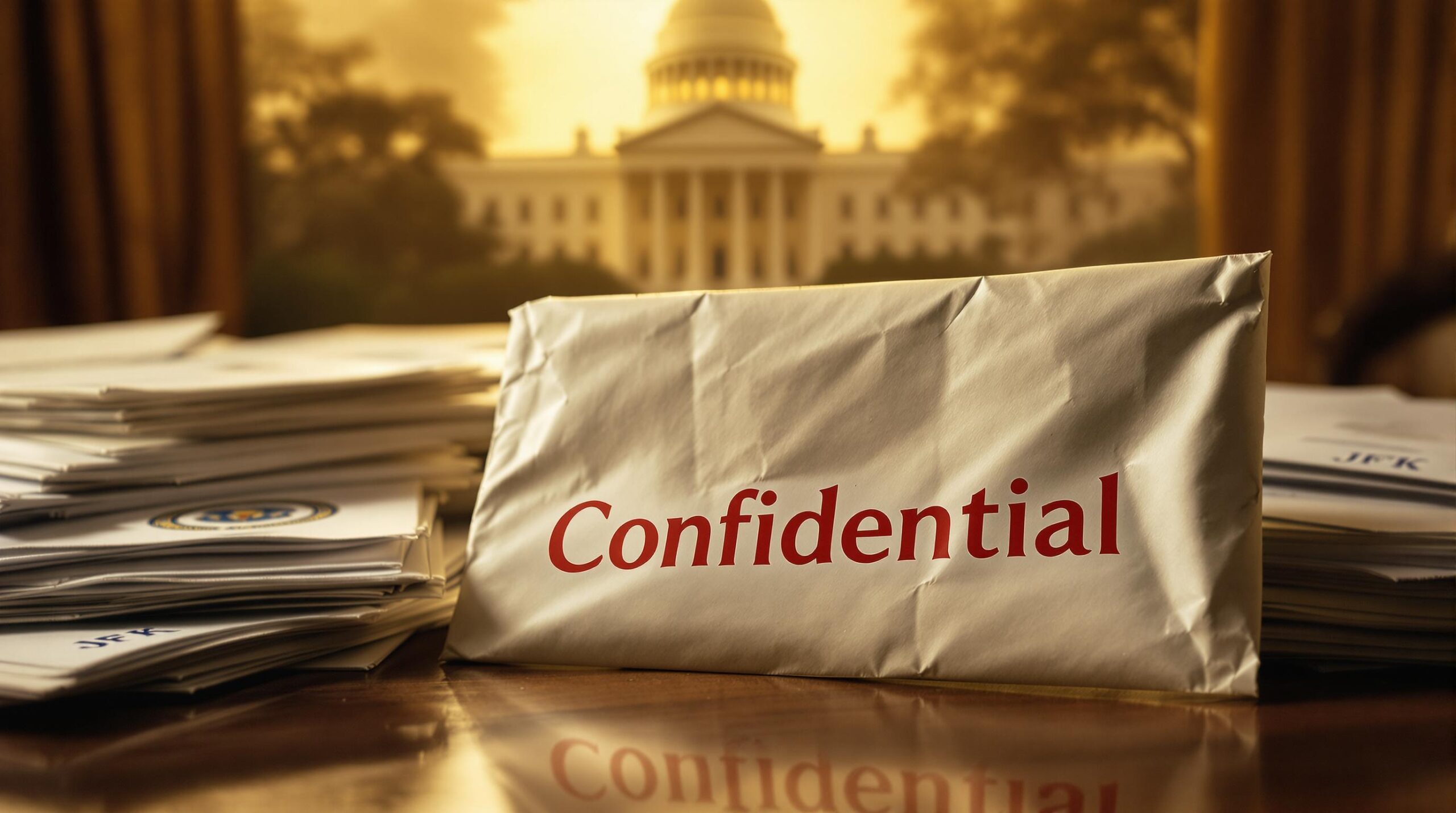
The recent release of previously classified documents related to the assassination of President John F. Kennedy by the Trump administration has ignited a major controversy-not over historical revelations, but disturbing privacy violations. This widespread release inadvertently disclosed sensitive personal details, notably the Social Security numbers of numerous former government officials and congressional staffers, sparking outrage and raising serious legal questions.
A Privacy Nightmare Unfolds
When President Trump authorized the release of over 60,000 pages of JFK-related documents, few anticipated that such transparency would come at the expense of individual privacy. The newly unredacted files, intended to illuminate entrenched historical mysteries, instead compromised the personal data of potentially hundreds, including former congressional staffers who were involved in previous investigations into the assassination.
At least two living former staffers, Joseph diGenova and Christopher Pyle, had their Social Security numbers and other personal details publicly revealed, putting these individuals squarely at risk of identity theft and other fraud. Joseph diGenova, notably a former campaign lawyer for Trump with a prominent career in Justice Department circles, quickly expressed his intention to sue the National Archives for what he described as an egregious violation of privacy.
The inadvertent exposure of such sensitive information raises compelling ethical questions: shouldn’t there be safeguards in place to protect people’s personal information, even within documents released for historical transparency?
Critics Condemn an “Unnecessary” Release
Privacy and national security experts rapidly joined the chorus of outrage, illustrating the broader implications of the administration’s oversight. Mark Zaid, a prominent national security lawyer, sharply criticized the move, describing the disclosures as “completely unnecessary,” pointing out emphatically that such revelations “contributed nothing to JFK assassination understanding.”
“This careless release was entirely preventable—and it puts innocent individuals directly in harm’s way,” stated Zaid.
Further fueling the controversy is the fact that many of the released documents had previously been made available with appropriate redactions. Hence, critics argue that the recent unredaction provided little value, instead wreaking havoc on personal privacy without advancing historical insights.
Legal Implications and Government Response
Facing immediate backlash, the federal government moved swiftly in damage-control mode. Affected individuals are now being offered credit monitoring services courtesy of the National Archives. Furthermore, authorities announced they are conducting a meticulous screening to identify all Social Security numbers revealed, presumably guiding efforts to issue new numbers to mitigate the fall-out from potential fraud.
Yet, for victims like DiGenova, these reactive measures barely scratch the surface. DiGenova vehemently criticized the process, remarking, “It should not have happened” and branding the debacle as “the result of incompetent people doing the reviewing.” His strong stance highlights the depth of anger among those whose personal details were carelessly handled, and foreshadows a potentially lengthy legal confrontation against government institutions for alleged violations of the Privacy Act.
Broader Trends in Declassification
Intriguingly, this controversy unfolds amidst a wider push by the Justice Department to expedite other declassifications, such as records related to the surveillance of Civil Rights leader Martin Luther King Jr. While transparency typically garners applause from progressives and historians alike, this incident demonstrates the delicate balance required.
Demands for openness must be tempered by steadfast adherence to privacy laws designed explicitly to prevent harm. Mistakes of this magnitude risk compromising trust in government archival processes, and fuel arguments by those who would prefer to keep uncomfortable historical truths buried under layers of governmental secrecy.
As progressive citizens, we must hold political leaders accountable, ensuring they responsibly balance historical transparency with rigorous adherence to privacy standards. The careless exposure highlighted by this incident serves as a potent reminder that transparency without due diligence can inadvertently harm innocent individuals.
This controversy should galvanize a broader conversation: how can we ensure earnest accountability and thoroughness from our national archives and government officials when handling sensitive historical documents? Future transparency efforts must be informed by a robust framework that safeguards privacy, preventing unnecessary harm.
The JFK files were released to foster historical transparency. Instead, through sheer carelessness, they have sparked a crisis. Let this incident serve as a stern warning that, in our essential quest for truth, meticulous care and respect for individuals must remain paramount. Only with informed, responsible transparency can we truly honor the legacies we seek to uncover and protect the rights of all individuals involved.
