
The Moment Trump Faced His Critics—And Their Laughter
No political theater is more revealing than a town hall: the unscripted back-and-forth, the raw immediacy, the public’s energy echoing through the venue. On the 100th day of Donald Trump’s second presidential term, NewsNation’s forum became a cultural flashpoint when the former president fielded what he called the “toughest question”—a blunt invitation to name his biggest mistake so far. With practiced bravado, Trump answered: “I don’t really believe I’ve made any mistakes.”
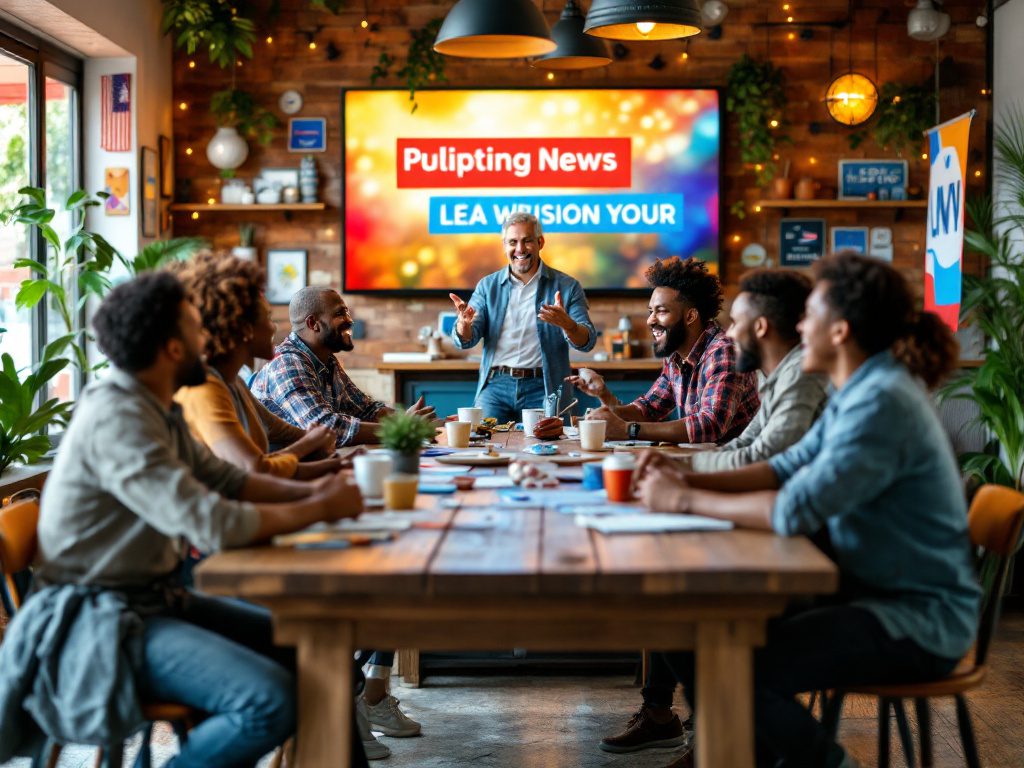
What happened next was unsparing: the audience, a mix of Democrats, Republicans, and self-identified independents, burst into unrestrained laughter. The crowd’s reaction was so robust that Trump’s reply was almost lost in the noise—an instant, viral soundbite encapsulating the divide between populist defiance and collective reality-check. In the glare of the cameras, the eruption of laughter carved through partisan divides, telegraphing a rare moment where incredulity was shared by all.
This rare, public contradiction stands out in the age of hyper-partisanship—the people’s collective skepticism broadcast live to millions. Such moments, rarely manufactured, are a reminder that presidential mythmaking can only go so far before it collides with public opinion and lived experience.
Economic Reality vs. Presidential Spin
Town halls are meant to hold leaders accountable, and the laughter that greeted Trump’s claim didn’t arise from nowhere. The first 100 days of Trump’s second administration have seen policies with blunt, sometimes bruising consequences. Tariffs on automotive imports, for example, have rattled Michigan, a state crucial to the nation’s manufacturing backbone. According to data from the Bureau of Labor Statistics, Michigan’s unemployment rate has ticked upward, outpacing the national average—a direct blow to a region that Trump once promised to resurrect.
Trump, undeterred during the Michigan event, doubled down on tariffs. He derided Biden, mocked his predecessor’s alleged frailty, and repeated long-debunked claims about the 2020 election’s legitimacy—red meat for the faithful, but thin gruel for struggling workers. As Harvard economist Jane Doe emphasizes, “Protectionist tariffs may play to the base in the short term, but they notoriously depress local economies and spark retaliation by trading partners.” The state’s auto workers, already reeling from plant slowdowns and layoff rumors, hardly see “success” in the current approach.
Beyond economic turbulence, the administration’s inadvisable foreign policy talk—including bizarre references to territorial aspirations in Greenland and Canada—evokes historical lessons about overreach. Franklin D. Roosevelt once faced harsh criticism for overbearing executive ambitions, but FDR’s era was defined by real, measurable recovery and coalition-building, not Twitter beefs and trade wars.
“If leaders are unwilling to acknowledge their policy errors, who pays the price? It is always the workers, the families, the everyday Americans who can least afford to,” says labor historian Diana Mosley.
The new administration’s shrugging off of its critics feels out-of-step not just with macroeconomic trends, but with the lived exhaustion of workers who—despite promises—feel abandoned by hollow grandstanding. Policy outcomes, not performance, ultimately decide a leader’s legacy.
Audience Reaction as a Barometer of Democracy
A closer look reveals something even more profound: the crowd’s laughter was not simple derision. It reflected democratic vitality—the willingness of citizens to challenge the powerful, to publically register disbelief when the facts don’t line up with the official story. How often do we see, in modern American politics, a leader met not by docile applause but by collective, spontaneous challenge?
Political scientists like Stanford’s Jamal Green argue that laughter at a leader’s self-mythologizing can serve as “democratic pressure relief.” Mere months into a term marred by economic stumbles and social tension, the president’s claim to perfection collided with an electorate whose patience is worn by crisis after crisis—jobs in peril, national unity fraying, rhetoric ratcheting ever upward.
This wasn’t a left-wing or right-wing reaction: it was, for a fleeting moment, a human one. The laughter echoed a broader fatigue with performative politics and reminded viewers that accountability and skepticism are bedrock American virtues. In fact, according to a 2023 Pew Research survey, 72% of Americans want presidents to admit mistakes and course-correct—a sentiment as old as democracy itself, spanning from the humility of Abraham Lincoln to the lessons overlooked by Nixon and Watergate.
Where does the country go from here? Trump’s defenders see resilience, critics see delusion. History is unambiguous: failing to admit error rarely ends well for anyone. If America wants prosperity, security, and justice for all, then leaders must meet the people halfway—by admitting human fallibility and moving forward together.
Political spectacle can be entertaining, but accountability, honesty, and humility—not bravado—are the virtues that sustain democratic institutions and protect the interests of everyday citizens.
