
A Clash Beneath the Straits: Michigan’s High-Stakes Pipeline Battle
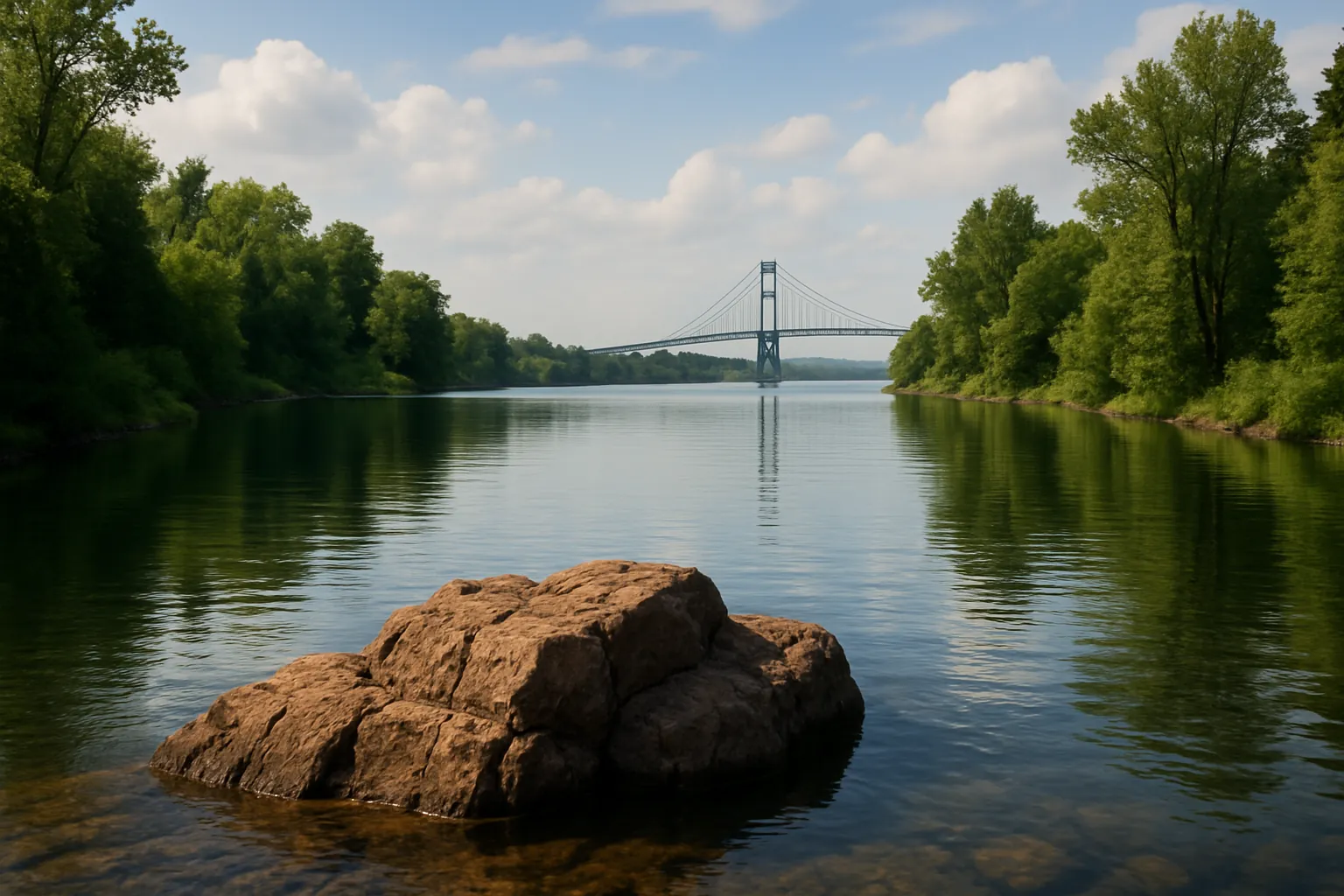
In the heart of the Great Lakes, a legal drama with profound consequences for tribal sovereignty, environmental protection, and the future of American energy policy is poised to play out in Michigan’s highest court. The Michigan Supreme Court has agreed to review a challenge against the proposed tunnel for Enbridge’s Line 5 oil pipeline beneath the Straits of Mackinac—a narrow but vital corridor connecting Lakes Michigan and Huron. The outcome could shape the health of the world’s largest fresh water system, set precedents for tribal treaty rights, and determine whether fossil fuel interests can operate with near-impunity, even in the shadow of mounting climate warnings.
Environmental advocates and Native leaders have drawn a clear red line: The tunnel project, they argue, isn’t just an engineering feat—it’s a potential environmental disaster, threatening the water, wildlife, and ways of life for millions in the region.
At the center of this legal storm is the Michigan Public Service Commission’s (MPSC) 2023 decision to approve Enbridge’s plan for a 3.4-mile tunnel, intended to house the aging dual pipelines that currently transport up to 23 million gallons of oil and gas daily through open water. These pipelines, themselves already under a contentious 2020 shutdown order from the state, epitomize a familiar crossroads: corporate promises of economic stability versus the lived realities of environmental risk, all in an era when Indigenous voices are demanding rightful consideration.
Tribal Treaties, Environmental Law—and Unheard Voices
A closer look reveals the court challenge isn’t just about permits or pipelines. Plaintiffs, representing the Bay Mills Indian Community, the Little Traverse Bay Bands of Odawa Indians, the Grand Traverse Band of Ottawa and Chippewa Indians, and the Nottawaseppi Huron Band of Potawatomi, contend that the tunnel’s approval violated bedrock state laws—namely the Michigan Constitution and the Michigan Environmental Protection Act. Their claims center on the MPSC’s failure to adequately consider the sacred status of the Straits, as well as the existential threat of oil spills to tribal treaty-protected fishing grounds, waters, and lands.
According to court records, the Commission omitted crucial testimony from the Bay Mills Indian Community regarding the project’s impact on their rights and traditions. This is more than a technical oversight—it’s a window into the broader pattern of erasure Indigenous communities face in regulatory processes. “Ignoring tribal input on stewardship of the Straits is the latest example of environmental injustice,” says Earthjustice attorney Molly Flanagan, representing the tribes in their appeal. Such omissions carry lasting consequences, perpetuating a system where corporate expedience trumps both legal and moral obligations to affected communities.
“This case isn’t just about a pipeline or a tunnel—it’s about who gets to decide the future of Michigan’s water, the Great Lakes, and tribal ways of life.”
Beneath legal jargon lies a pressing reality: aging infrastructure like Line 5 continues to operate even after state-ordered shutdowns, raising the specter of catastrophic spills. The infamous Kalamazoo River disaster of 2010—a rupture from another Enbridge line—dumped over a million gallons of tar sands crude into fragile waters, incurring cleanup costs exceeding $1.2 billion. Given that legacy, opponents argue, any new infrastructure investment that prolongs fossil fuel dependency in the Great Lakes region constitutes a reckless gamble with public health and environmental stability.
Harvard Law environmental scholar Ann Carlson puts it bluntly: “We know what’s at stake—these are some of the most valuable freshwater resources on earth. The risk calculus should always err on the side of precaution and justice.”
Federal Power Plays and Michigan’s Crossroads
The controversy surrounding Line 5 has not remained confined to state borders. Under President Donald Trump, the Department of Justice intervened, insisting that Michigan’s efforts to shutter the pipeline infringe on federal control over both energy policy and foreign affairs. Their position highlights the heavy-handed approach favored by conservatives: prioritizing energy supply and corporate profit over local self-determination and ecological safety, even when that means pushing aside legitimate state and tribal concerns.
Yet history offers sobering lessons. From the BP Deepwater Horizon catastrophe in the Gulf of Mexico to decades of pipeline spills across North America, disasters are often preceded by government assurances and regulatory blind spots. The sense of déjà vu is palpable—how many times must communities relearn the consequences of tilting decision-making in favor of industry without full accountability?
With Enbridge still needing approvals from both Michigan and federal agencies, the unfolding Supreme Court case will be a litmus test for the state’s leadership. Will Michigan honor legal commitments to tribal nations, fortify climate action, and set a progressive template for water stewardship? Or will it fall, yet again, to the pressures of status-quo energy giants and their allies in Washington?
Polling consistently shows that Michiganders value the Great Lakes as a defining part of their identity and economy. According to a 2023 Pew Research Center survey, over 70% of voters in the state oppose new oil transport routes near the lakes, citing environmental vulnerability as their chief concern. Yet conservative lawmakers often dismiss these anxieties, framing pipeline opposition as an affront to national security or economic stability—a narrative consistently challenged by economists like University of Michigan’s Dr. Mark Barteau, who points to the job and innovation potential of clean energy alternatives.
Beyond that, the moral and political dimensions are inescapable. Will we allow extractive industries to hold hostage the ecosystems and rights of those least responsible for environmental harm? Or is this the moment where a progressive, inclusive vision of energy and environmental justice prevails—one that heeds the wisdom of history and the voices from the water’s edge?
