
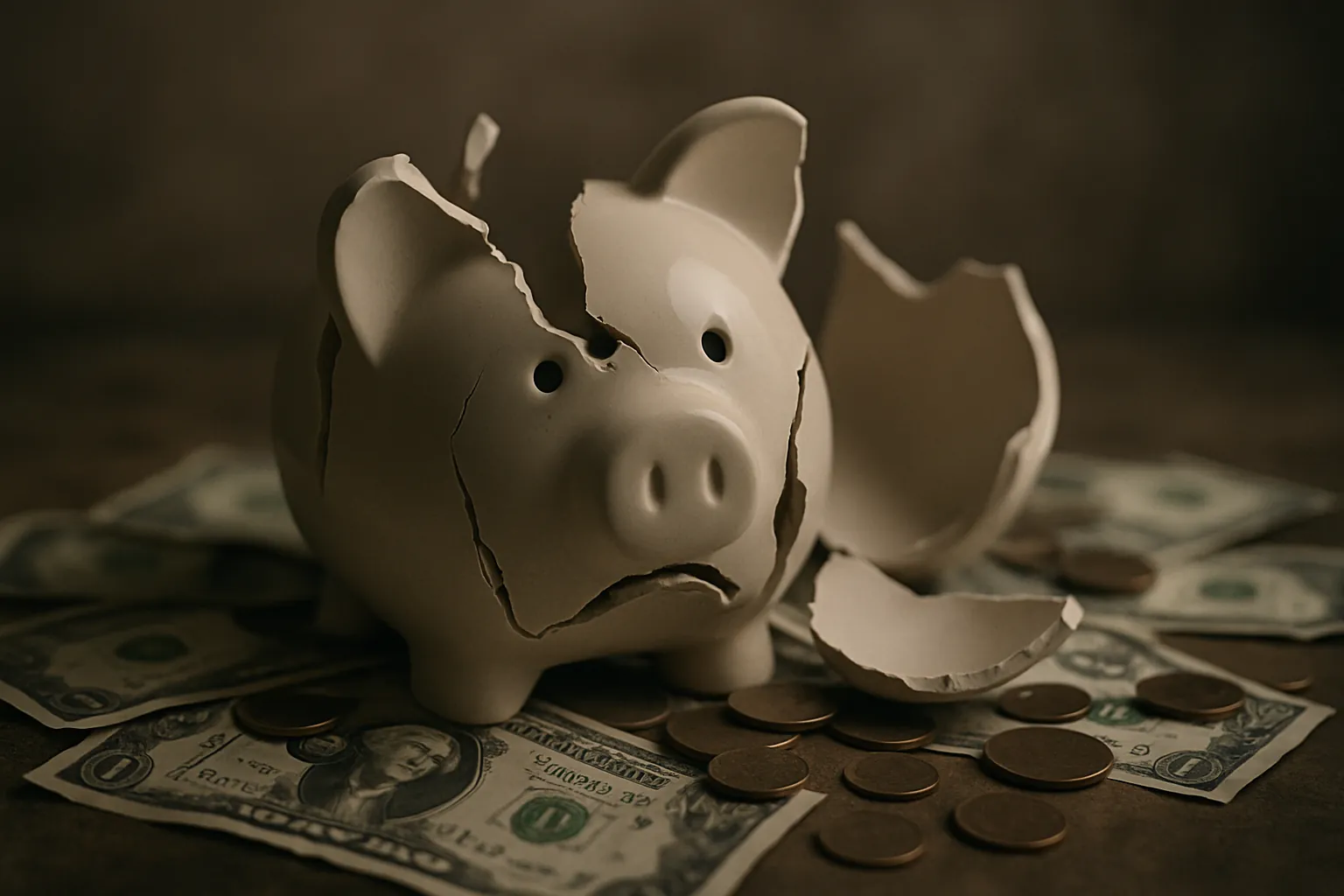
The Dark Side of Relief: Pandemic Fraud on an Unprecedented Scale
A global pandemic, government relief efforts, and unprecedented sums of taxpayer money—these elements collided in 2020 and beyond, opening floodgates to fraud that has cost Americans dearly. Few stories illustrate this betrayal of public trust as brutally as those emerging from Florida and Texas, where individuals and corporations exploited the chaos for personal enrichment. The numbers are staggering: over $130 million siphoned from programs designed to cushion the nation’s most vulnerable.
Lino Mallari Gutierrez, better known in Florida healthcare circles as “Joe Gutierrez,” was sentenced to more than 17 years in federal prison for masterminding a $10.8 million Medicare fraud. His scheme, unspooling like a plot from a Hollywood thriller, involved fake companies, bogus doctors’ orders, and layers of kickbacks and money laundering. But the real victims are the low-income seniors and sick folks who rely on Medicare’s integrity—a trust Gutierrez shredded to line his own pockets.
It wasn’t only Medicare under assault. Robert Hopta, a South Florida pharmacy owner, faces federal charges for allegedly obtaining nearly $10 million in inappropriate Medicare reimbursement for COVID-19 test kits that patients never asked for—using stolen personal information and bribes to grease the gears. According to federal prosecutors, Hopta transformed the pandemic’s chaos into an illicit gold rush, demonstrating how weak oversight can yield staggering, real-world harm.
Stories like these aren’t confined to one state. Olamide Olatayo Bello, from Texas, orchestrated a vast wire fraud and money laundering conspiracy, bilking pandemic relief programs intended for small businesses out of millions. Through phony paperwork and brazen deceit, Bello amassed personal fortunes while honest businesses languished.
These aren’t just numbers on a spreadsheet. The scale and audacity of the fraud reflects a moral crisis at the heart of our policy response. When public funds become easy pickings, the people who lose out first are those with the least.
How Greed Exploited the Social Safety Net
A closer look reveals these crimes as more than run-of-the-mill scams—they’re attacks on the very concept of the social contract. The FCC’s Lifeline program, targeted by Florida telecom mogul Issa Asad and his company Q Link Wireless, illustrates what’s at stake. Lifeline was meant to bridge the digital divide for low-income Americans, offering discounted phone and internet service so the disadvantaged could work, study, or access emergency care.
Instead, Asad orchestrated a years-long ruse, engineering fake cell phone activity and threatening customers with false claims about losing Medicaid or food stamps to keep them enrolled. Q Link Wireless then bilked the government for more than $109 million in unearned subsidies, a scheme as cruel as it was lucrative.
The end result? Hundreds of thousands of struggling Americans left with unreliable service or none at all, as vital resources intended for them fattened corporate bank accounts.
“When government lifelines become vehicles for private enrichment, trust in our institutions erodes—and the most at-risk communities pay the highest price.”
Dr. Gabriel Zucman, renowned inequality scholar, warns that unchecked fraud doesn’t just waste money; it sabotages the public’s belief in the efficacy of government. “If Americans see those in need getting left behind while grifters walk away with millions, support for any kind of social investment crumbles,” he notes in The Atlantic.
Unemployment programs, too, were quickly swarmed. In upstate New York, Frederick Hollingshed abused COVID-19 jobless claims by using stolen identities and digital sleight of hand. Through a combination of technical shortcuts and brazen self-certification, he collected more than $16,000 before investigators—using digital fingerprints like matching IP addresses and duplicate phone numbers—caught him. While the dollar figure pales in comparison to other cases, it signals a wider vulnerability that bad actors were all-too-eager to exploit.
As the scam artists got richer, everyday Americans faced longer lines, slower services, and skepticism from agencies now forced to treat legitimate claimants as potential fraudsters. No progressive values can endure when trust in government is eroded at this scale.
A Reckoning: Policy Failures and the Path to Restoring Trust
How did it come to this? Experts like Harvard political scientist Theda Skocpol point to decades of conservative deregulatory policies and budget cuts that left federal agencies “hollowed out and ill-equipped for modern oversight.” The Trump administration’s rush to distribute COVID-relief funds, though understandable in crisis, came with shocking lapses in accountability—an open invitation for grifters.
When oversight is demonized as bureaucratic red tape, it’s the public who foots the bill.
A lack of investment in modern fraud detection and human capital enabled these large-scale crimes. According to a 2022 Government Accountability Office report, up to $100 billion of pandemic relief funds were potentially lost to fraud—numbers that dwarf the amounts recaptured so far. Law enforcement “wins” like Operation Brace Yourself (the takedown of Medicare DME fraud rings) may look reassuring, but they can’t turn back the clock for families who lost benefits or watched social programs starved of resources.
Beyond that, these cases are not just cautionary tales of rogue individuals. They’re mirror reflections of what happens when ideology trumps good governance. The conservative push for smaller government may sound reasonable until vulnerable Americans have to ask—as they will again—why help doesn’t reach those who need it most in times of crisis.
If progressives believe in a government that works for the common good, then building it requires investing in robust oversight, transparency, and a public sector capable of defending itself—and its charges—from exploitation. Only then will lifelines like Medicare and pandemic relief achieve their noble purpose. Only then can we start to restore the faith shattered by this era of scandal.
