
Political Accountability or Weaponization? A County Faces Its Crisis
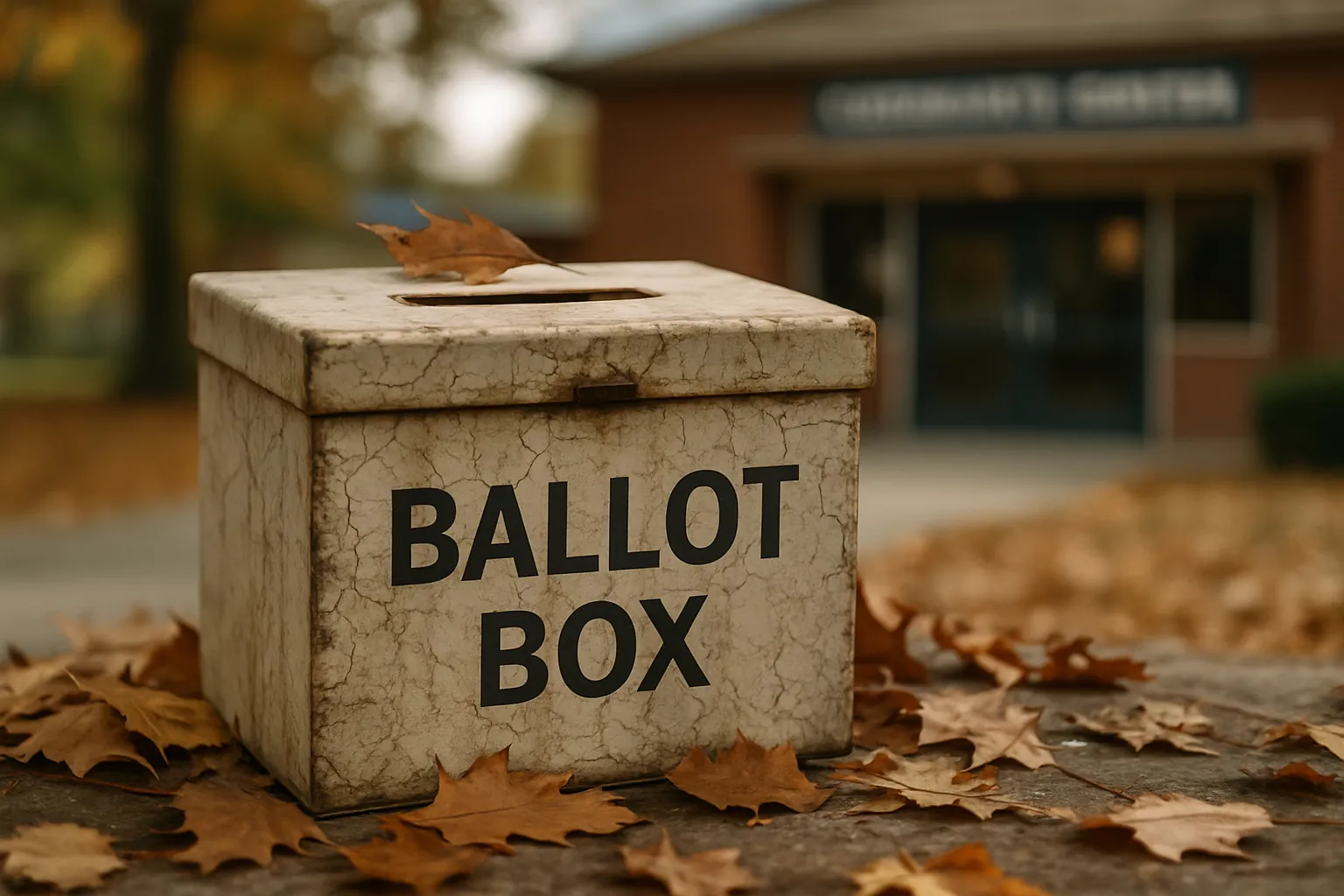
The thunderclap of a grand jury indictment echoed through St. Louis County government this week, sending ripples far beyond the region’s patchwork of leafy suburbs and bustling business districts. The charges: Two felonies and two misdemeanors levied against County Executive Sam Page, accused of misusing more than $25,000 in public funds to oppose a ballot measure—Proposition B—that would have given the county council power to fire department heads.
What animates this controversy is not just the indictment of a sitting executive, but the deeper question of how public officials steward taxpayer trust—and what happens when that trust teeters perilously on the edge. Missouri Attorney General Andrew Bailey, stepping in after a conflict of interest sidelined local prosecutors, made the stakes clear: public funds for political purposes aren’t just poor governance—they’re a crime. The investigation, which has already resulted in the seizure of devices like Page’s iPhone and multiple subpoenas, highlights the granular mechanics of government oversight, but also the broader vulnerability in the system when expediency overshadows ethics.
The specifics are not in dispute. According to court documents, Page’s office authorized the printing and mailing of approximately 55,000 postcards to voters—down from a list of over 100,000—at a cost engineered to evade the competitive bidding process, staying under the $5,000 threshold. Yet the real fiscal sleight-of-hand came in the postage: County funds were tapped at $0.56 per piece, nearly 38% above the printer’s bulk rate, costing taxpayers an extra $8,000. Critics see a cynical manipulation of process, exacerbated by the use of taxpayer dollars to influence an election.
The Fine Line Between Information and Advocacy
Ask any seasoned public administrator or political scientist: Effective governance relies on transparency, but history is littered with examples of those who blurred the lines for institutional convenience. Sam Page and his legal counsel, Jeff Jensen, maintain their innocence. Jensen insists, “We do not believe any laws were violated,” while Page—who has vowed to pay his legal fees personally—casts the mailers as “informational,” not advocacy. It’s a line of defense that echoes debates nationwide about the legitimate use of government communications in election contexts.
What, precisely, was in these mailers? The messaging detailed arguments against Proposition B, warning of risks should the council be granted expanded hiring and firing authority. To some, that’s neutral education; to others—particularly those who pay close attention to local power struggles—it is unmistakably political. The Missouri Constitution is explicit: public funds must not be used for campaigning. Yet when the machinery of local government turns inwards on itself, the distinctions become more than semantic.
County council members have seized upon the situation. Councilwoman Shalonda Webb has formally demanded transparency about subpoenas and warrants, hinting at the broader frustration among local leaders over both the substance of the charges and the process by which they’ve come to light. Councilman Dennis Hancock and others are openly questioning the ethical guardrails (or lack thereof) in current policy. The issue has fast become a crucible for broader anxieties about accountability and the temptation for those in power to “educate” their way right into advocacy.
“When public funds are marshaled to tilt the playing field, even the appearance of impropriety can poison public trust—something democracy cannot afford.”
Such warnings aren’t hyperbole. According to a 2023 Pew Research Center study, confidence in local government integrity has cratered in the last decade, with misuse of public funds a top-cited concern. Incidents like this only deepen the fissure.
The Conservative Playbook: Weaponizing Oversight or Seeking Justice?
It is impossible to ignore the broader political undercurrents churning beneath the surface of this case. Missouri Attorney General Andrew Bailey—a figure with distinct conservative credentials—has framed the indictment as a crusade for “accountability against corruption.” Yet progressives are right to question whether Republican law enforcement is truly defending democracy—or seeking to weaponize prosecutorial muscle against a key Democratic officeholder in a fiercely divided state. The specter of selective enforcement hangs over the proceedings: Who decides where politics ends and criminality begins?
The tension is palpable. Republican-led states have increasingly invoked criminal statutes against Democratic officials, echoing a nationwide pattern where the machinery of law becomes a tool for partisan gain. Yet, as legal scholar Kathleen Clark of Washington University in St. Louis has pointed out, “Vigorous oversight of campaign-related spending is essential, but it must be evenhanded and free from political vendettas if public confidence is to be rebuilt.” So far, there’s little evidence of such balance when conservative talking points drive headlines and investigations alike.
Beyond that, the stunt tactics exposed in the mailer debacle—reducing recipient lists to evade bidding, manipulating postal costs, hiding the intent—should sound alarms for any advocate of ethical government, regardless of party. It’s not just about what laws were broken, but what values were betrayed. The specter of disenfranchising voters, not through ballot access but through misleading government messaging funded by the very people it seeks to sway, strikes at the core of democratic fairness.
The Road Ahead: Restoring Credibility and Guarding Democracy
The fallout is already reshaping the landscape: Council meetings now bristle with tense exchanges, while faith in the county’s elected leadership falters. No matter the legal outcome—acquittal, plea, or conviction—the damage to the public’s sense of fair play and transparency may linger for years. As the investigation continues, the county’s challenge will be to fortify oversight so that taxpayers are protected from future abuses—intentional or not.
What’s needed now isn’t just a legal reckoning, but a cultural one: a robust conversation about how to ensure public information campaigns remain factual, nonpartisan, and above suspicion. For voters, this is a stark reminder: Democratic systems, from county office to Capitol Hill, depend on the vigilance—and ethical clarity—of those we choose to lead. Will St. Louis County seize this moment to become a model of reform, or will it simply reinforce the cynicism that has already taken root?
To those watching from afar, the case may appear parochial. But each county, city, and township stands only a few decisions away from its own version of this crisis. Democratic health isn’t maintained by default; it’s earned—and re-earned—one test at a time.
