
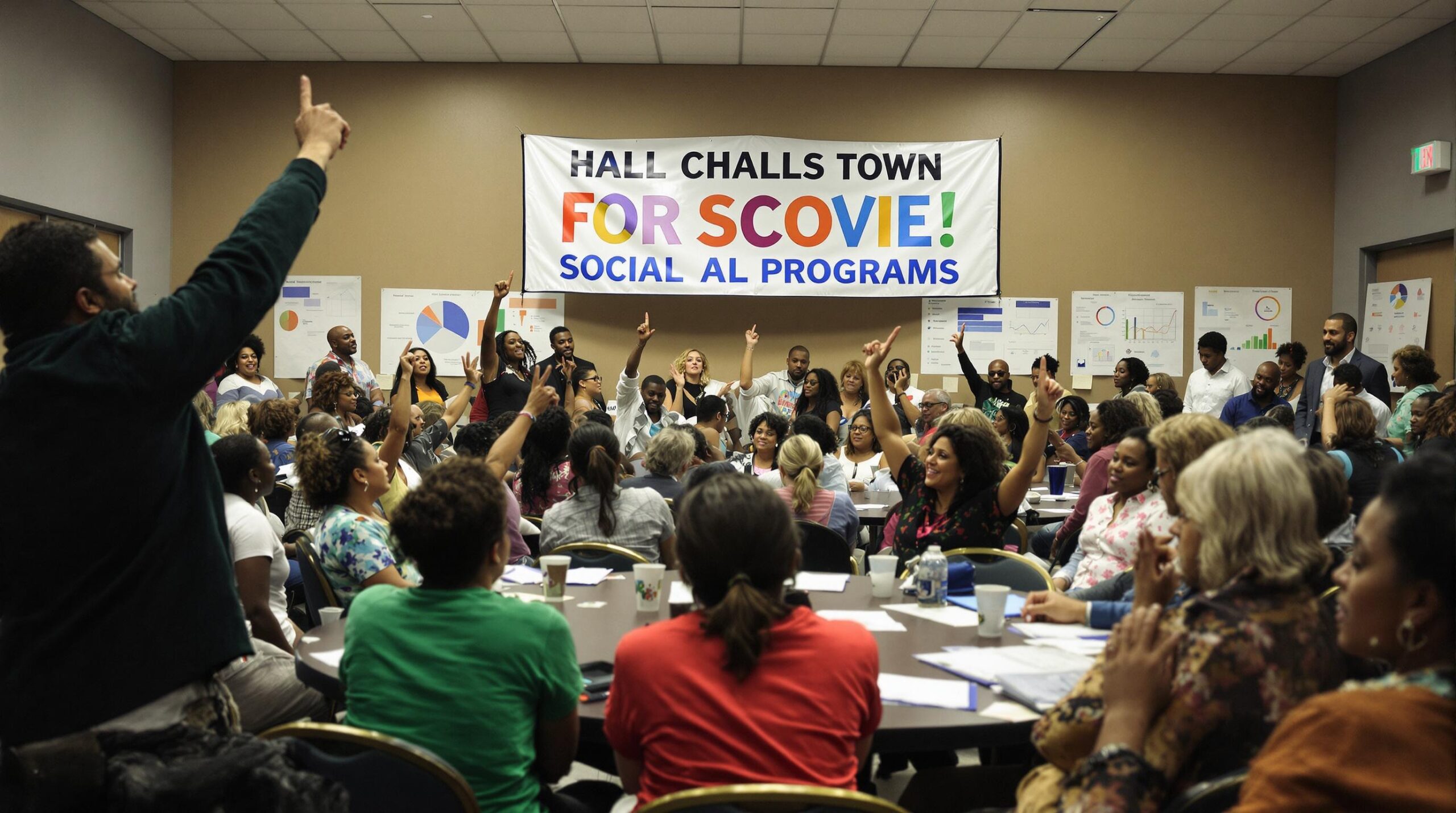
When Nebraska’s Congressman Mike Flood came to a town hall in Columbus, he might have expected some passionate exchanges, but what unfolded was a potent demonstration of grassroots frustration. The room quickly filled with chants of “tax the rich,” signaling the deep division and burgeoning anger among constituents especially when Flood voiced his firm support for Elon Musk and President Trump’s controversial economic agenda.
Social Programs Under Siege
At the heart of the town hall conflict were funding cuts targeting cherished safety nets like Medicare, Medicaid, and Social Security. These programs represent lifelines for millions of Americans, particularly seniors and the economically vulnerable. The proposed cuts associated with Trump’s Department of Government Efficiency (DOGE)—spearheaded by Musk—are perceived by some voters as callously indifferent to the hardships everyday Nebraskans could face.
Constituents repeatedly pressed Flood about his stance on budget cuts and his allegiance to Musk, who they argued holds enormous conflicts of interest, receiving billions in federal contracts. One attendee bluntly asked why Flood didn’t see Musk’s position as problematic, given that he directly profits from government decisions. The crowd’s thunderous applause emphasized the suspicion and dissatisfaction many feel about connections between affluent corporate interests and their representatives in Washington.
Controversial Remarks on Ukraine Spark Further Anger
Adding fuel to the fire was Flood’s contentious position on Ukraine’s President Volodymyr Zelensky. His previous criticism of Zelensky as ‘disrespectful’ drew severe backlash. Many constituents wondered aloud if their representative’s priorities lay not in protecting American values abroad, but in echoing partisan talking points. The tension in the room captured a growing discomfort among Nebraskans who see the undermining of democratic allies as an unfortunate hallmark of today’s GOP, emphasizing partisanship over principled action.
Flood appeared caught off guard by his constituents’ fervor, especially when pressed to clarify his curious juxtaposition of supporting Musk’s self-interested policies while castigating Ukraine’s leadership. Voters questioned vigorously how such seemingly hypocritical stances could coexist.
Transparency or Political Calculation?
Despite the fervent criticism, some commentators and town hall attendees noted that Flood at least deserves credit for engaging publicly. Unlike some Republican lawmakers who have skipped public meetings entirely amid similar backlash, Flood’s decision to face voters directly was seen, paradoxically, as a mark of commitment to accountability.
But voters aren’t simply appeased by the act of engagement. Many expressed clear dissatisfaction with the substance of his positions. Housing activist Julia Morrison observed after the town hall, “It’s good that Congressman Flood came out to listen, but listening doesn’t pay our medical bills or save our social security checks.”
“Listening doesn’t pay our medical bills or save our social security checks.” – Housing activist Julia Morrison
Indeed, this point underscores the crux of the opposition voiced at the town hall: constituents demand not just conversation but tangible policy changes that protect the interests of everyday Americans rather than wealthy elites. Flood’s willingness to discuss pressing issues publicly does not negate his critics’ fundamental frustrations with his adherence to policies that demonstrably favor the rich.
A Growing Pattern of GOP Disconnect
Flood’s experience in Nebraska is not isolated. Republican lawmakers nationwide face similar encounters, signaling a broader trend. These tense, passionate town halls are becoming stages on which Americans loudly express rejection of policies perceived as detrimental both economically and socially.
History shows us that when politicians grow disconnected from the realities of their constituents, political upheaval soon follows. We’ve seen this story unfold before, historically with politicians who prioritize powerful interests over the welfare of ordinary citizens. Flood’s town hall is just the most recent example in a series of political dramas playing out across America as Republican lawmakers wrestle to justify policies increasingly seen as morally outdated and fiscally irresponsible.
Progressive solutions focused on economic fairness, social justice, and investment in public welfare stand as clear and constructive contrasts. As these town hall events vividly illustrate, the challenge facing Republican lawmakers is not simply public relations; it’s policy. Until representatives like Flood recalibrate their priorities to genuinely align with the needs of their constituents, such tempestuous interactions will likely continue—and intensify.
The residents of Columbus, Nebraska, were loud and clear: politics as usual simply won’t cut it anymore. They want change. Whether Congressman Flood heard them remains to be seen.
