
Fear on the Homefront: New York Reacts to Distant Conflict
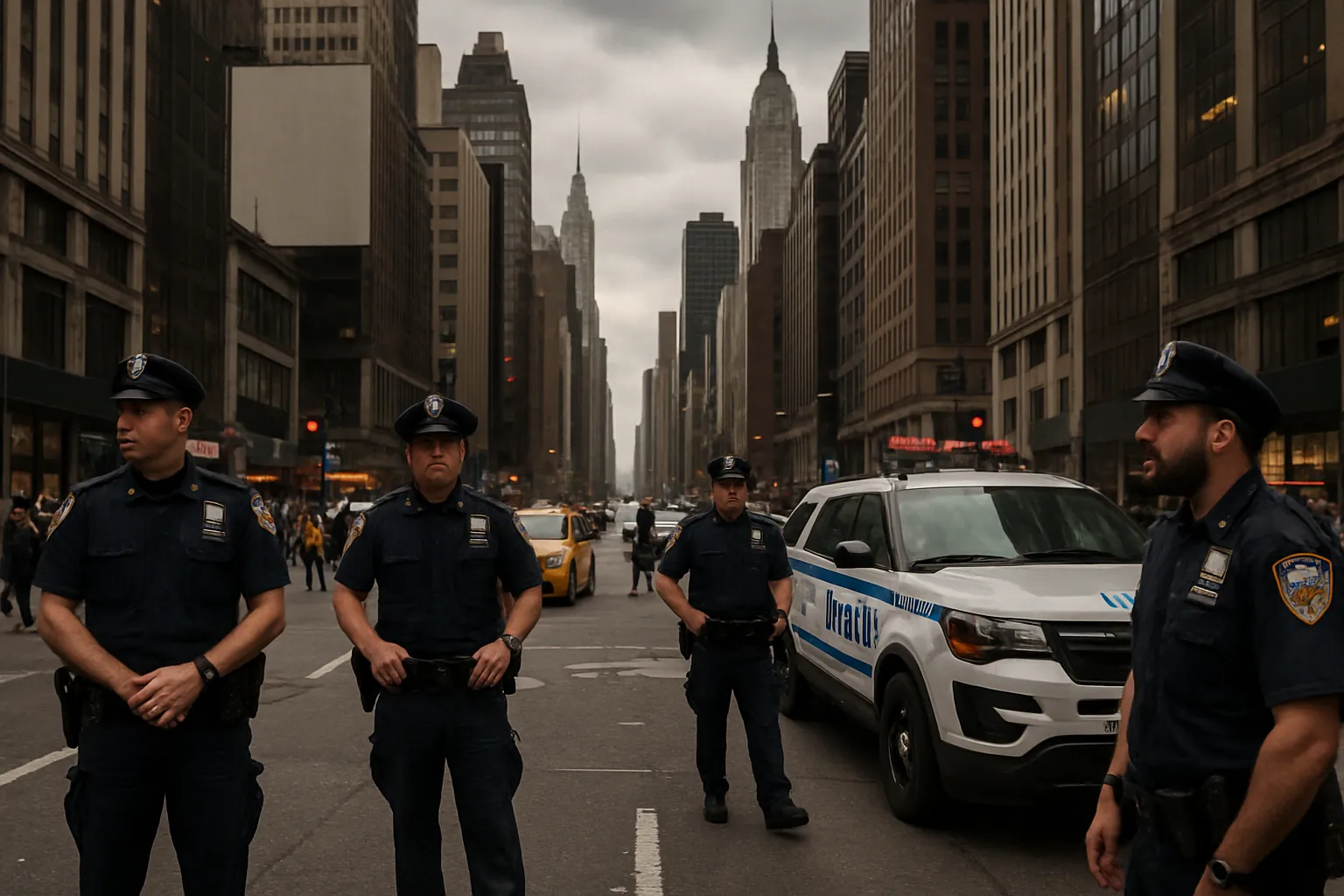
On a quiet morning, an unmistakable anxiety settled over New York City as news broke of an Israeli airstrike targeting Hamas leadership in Qatar’s capital. For many, the violence overseas can feel painfully remote—until it collides with daily life at home. In response, the New York Police Department (NYPD) swiftly ramped up its visible security footprint, dispatching additional officers to religious, cultural, and diplomatic sites citywide. The move, meant to safeguard New Yorkers from the specter of possible “spillover” violence, captures a recurring challenge: how does a city as diverse and globally connected as New York reconcile local security with distant wars?
According to Police Commissioner Edward Caban, “There is no specific or credible threat to New York City at this time.” Yet, the force’s decision to step up patrols came out of what officials termed “an abundance of caution.” That term, familiar to New Yorkers who have experienced the aftermath of September 11th and countless international flashpoints since, is not without substance. Muslim, Jewish, Christian, and other communities often feel the ripple effects of overseas conflict, sometimes manifesting in hate crimes, harassment, or simple unease.
Historical Parallels and a Pattern of Vigilance
The NYPD has long reacted proactively to geopolitical unrest, viewing such events as both global and local security issues. Whether it was after the outbreak of war in Gaza in 2014, or the string of terrorist attacks throughout Europe and the Middle East over the past two decades, the department’s pattern has been clear: increased visibility at sensitive sites, expanded communication with federal authorities, and public reassurances of safety.
This time is no different. In addition to stepped-up patrols at synagogues and mosques, officers now stand guard at iconic infrastructures—think bridges, tunnels, and transit hubs—casting a wide safety net. The goal is to deter would-be copycats or opportunists, who, fueled by online misinformation or bigotry, might seize on global headlines to justify local action. A report by the Anti-Defamation League notes that “spikes in Middle East violence have frequently coincided with rises in hate incidents in the U.S.,” underscoring the wisdom of such vigilance.
A closer look reveals the fragility of community trust in these moments. Jewish New Yorkers, many still traumatized by the October 7, 2023, Hamas attacks and the subsequent wave of antisemitic incidents, find themselves eyeing entrances and exits with renewed wariness. Muslim communities, all too often scapegoated or unfairly scrutinized in the wake of foreign terror, brace against suspicion and the threat of backlash. As New York Civil Liberties Union attorney Donna Lieberman reminds us, “Equitable protection means safeguarding all communities—not just the most vocal or vulnerable.”
Diplomatic Fallout and the Limits of Security
While the NYPD can bolster physical security, the underlying tensions are geopolitical, not local. The Israeli strike in Doha marks the second time Qatar—a nation central to both U.S. energy stability and peace negotiations—has been directly attacked since the latest eruption of violence. Black smoke hovering above the Doha skyline speaks not only to physical destruction but also to the potential collapse of crucial diplomatic efforts. Qatar’s position as a mediator between Israel and Hamas is now in peril, and with it, hope for a negotiated peace in Gaza is threatened.
Harvard’s Professor Tarek Masoud points out, “When envoys and negotiators are personally threatened, the entire machinery of peace grinds to a halt.” The question for American cities, especially one as interconnected as New York, becomes existential: how do we preserve an open, pluralistic society when global fractures cut sharply through the city’s own fabric?
“The ripple effects of international conflict don’t stop at customs or coastline—they reach directly into our neighborhoods, synagogues, churches, mosques, and schools.”
Global affairs do not ask for New Yorkers’ consent before upending their routines. School security drills, messages from faith leaders urging calm, and reminders of solidarity are now routine each time violence erupts overseas. Mayor Eric Adams urged vigilance but echoed the central message: “We will not allow international conflict to divide or endanger our city.” Yet, the tools at hand—patrol cars, street cameras, counterterror briefings—feel increasingly blunt in the face of spiraling world crises.
Some will dismiss this all as “security theater,” too much show for too little risk, especially when the NYPD itself admits there’s no direct threat. But those dismissals can ring hollow to ordinary New Yorkers who have witnessed, time and again, how a faraway bomb or bullet can ignite bigotry or violence in their own backyards.
Where Security and Social Justice Meet
Beyond the headlines, the real test for New York is not simply a matter of logistics or patrol numbers. The question remains: Will every community truly feel protected? Or will the response tip further into suspicion and profiling—a pitfall liberals have long condemned in the war on terror era?
Progressive values demand a more nuanced approach: targeted security without racial profiling, outreach without alienation, visible protection paired with clear, compassionate communication. Sima Ladjevardian, an advocate for immigrant rights and a former regional director for the White House’s COVID-19 Response Team, argues, “The only way to truly keep people safe is to foster trust. If people fear the police as much as they fear outside threats, security becomes counterproductive.” The NYPD’s efforts must therefore be transparent and accountable, lest good intentions slide into old habits of overreach and discrimination.
Investing in interfaith alliances, anti-bias training, and real-time hate crime tracking is not just feel-good policy—it’s indispensable. Studies from the Center for American Progress have shown that cities which prioritize positive police-community relations see stronger resilience during crises and fewer hate incidents. New York cannot afford complacency. Real progressive leadership means not simply reacting, but building long-term, inclusive frameworks that protect—and unite—the city’s mosaic of communities in the face of a volatile world.
