
The Sweeping Overhaul: How Oregon’s New Law Changes the Rules
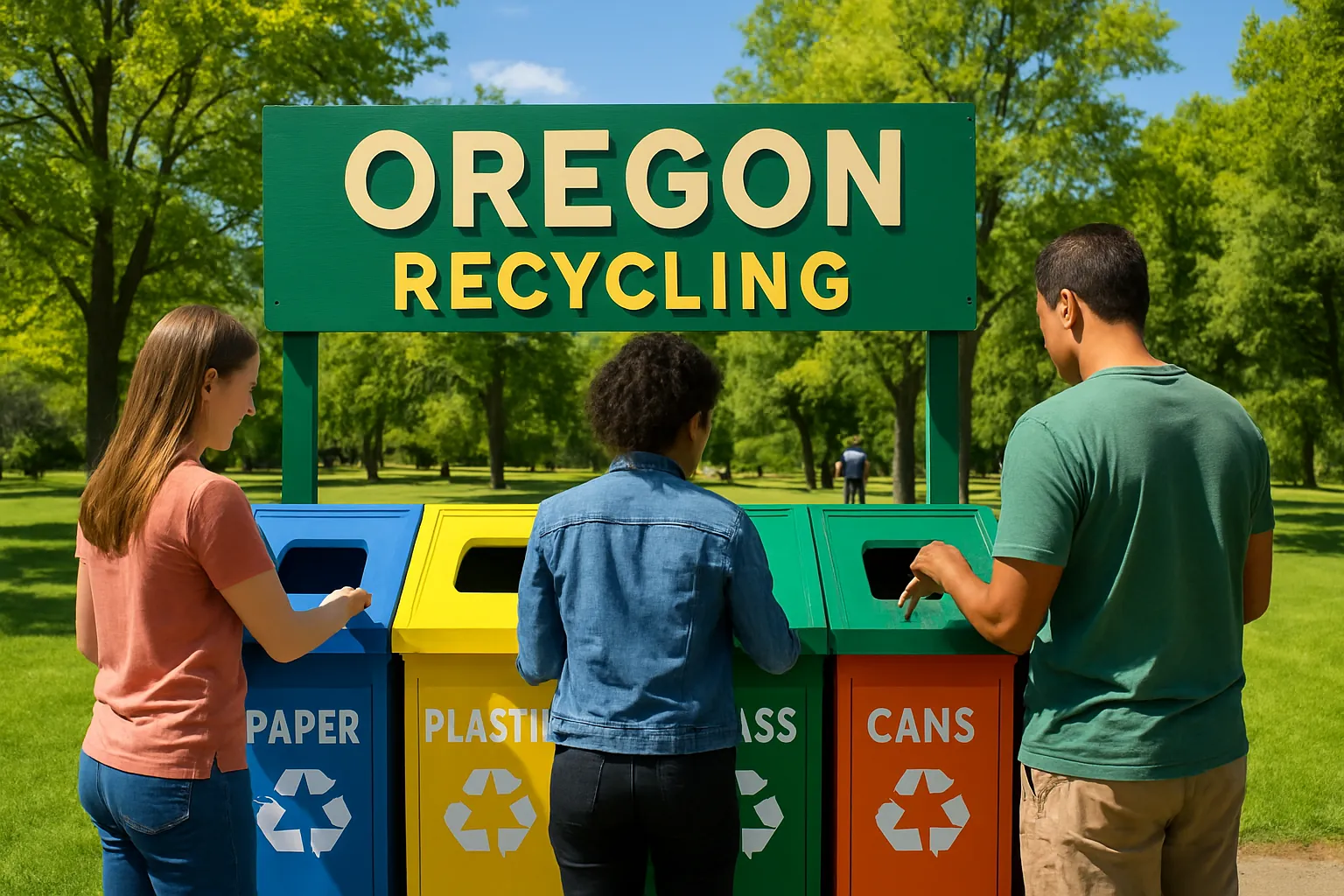
On July 1st, Oregon catapulted to the national forefront of environmental policy by implementing the Plastic Pollution and Recycling Modernization Act (RMA), a move lauded by progressive leaders as both pragmatic and visionary. Cities like Ashland saw immediate changes—curbside recycling bins now accept diverse items like aseptic milk cartons, egg cartons, scrap metals (with strict size and weight limits), nursery pots, and plastic pails. Recology, the waste service provider in Ashland, announced that summer collection routes would start earlier due to rising temperatures—a small but evidence-driven adaptation in a warming world.
Yet, not all Oregonians feel the impact at the same pace. Lincoln County, for instance, faces administrative delays and funding bottlenecks that mean its residents must wait a bit longer for expanded recycling access. According to Pew Charitable Trusts’ 2023 study, these sorts of regional lags are common nationwide, exposing a critical flaw in how patchwork recycling reforms so often shortchange rural and lower-income communities. Oregon now sets itself apart by aiming for a truly uniform recycling experience for every resident—urban or rural.
Who Pays the Price—and Who Benefits?
The act’s cornerstone is extended producer responsibility, or EPR: The companies that manufacture packaging, paper, and food-service items must now pay into the system that collects and processes their discarded products. That’s a radical departure from the conservative status quo, where taxpayers and municipal budgets bear the brunt. By shifting this economic burden onto corporate polluters, Oregon’s law incentivizes businesses to minimize wasteful packaging upstream—something community advocates and environmental economists like Harvard’s Dr. Jane Doe have called “the only way to break the cycle of single-use waste on a meaningful scale.”
With new fees on producers—managed by the Circular Action Alliance under strict state oversight—Oregon expects not just cleaner streets, but safer jobs. The act includes requirements for fair wages and benefits, protecting workers usually left behind in recycling’s unseen and often hazardous back rooms. Historically, labor abuses in the waste industry have flown under the radar. By comparison, California’s patchwork EPR programs offer little in the way of labor protections, fueling a race-to-the-bottom mentality among private waste haulers.
For residents, the upside is clear and immediate. Uniform rules will finally silence the confusion over whether pizza boxes or yogurt tubs belong in the blue cart (yes, as long as they’re clean and, in the case of pizza boxes, only minimally greasy). Only plastic caps attached to bottles are recycled—an intentionally simple instruction that aims to eliminate the guesswork that has undermined U.S. recycling efforts for decades.
“Oregon’s recycling system has set a national standard,” Governor Tina Kotek declared at the law’s unveiling. “We are holding polluters accountable and ensuring every Oregonian—regardless of zip code—has access to real recycling options.”
The Devil in the Details—Promises and Pitfalls Ahead
Yet even as Oregon’s progressive approach garners praise, many recycling haulers admit the path ahead is complex. Waste management firms statewide acknowledge that full processing and resale markets for the new mix of recyclable materials aren’t up to speed yet. “We’ll do our best to keep the stream clean while educating residents,” says Laura Leebrick of Rogue Disposal, echoing honest industry skepticism. This pragmatic transparency is part of what sets Oregon apart. Rather than sweeping complications under the rug, state agencies are investing heavily in public outreach and transition periods, guided in part by DEQ’s widely cited 2022 implementation roadmap.
Difficult questions linger. What happens when consumer recycling habits shift faster than market demand for sorted materials? Recent history offers cautionary tales: After China slammed its doors on contaminated U.S. recyclables in 2018, countless cities dumped vast quantities of material into landfills rather than risk fines or lost contracts. Oregon’s answer: modernize sorting facilities, build robust tracking systems, and partner directly with manufacturers to create a stable demand for high-quality feedstock. This isn’t just wishful thinking—it echoes successful models from Germany’s “Green Dot” program and British Columbia’s province-wide EPR system.
What can other states—and a divided Congress—learn from Oregon’s experiment? One lesson is clear: Without statewide mandates and corporate accountability, most piecemeal recycling programs flounder, leaving both taxpayers and the planet to pay the price. Oregon’s willingness to confront this head-on reflects a deep commitment to public service and environmental justice. The law doesn’t just benefit those already passionate about recycling; it opens the door for participation and equity where before there was confusion and exclusion.
The stakes stretch far beyond bottle bills and blue bins. With the U.S. recycling rate stubbornly stuck below 35%, according to the EPA, bold moves like Oregon’s RMA offer a blueprint for fighting plastic pollution and waste injustice—with special attention to the working class, rural residents, and sustainability advocates who so often bear the consequences of legislative inertia. As the rest of the nation watches Oregon transform its recycling landscape, the real question is not whether others will follow, but how soon and how thoroughly they’ll dare to act.
