
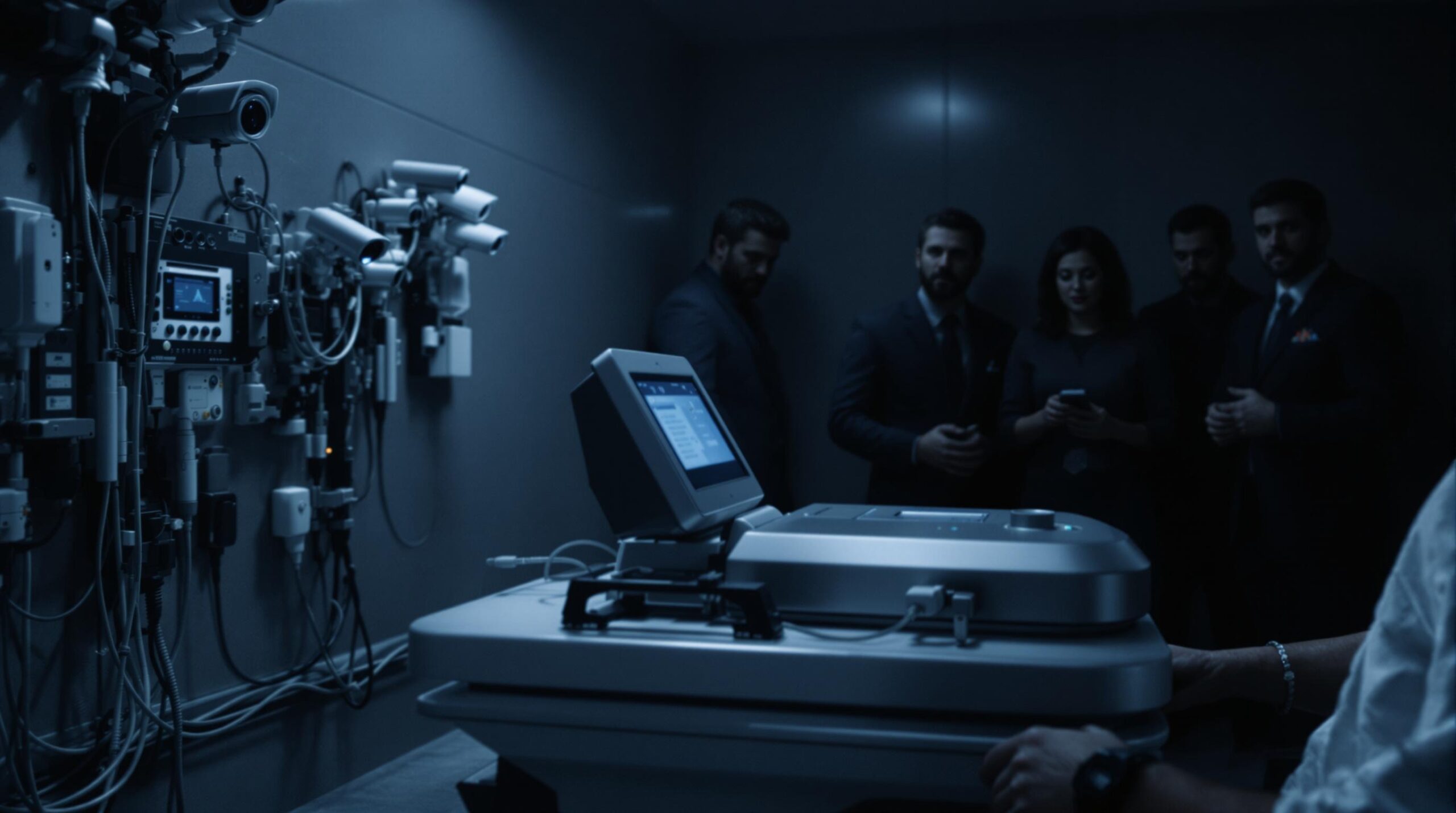
In a politically charged climate, the Pentagon has become the latest federal entity to launch an aggressive inquiry into security leaks, stirring public debate about transparency, accountability, and freedoms within governmental agencies. Defense Secretary Pete Hegseth’s chief of staff, Joe Kasper, announced the investigation, citing “recent unauthorized disclosures” and raising concerns over the use of polygraph tests to root out potential whistleblowers and leakers within their ranks. While protecting classified details is unquestionably important for national security, the reliance on lie detector tests raises troubling ethical and practical concerns.
The Controversial Lie Detector Approach
Polygraph tests, often dramatized as precise truth detectors, have a far more complicated reality. George Maschke, a former Army interrogator and vocal critic of polygraphs, warns of their notorious unreliability. Polygraph exams measure physiological responses such as blood pressure, pulse, and respiration, aiming to detect signs of deception. Unfortunately, these tests frequently produce false positives—falsely indicating deception among honest employees—creating unnecessary suspicion and damaging workplace trust.
Additionally, a Supreme Court ruling has specifically recognized polygraphs’ testimonial unreliability in military justice procedures, casting further doubt on their validity as an investigative tool. If these tests are unsuitable in military courts, critics argue, shouldn’t that disqualification apply equally in measures to protect national security? Such questionable strategies by the Pentagon appear more like punitive and intimidating tactics rather than demonstrably effective anti-leak methods.
The Broader Political Context
This initiative doesn’t exist in isolation. Rather, it aligns closely with a broader governmental clampdown on classified information leaks under the Trump administration—a troubling pattern that undermines transparency and the public’s right to know about governmental operations. The Homeland Security Department, led by Secretary Kristi Noem, has similarly pledged to amplify polygraph usage in its ranks, clearly reflecting a systemic preference within the administration for intimidation over substantive reform.
Meanwhile, the Justice Department’s simultaneous investigations into leaked information regarding the Venezuelan gang Tren de Aragua underscore an intensified governmental preoccupation with controlling information flow. Yet, leaks have long served as pressure valves in administrations—offering vital insights into decision-making processes and occasionally preventing harmful policies from progressing.
These leaks can sometimes illuminate vital truths, steering the public away from manipulated official narratives. Historically, whistleblowers have acted from moral urgency, unearthing unethical practices while facing severe retaliation. A vivid example is Daniel Ellsberg, whose leak of Pentagon Papers exposed government deception about the Vietnam War, drastically altering public opinion and policy.
Elon Musk and Corporate Influence
Adding layers of complexity, Tesla and SpaceX CEO Elon Musk recently stirred controversy after visiting the Pentagon. Musk publicly demanded prosecution for Defense Department officials accused of “maliciously false information” dissemination about him, a stance whose chilling implications echo President Trump’s frequent condemnations of the media and alleged government leaks. Such outspoken demands from Musk raise compelling questions about corporate influence over military policies and investigations.
The Pentagon responding to Musk’s grievances—notably by launching polygraph-heavy investigations—suggests a worrisome intersection of corporate and governmental power, potentially prioritizing private reputations over genuine democratic accountability mechanisms. This disturbing precedence could embolden wealthy powerful voices to dampen transparency further, damaging the morale and accountability crucial to a healthy democratic function.
“The reliance on polygraphs risks intimidating whistleblowers, stifling the institutional checks essential for democratic accountability.”
Accountability vs. Security: A Balanced Approach?
Security within government agencies undeniably remains a crucial concern, particularly surrounding truly sensitive issues of national defense. Yet, caution is necessary when measures intended for security morph into strategies that limit whistleblowing, conceal administrative shortcomings, or even target internal critics. The ultimate goal should be to foster a culture of ethical courage, rigorous transparency, and above all, democratic accountability—not repression and fear.
Alternatives beyond polygraph testing—such as clearer whistleblowing protections, secure channels for problem-reporting, and transparent internal investigation processes—could better serve the security goals without undermining necessary freedoms. Progressive policymakers advocate legislative and procedural reforms, pushing for standards that protect individuals who reveal wrongdoing without compromising genuinely sensitive national security.
Democracy thrives on criticism, accountability, and vigilance against corruption. Pressure to align closely with powerful corporate interests, combined with flawed methods such as polygraphs, risks eroding these vital principles. Advocates urge caution, reminding us all of the fine line between legitimate security protection and suppressive tactics masquerading as national defense measures.
In the end, achieving security should never undermine the democratic values it intends to safeguard. As citizens, scrutinizing these decisions remains not just a right but a democratic duty, ensuring government transparency isn’t trumped by fear or power, regardless of who occupies the corridors of authority.
