
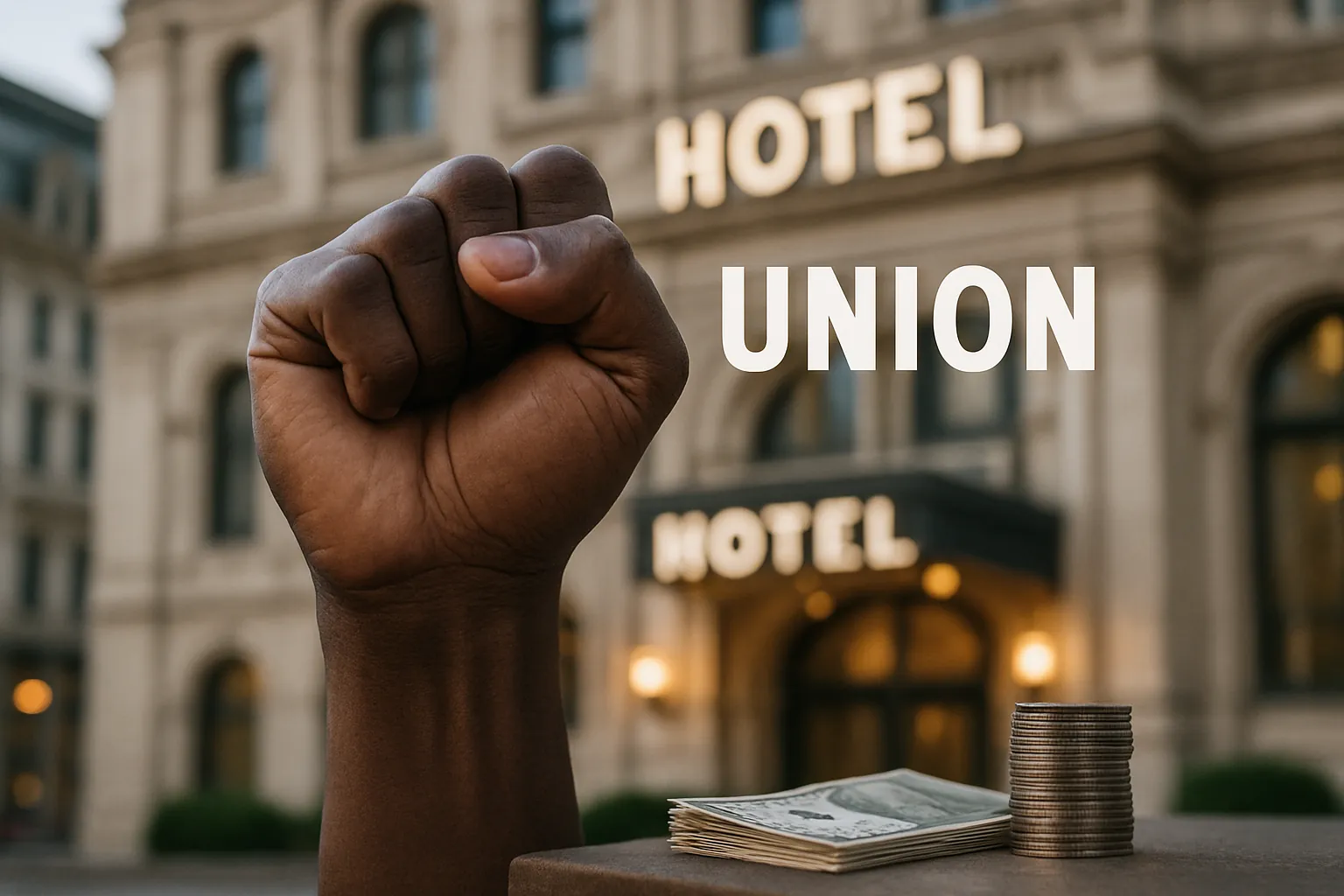
The Fight on the Picket Line: What’s at Stake
In the humid July dawn, a line of workers—hotel room attendants, bartenders, cooks, and dishwashers among them—gathered outside the Sheraton Philadelphia Downtown and the Hampton Inn near the Convention Center, lifting handmade signs and chanting for justice. This isn’t just another labor dispute: over 190 workers, bolstered by the strength of UNITE HERE Local 274, have walked off the job in the heart of Center City, demanding wage increases, better health care, an end to chronic understaffing, and dignity on the job after negotiations with hotel management stalled yet again. Their strike arrives at a critical moment, with contracts at nine hotels expired and the city on the cusp of a tourism boom that could mean record profits for investors.
The hotels at the center of the storm—the Sheraton, owned by Miami-based Cambridge Landmark, and the Hampton Inn, held by Blackstone Inc.’s real estate investment trust—are hardly negligible corporate entities. As hundreds of guests filter in and out, the workers who keep these buildings running find themselves stretched beyond reasonable limits, their wages stuck far behind Philadelphia’s rising cost of living. Sheraton staff average $22.11 an hour, but the union points to MIT’s living wage calculator: for a single worker with one dependent, the true living wage in Philadelphia now approaches $45 an hour—more than double what many strikers currently earn. Emiliano Rodriguez, a lead union organizer, puts it bluntly: “It’s become impossible for hard-working families to get ahead, or even just keep up, as inflation eats away at every modest raise they’re offered.”
Management’s silence has been deafening, but workers aren’t standing alone. Philadelphia’s progressive grassroots have shown up, forming a powerful visual as city streets transform into rallying points for economic justice.
The Underlying Economics—And Who Profits
What’s really happening in the soaring glass towers and bustling lobbies of Center City hotels? The hospitality sector is a lynchpin of Philadelphia’s economic revival, but the gap between executive profits and frontline pay has rarely been so glaring. According to the Economic Policy Institute, hospitality CEOs have seen pay grow by over 900% in the last four decades, while typical worker wages have stagnated in real terms. This is not an accidental imbalance. Wall Street investment giants like Blackstone are not in the business of running hotels out of love for the city or its workers; they’re chasing maximum return. As local analyst Kevin Gillen notes, “When private equity takes over city hotels, it almost always means tighter labor budgets and fewer full-time jobs.”
The timing of the strike is strategic. Next year, Philadelphia is set to host the 250th anniversary of the Declaration of Independence, FIFA World Cup events, and baseball’s All-Star Game. The economic windfall—potentially upwards of a billion dollars in visitor spending, according to city estimates—will be built on the backs of these workers. Tanay Nibblins, a striker and hotel room attendant, framed it clearly:
“They’re talking about tourism bringing in a billion dollars next year… Without the work we do, there is no tourism. We know what we’re worth. The time to pay us what we need is right now.”
Despite these coming profits, workers have watched as understaffing persists—room attendants asked to clean dozens of rooms per shift, dishwashers and banquet staff routinely working overtime without adequate support. Such conditions are not just unsustainable, but dangerous: academics at Temple University draw a direct line between understaffing and higher rates of workplace injuries and turnover. Labor historian Nelson Lichtenstein points out, “This is a classic case of risk being downloaded to those least able to bear it while shareholders reap the gains.”
Striking for Dignity: The Broader Labor Movement
Philadelphia’s hotel strike isn’t happening in isolation. It reflects a growing resurgence in union activism across low-wage service industries nationwide, from fast food to Amazon warehouses. The past year’s wave of hotel strikes in cities like Los Angeles, Chicago, and Las Vegas won significant wage bumps—sometimes pushing pay above $30 per hour—but the battle lines have only hardened. Conservative pundits frequently argue that generous raises in the hospitality industry threaten job growth or drive up costs for tourists. Yet history suggests the opposite: living wages and stable jobs fuel local economies from the ground up, creating vibrancy in neighborhoods and resilience during inevitable downturns.
Beyond the spreadsheets, there’s the human cost to relentless cost-cutting. Residents—perhaps you or your neighbors—may already feel the ripple effects, from room attendants collapsing under impossible workloads to families struggling to find affordable health care despite working full-time jobs. According to a recent Pew Research study, one in three Philadelphia hospitality workers report skipping medical care or prescriptions because of cost in the past year. Is it any wonder, then, that so many are willing to risk a paycheck for a chance at fairness?
The union’s strategic timing seeks to lock in gains before the tourist gold rush arrives. “The city is about to celebrate its history, but if we’re honest, the people making that celebration possible deserve a share of the spotlight—and the profits,” argues Drexel labor economist Alicia Serrano. If tourists and city leaders want world-class events, world-class treatment for the teams who make them happen is simply non-negotiable.
Labor disputes at iconic hotels are a test of our city’s values. Are we a community that tolerates luxury for a few and precarity for the many? Or will the picket lines outside the Sheraton and Hampton Inn mark a line in the sand for economic justice and shared prosperity—here in Philadelphia, and far beyond?
