
The Heartbeat of Pride: Cities Awash With Color—And Purpose
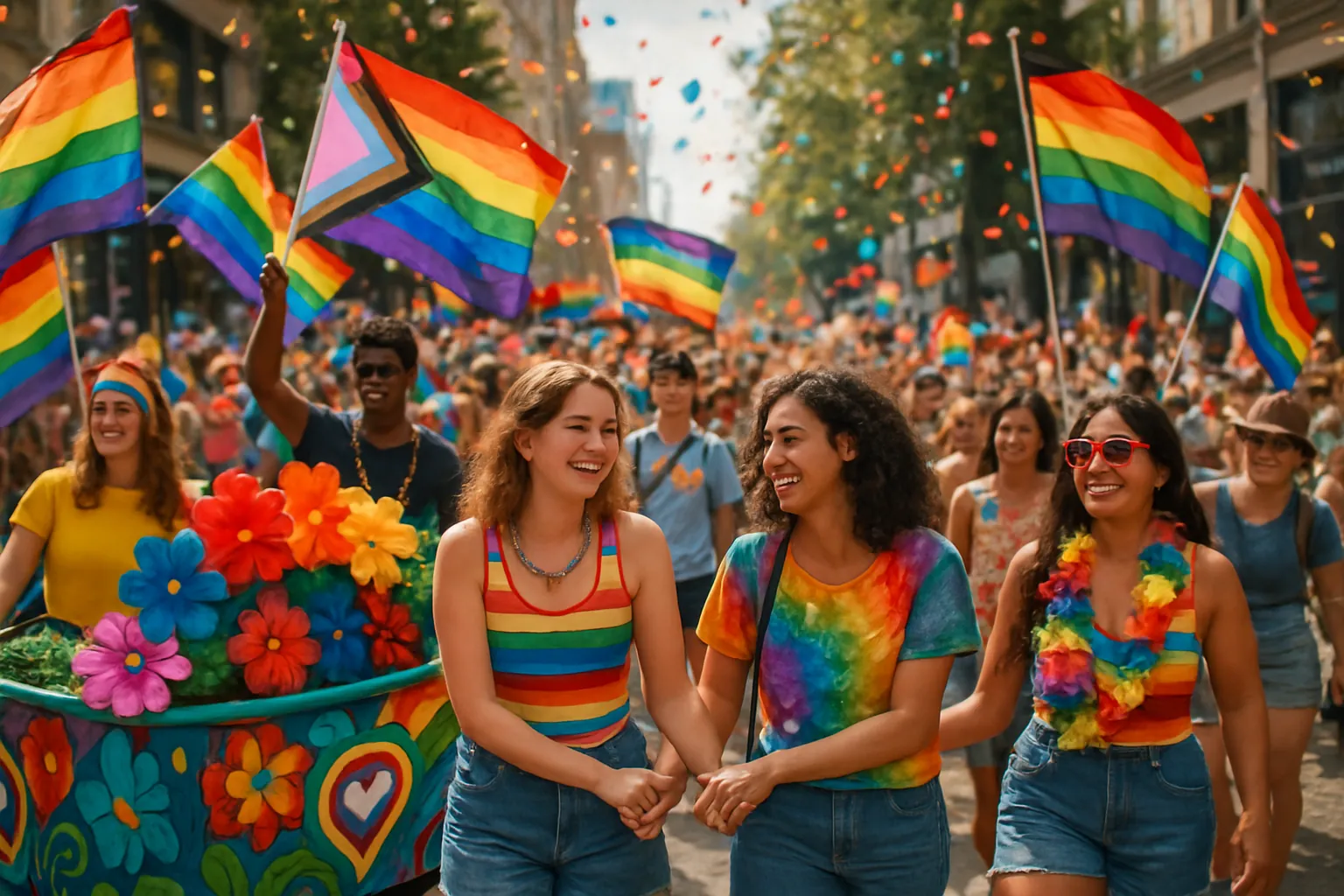
Sunlight filtered through rainbow banners draped across city streets, but the beams pierced more than just a summer haze. In 2025, thousands rallied in Glasgow, Rochester, San Diego, Battle Creek, and beyond, transforming their communities into beacons of joy, visibility, and resistance. No matter which city—whether the Scottish rain threatened or the western sun glared—each Pride parade pulsed with a deeper meaning: resilience in the face of persistent adversity.
Take Rochester, New York, where last year’s record crowd of 20,000 originally seemed like a peak. This year? Parade organizers watched South Avenue overflow as over 200 floats and vibrant community groups wove through the city, buoyed by cheers, ally flags, and the unmistakable shimmer of glitter. The weather stayed merciful—warm, but not punishing—matching the energy on the streets. According to local attendee and longtime activist Lisa Raymond, “It’s about being seen, being heard, and feeling free in our own city, if only for a day.”
In Battle Creek, Michigan, the ninth annual Pride Festival defied the odds. Corporate sponsorships had waned, a reality that has become all too common as companies quietly signal retreat from public LGBTQ+ advocacy when it no longer feels ‘safe’ or profitable. Still, the grounds at Lila Arboretum brimmed with nearly 100 vendors, ten food trucks, and a flurry of family events: a petting zoo, live music, drag shows from graduates of local drag camp. A closer look reveals the festival’s triumph overriding fiscal hurdles—a reminder that real community endurance rests not on dollars but on solidarity and celebration.
Political Headwinds: Parades as Defiant Acts of Visibility
Beyond glitter and pageantry, 2025’s Pride season unfolded against a backdrop of intensifying sociopolitical hostility. Anti-LGBTQ+ legislation continues to ripple nationwide, and conservative factions ramp up cultural attacks with the aim of pushing hard-won progress back into the closet. In San Diego, usually home to quarter-million-strong crowds lining Hillcrest’s sidewalks, headline drama punctuated political concerns. Several progressive local officials—including council member Stephen Whitburn, Mayor Todd Gloria, and state assembly member Chris Ward—marched in the parade, but declined participation in the festival itself due to controversy swirling around its headlining performer, Kehlani.
The backstory here is telling. Competing visions for Pride’s future—grassroots activism versus consumer spectacle—have cracked open old wounds about who Pride is really for. But the parade’s route also saw organizations like SPARTA Pride, which fights for transgender service members’ rights, help lead the procession behind the iconic motorcycle legion. Their presence doubled as a retort to the persistent injustice from both the previous Trump administration and current policy setbacks, including the barring of transgender people from military service and the gutting of youth-support hotlines.
Pride parades, in this climate, are not just festivals but acts of public resistance. The sheer turnout, draped in rainbow or glitter, rebuffs rising political attacks emboldened by conservative rhetoric. “We’re still here, and we’re not backing down,” said Samira Johnson, a SPARTA Pride volunteer who walked in San Diego. New polling from Pew Research Center points to a 71% increase in reported anxiety among LGBTQ+ youth since 2021—a chilling parallel to the present surge of anti-LGBTQ+ laws and public discourse.
“This year, Pride is about more than celebration. It’s about survival, and a refusal to be erased—whatever politicians or pundits may say.”
With flag-waving attendees entering the fray against bigotry on both national television and in face-to-face celebration, the line between party and protest grows ever thinner. Strikingly, events like Battle Creek’s all-ages scavenger hunt and After Glow Dance Party carry subversive undertones when viewed in this context—a joyful refusal to hide, segmented by neither daylight nor dark.
Complex Realities: Striving for Unity Amid Organizational and Social Strains
Harmony isn’t always easy, even at Pride. San Diego’s parade, while joyful, was not without critique from inside the LGBTQ+ community. Some longstanding activists voiced concern that the city’s Pride organization has not sufficiently protected marginalized groups year-round, especially as anti-LGBTQ+ rhetoric intensifies. Others worry that mainstream commercial sponsorship may dilute the radical roots of Pride, transforming it from a protest into a safe, sanitized festival that courts big business at the expense of true activism.
History rings with reminders: The first Pride, after all, erupted in 1969 as a riot led by Black and brown trans women against police oppression. Every Pride since has invoked that spirit, no matter how corporate or colorful the surroundings. This year’s events—from the family-friendly drag in Battle Creek to Glasgow’s rainbow-streaked march—echo those ongoing tensions. Yet, visible unity remains critical as backlash intensifies globally. As Harvard historian Michael Bronski has noted, “Pride’s true power lies in visibility, connection, and the reminder that our struggle is both local and universal.”
Despite hurdles—political, corporate, or internal—Pride’s pulse endures. 2025’s parades remind us why. Children on adults’ shoulders during Rochester’s parade cheered as the Flower City Pride Band played, while volunteers distributed literature on mental health resources beside smiling drag queens. Visibly present allies—parents, cisgender friends, elected representatives—marched alongside grassroots activists, sending the clearest possible signal: you are not alone.
The message is unmistakable. Whenever a parade winds past city hall or an afterparty carries on late into the night, every joyful noise and every rainbow flag retells a story of a community that refuses to shrink into the shadows. The festivities’ resilience should challenge us all: Will we continue to push, even when cameras turn away? Will we demand accountability from both leaders and sponsors, ensuring Pride is not just a date but a lasting movement for equality and justice?
