
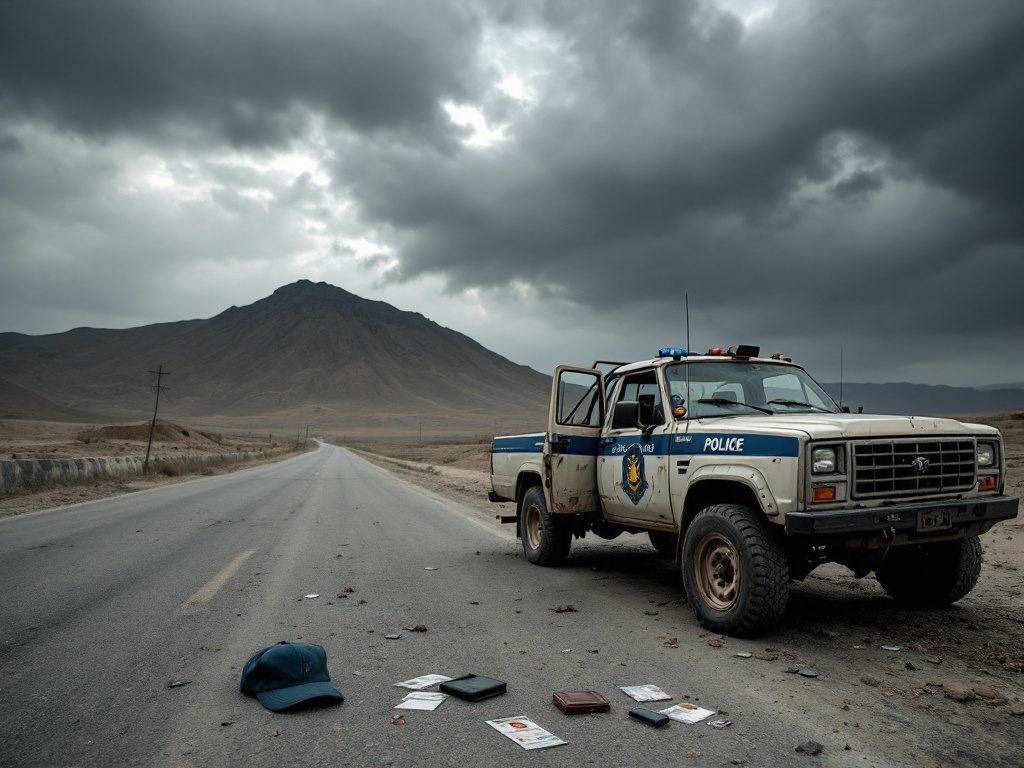
On Wednesday evening in Quetta, Pakistan, routine patrol duty turned deadly for a group of officers from the New Sariab police station. What began as an ordinary shift quickly escalated into tragedy when terrorists launched a calculated ambush, leaving three police personnel—including a sub-inspector and two constables—dead, and another severely wounded.
The attack occurred amid tensions and longstanding unrest in Balochistan, Pakistan’s largest province by area, rich in resources but economically underdeveloped and marred by decades of conflict. Cofirmed casualties included Sub-Inspector Abdul Wali, Constable Abdul Rehman, and Constable Mukhtiar. Kher Baksh, the patrol’s driver, sustained severe injuries and is currently receiving medical treatment.
Balochistan’s Deepening Conflict
Balochistan’s ongoing strife is no stranger to violence. Insurgent groups, notably the Baloch separatists, have waged a low-intensity insurgency for nearly two decades, demanding greater autonomy, alleging exploitation and underrepresentation by Pakistan’s central government. These groups argue vehemently that the region’s abundant natural resources, including substantial gold and copper reserves, are exploited without significant benefit to local populations.
The latest episode of violence amplifies calls for reassessing Pakistan’s approach towards longstanding regional grievances. Years of counter-insurgency measures alone have proven insufficient and arguably counterproductive, fostering resentment rather than facilitating peace and unity. Policing and militaristic actions, while often necessary, have repeatedly highlighted shortcomings in addressing the deep-rooted socioeconomic disparities that fuel unrest.
“The state must answer genuine grievances with genuine solutions, not just increased security measures,” argues Dr. Ayesha Siddiqa, renowned Pakistani security analyst.
Reinforcing Security or Reinforcing Trouble?
In response to the brutal assault, authorities swiftly announced heightened security measures. Patrol frequency in Quetta has been increased, checkpoints have proliferated, and surveillance heightened. Balochistan Chief Minister Mir Sarfaraz Bugti vehemently condemned the violence, describing it as a “dastardly assault” and vowing a fierce, uncompromising response. “We are resolved to eliminate terrorism completely from our region,” he affirmed sternly.
However, the intensified security posture raises uncomfortable yet critical questions. Can security forces maintain peace by strictly applying measures more symptomatic than curative? Or does the expanding security apparatus inadvertently deepen divisions, reinforcing perceptions of systemic injustice and discrimination among local populations?
Chief Minister Bugti’s resolve to utilize the full weight of the state’s force may find widespread domestic approval as an immediate reaction. Nevertheless, historical parallels—such as the harsh military operations in North Waziristan and Swat—demonstrate that hardline militaristic responses often create more disenchantment, especially without substantial political and economic reforms.
The Need for Comprehensive Solutions
While security responses are necessary to confront immediate threats, lasting stability will require more profound socioeconomic transformation. Balochistan, notwithstanding being immensely resource-rich, continues to grapple with glaring deficits in human development. Education facilities remain minimal, healthcare systems are strained, and employment opportunities scarce. These realities lend credibility—and often lend recruits—to insurgent group narratives.
Ongoing violence underscores the pressing need for a carefully recalibrated strategy that combines security vigilance with inclusive development policies. The Pakistani state has repeatedly emphasized infrastructure projects under the China-Pakistan Economic Corridor (CPEC) as transformative for Balochistan. Still, critics, including local political leaders, underscore concerns that such mega-projects overwhelmingly benefit the central government and foreign interests, rather than local communities directly.
Balochistan will require not merely roads and railways but schools, hospitals, equitable employment, and genuine representation at national levels. Real diplomacy, dialogue, and equitable developmental policies, evidenced over rhetoric, will prove integral in negotiating sustained peace.
Dr. Ahmed Rashid, author and expert on regional affairs, emphasizes, “Until Islamabad acknowledges—and more importantly, acts upon—humanitarian realities and fosters a grassroots-centric development approach in Balochistan, the underlying issues fueling violence will persist. Security forces alone cannot break cycles of violence resulting from entrenched marginalization.”
Indeed, the murder of these policemen, tragic and horrifying, presents yet another devastating marker on Balochistan’s already tumultuous journey. Their loss demands reflection beyond politics-as-usual: a reimagined pathway towards peace that prioritizes humanity alongside sovereignty.
