
A Storm No One Could Ignore: Chaos Sweeps New York and New Jersey
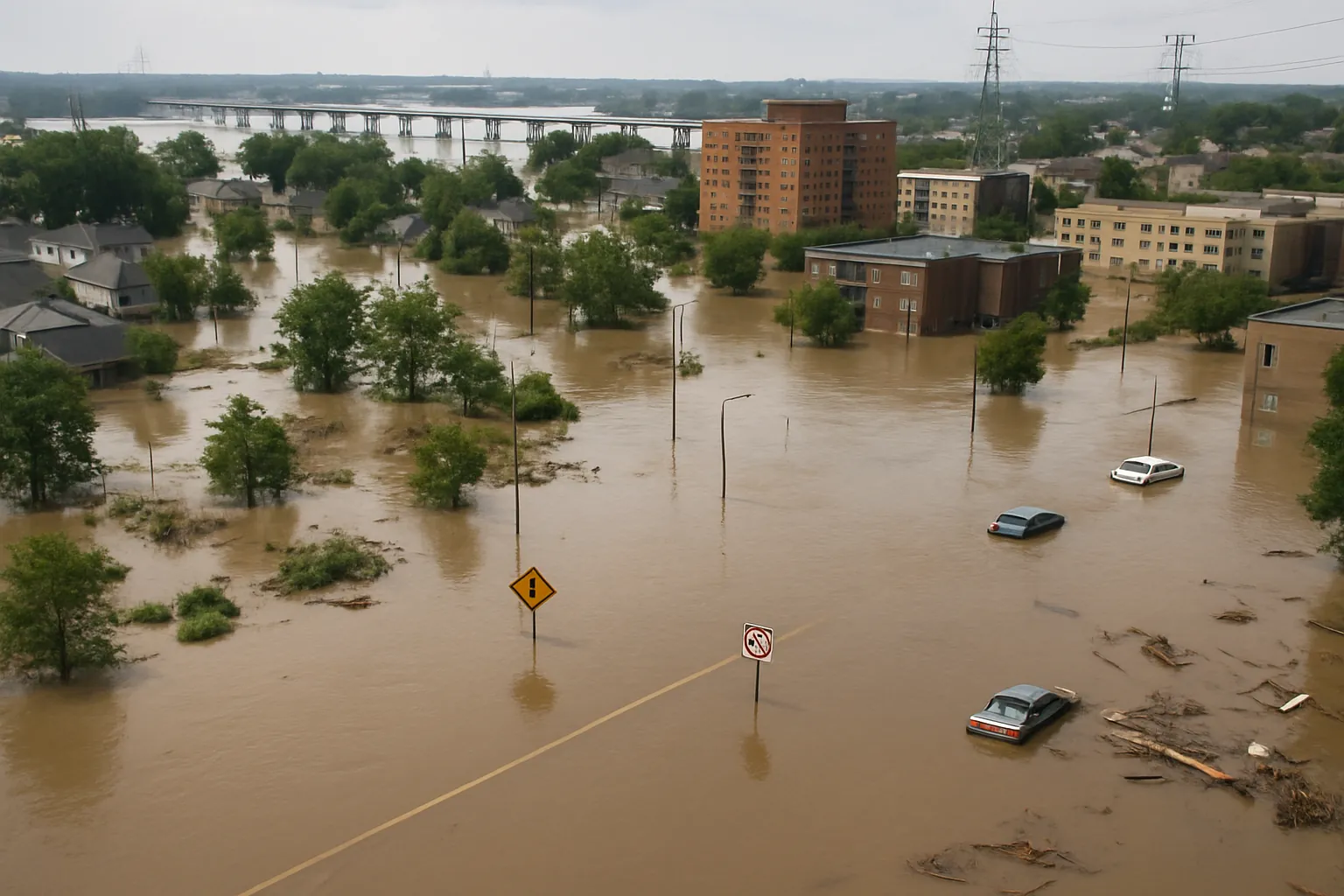
Cars swallowed whole by floodwaters on the FDR Drive. Subway platforms transformed into fast-moving rivers. Stranded travelers counting updates, not minutes, as their planes sat motionless on tarmacs. If you lived anywhere near New York City or northern New Jersey on July 14, 2025, these scenes were not distant news—they were the realities unfolding outside your window.
That night, rainfall rates soared to “two to three inches-plus per hour — that is incredible,” as aptly described by Brian Hurley, a senior branch forecaster at the US Weather Prediction Center. The National Weather Service quickly issued flood watches that sprawled from Connecticut through Maryland, a testament to how widespread—and severe—these slow-moving thunderstorms became. By morning, over six inches had fallen in some neighborhoods, overwhelming everything in their path.
Governor Phil Murphy of New Jersey and New York authorities responded with sweeping states of emergency, aiming to fast-track aid and protect lives. As transit ground nearly to a halt—1,200+ flights canceled, subway lines shuttered, and the Metro-North Harlem line suspended—it was clear this was far more than another summer downpour.
Old Infrastructures, Old Excuses—And the Cost to Ordinary People
Why does this story feel so familiar? Every few years, the Northeast is struck by high-impact storms—yet each time, the vulnerabilities look eerily unchanged. Stormwater systems decades past their prime; subways built for another era; roads rendered impassable after just a few hours of heavy rain. Much of this “infrastructure” was designed for a 20th-century climate, not the moisture-rich, extreme events that have become, by now, a predictable feature of our warming world.
Beyond broken pumps and sandbags, the most tragic failures are measured in the anxiety and economic strain thrust upon working families. Residents woke to find basements, businesses, and entire commutes wiped out. Some lost power for hours, even days, as floodwaters shorted substations and toppled trees onto lines. As Dr. Rosanne Haggerty, an urban resilience expert at Columbia University, observes: “We’ve studied how climate risk amplifies pre-existing inequalities. It’s always the lower-income, transit-reliant, and elderly communities who bear the brunt.”
Public transit is more than a policy issue—it’s a guarantee of economic activity, school attendance, and basic dignity. When the Metropolitan Transportation Authority suspends service across major subway lines, and when NJ Transit commuters are left waiting for “the next update,” it is disproportionately those without options who pay the highest price.
“The flooding didn’t just wash out roads—it laid bare the consequences of generations of political inertia and underinvestment. We don’t need another committee, we need decisive action.” — Dr. Rosanne Haggerty, Columbia University
On the ground, ordinary people adapt as best they can—relying on Facebook groups for rescue tips, sharing boots and buckets with neighbors, hoping school and work officials will understand the pervasive, collective disruption. Meanwhile, the privileged can often afford to escape the worst consequences, fleeing to hotel rooms or remote offices, while the most vulnerable are left behind.
A Call for Transformation, Not Patchwork—Learning from the Deluge
Urban flooding is no longer a rare, cataclysmic event—it’s becoming the new normal for the Northeast. According to a 2023 Pew Research study, 58% of Americans now view severe weather and climate-driven disasters as major threats to their local communities. Yet political will to invest in substantive infrastructure upgrades remains staggeringly elusive, particularly from conservative lawmakers who balk at the up-front expenditure.
Consider what happens when prudent reforms are proposed: Progressive leaders push for resiliency bonds, updated stormwater mapping, and green infrastructure—rain gardens, permeable pavement, modernized drains—but often face paralyzing gridlock in state legislatures fixated on “cost savings” that turn disastrous in the long run. The recent storm was no anomaly; according to the NOAA, the frequency of “1-in-100 year” rainfall events in the Northeast has already doubled since 1970, a direct consequence of unchecked climate change.
Getting serious about preparedness and climate adaptation is not just about spending more today—it’s about protecting the nation’s economic backbone and ensuring basic safety for every American. Why is it that in the world’s wealthiest country, we continue to expect volunteer firefighters and hourly-wage transit workers to shoulder the burden of climate chaos while politicians argue about pennies in budget hearings?
We need visionary investment—period. The Northeast’s postwar civic heroes didn’t balk at building multi-billion-dollar subways and bridges; they understood collective action as an act of patriotism. Today, that spirit must be rekindled, not only to repair what is broken but to transform these cities for the next century. Imagine a future where updated transit systems are resilient against storms, where low-income housing is out of the flood zone, where no one has to wonder if their next commute will end at a barricade of muddy water.
The flash floods of July 2025 should be a turning point. Progressive values demand a government that acts to protect collective well-being, invests in resilient infrastructure, and prioritizes the needs of the most vulnerable. That’s not just good policy—it’s what justice looks like in an uncertain climate future.
