
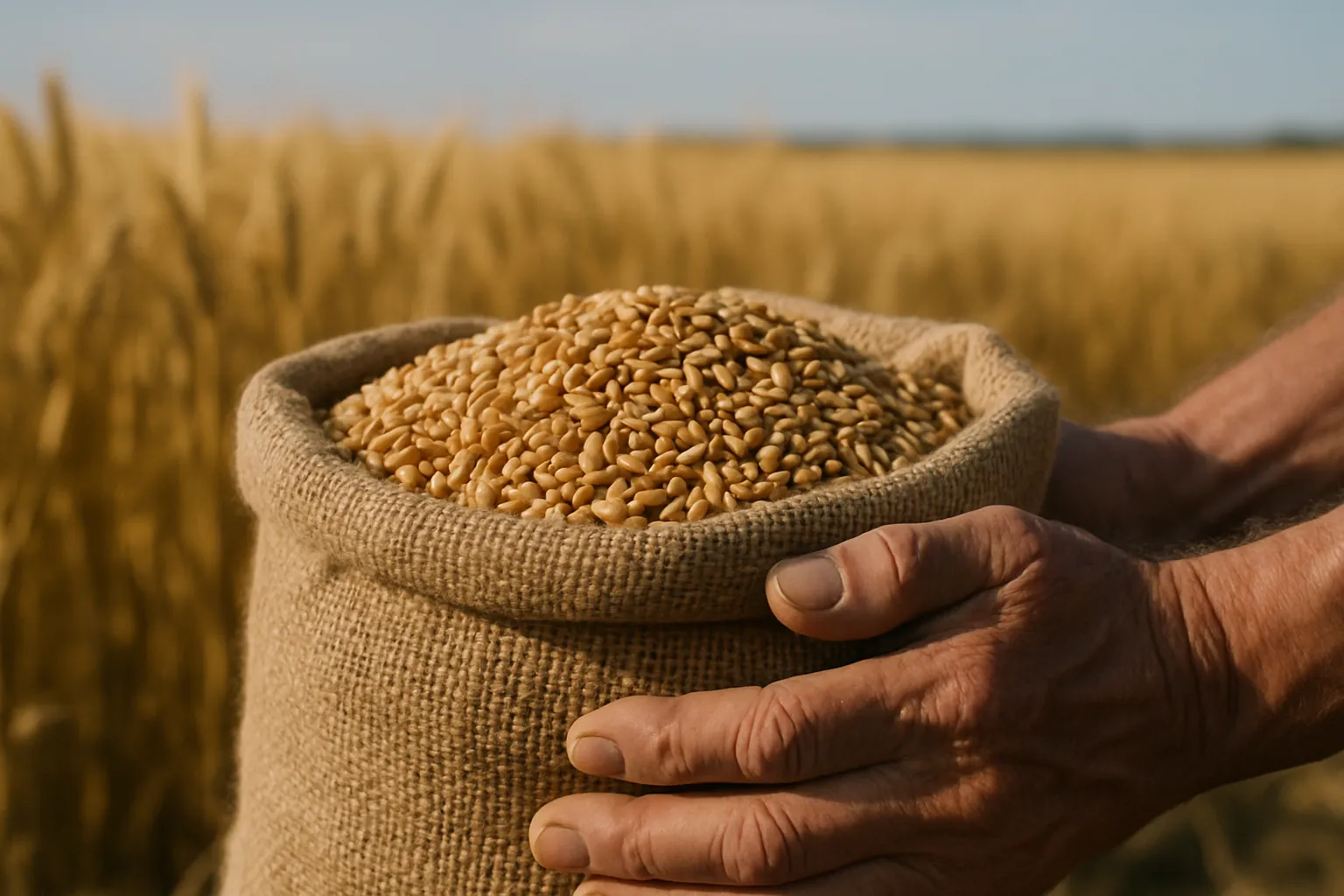
The Anatomy of a Modern Crime: Grain Theft as Warfare
Picture a battered, rust-streaked freighter docking under cover of night in a war-weary Syrian port. Its holds brim with wheat—grain once destined to help Ukraine feed itself and the world. Instead, that wheat now props up embattled allies and bankrolls conflict far beyond Eastern Europe. This is not just the stuff of spy novels; it’s reality on the Black Sea. Russia’s systematic theft and international distribution of Ukrainian grain exposes the dark intersection of modern conflict, criminal profit, and global food insecurity.
When investigative journalist Kateryna Yaresko tracked the Comoros-flagged ship DAMAS WAVE on its repeated voyages between occupied Crimea’s Feodosia port and Syria’s Tartus, clues to this shadowy trade came to light. The vessel’s cargo was clear: “stolen Ukrainian grain,” spirited away from territories seized after Russia’s 2014 occupation of Crimea and expanded upon after its full-scale invasion in 2022. In a region already scarred by war, economic desperation, and autocratic governance, such a pattern takes on harrowing significance.
These aren’t isolated incidents. According to Ukraine’s Center for National Resistance, Russia oversees more than 1,000 ships and engages over 150 captains in the systematic export of stolen Ukrainian crops, coal, and even weapons, transforming agriculture into an act of aggression. The numbers stagger: by Ukrainian estimates, Moscow may have extracted about 15 million tons of grain, laundered it through murky shipping networks, and rebranded it as “Russian origin” before offloading it in foreign markets from Egypt to Iran. The sheer scale of this enterprise makes it more than an economic crime—it’s a calculated assault on Ukrainian sovereignty.
The Syrian Connection: Food Crisis Amid War Crimes
Drought has returned to Syria with a vengeance, slashing wheat production forty percent below its norm, as reported by multiple aid organizations and agricultural monitors. Syrian bakeries run short, prices break all records, and millions teeter on the brink of food insecurity. Who steps in where the legitimate global market or humanitarian aid should? Russia—shrewdly exploiting both Ukraine’s vulnerability and Syria’s desperation.
Moscow once suspended grain exports to Syria due to unpaid bills after the collapse of Bashar al-Assad’s regime, yet shipments restarted last spring. These were enabled not by Russia’s own grain, but by masses of Ukrainian wheat seized in places like Donetsk, Luhansk, Zaporizhzhia, and Kherson. It is a humanitarian farce: the very actors destabilizing Ukraine are pivoting to “save” Syria, but only by peddling looted crops. Syrian officials, facing a deficit of 2.55 million tons of wheat, are left with little recourse but to accept these shadow trades—risking complicity in massive violations of international law.
Human rights watchdogs and legal scholars have condemned this practice. The International Red Cross and the United Nations have both reaffirmed that pillaging agricultural goods from occupied territory is a grave breach of the Geneva Conventions. Ukrainian officials, including the Security Service, have seized foreign-flagged vessels with contraband grain and issued urgent appeals for sanctions. But international response has been tepid at best, with most appeals landing on diplomatic dead air.
“When Russia turns food into a weapon of war, the international community has a moral—perhaps even legal—obligation to act. Allowing stolen Ukrainian grain onto global markets is to be complicit in the erasure of a nation’s agricultural and cultural lifeblood.”
This is not just about shipping invoices or port registries. It’s about people: Syrian mothers forced to choose which children will eat tonight, and Ukrainian farmers robbed of both livelihood and legacy. Feeding one country at the expense of another’s destruction is not a solution—it’s a cynical calculation with human lives at its center.
International Complicity and the Cost of Indifference
Beyond the borders of Ukraine and Syria, Russia’s grain trafficking is propped up by a global clientele, many of whom claim ignorance or plead necessity. The inconvenient truth: at least 70 countries, including Egypt and Türkiye—significant players in the region—have received shipment after shipment of what is almost certainly pilfered Ukrainian wheat. A closer look reveals that international buyers and transport actors are enabling, whether knowingly or not, the perpetuation of war crimes for profit.
Why the lack of decisive action? Despite Ukrainian diplomats “sending multiple requests” to countries like Bangladesh urging them to reject suspect consignments, most governments and companies refuse to act if the price is right. Harvard international law professor Oona Hathaway bluntly warned in The New York Times: without traceable accountability, sanctions, or enforcement, “pirated goods become indistinguishable from the legal, and every transaction corrodes the international order.”
The ramifications are profound. Allowing Russia to monetize its war crimes through global supply chains not only funds its military apparatus but erodes the very bedrock of international justice. It turns the world’s breadbasket into a battleground where basic principles—human dignity, sovereignty, and the rule of law—are traded for expedient profit. Progressive policy experts like Bill Browder advocate for specific, targeted sanctions on shipping companies, insurance providers, and third-country importers that facilitate this trade. “It’s not enough to condemn Russia’s actions; we must disrupt the networks that profit from plunder,” Browder insists.
History warns what happens when the global community delays action: the looting of Polish and French food supplies during WWII showed that unchecked economic exploitation only prolongs war, suffering, and instability. Now, as then, courage, not complacency, must guide our response. Supporting Ukrainian food sovereignty, protecting international law, and curbing Russia’s impunity remain not merely matters of policy, but urgent questions of conscience for any nation that values peace and justice.
