
Reviving a Lifeline for Vulnerable Youth
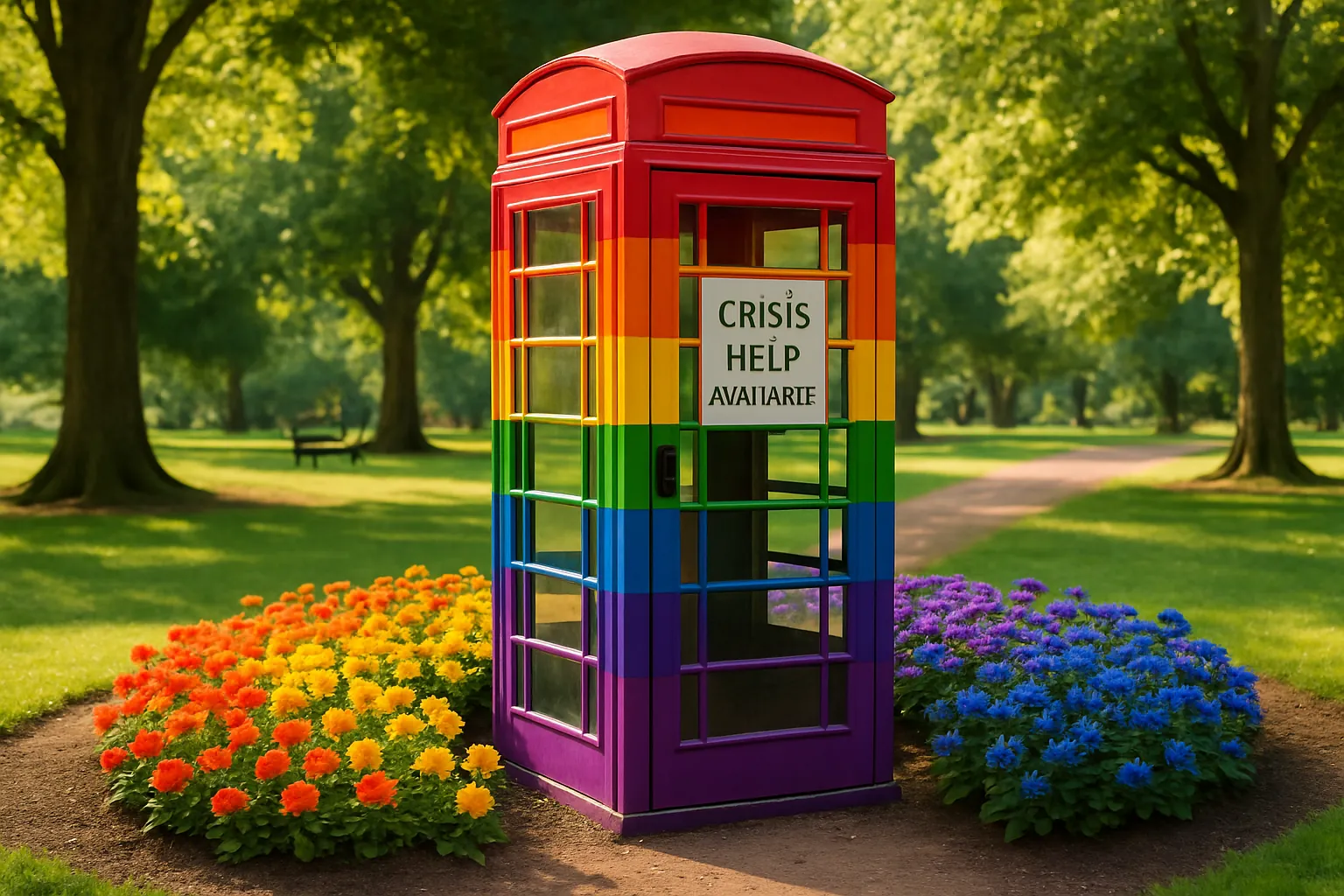
Imagine being a young person in crisis, fearing rejection at home and harassment at school, reaching for a lifeline—only to discover it’s vanished. For many LGBTQ+ youth, this hypothetical became a grim reality in July 2025, when the Trump administration abruptly ended the dedicated LGBTQ+ youth services on the national 988 Suicide and Crisis Lifeline. Now, in a rare display of bipartisan action, Senators Tammy Baldwin (D-WI) and Lisa Murkowski (R-AK) are pledging to restore and safeguard this critical link to mental health support by introducing the 988 LGBTQ+ Youth Access Act.
Since its introduction, the 988 Lifeline has served as an essential resource for Americans facing emotional distress or suicidal thoughts. What set it apart for marginalized populations were its dedicated options—callers could simply press “1” to reach the veterans’ crisis line or “2” for Spanish-language support. For LGBTQ+ youth, pressing “3” meant direct access to counselors versed in the specific strains and fears tied to identity, community, and acceptance. That simple option made the difference for as many as 1.5 million young people who sought help before the service’s discontinuation.
Research paints a stark picture: According to The Trevor Project’s 2024 National Survey, nearly 40% of LGBTQ+ youth seriously considered suicide within the previous year, and 12% made an attempt. Risks are deeply tied to factors like bullying, family rejection, and social isolation. The LGBTQ+ specialist lifeline wasn’t just a phone number. It was a culturally competent safety net, offering hope and connection in an often hostile world.
Partisan Agendas and Real-World Repercussions
The Trump administration’s decision to ax this specialized service sent shockwaves through advocacy networks—and, more urgently, through the lives of young people left with nowhere to turn. Calls and texts to independent resources like The Trevor Project surged by 700 percent following the 2024 presidential announcement, underlining the direct link between political rhetoric and the emotional well-being of LGBTQ+ Americans. As Harvard psychologist Dr. John Pachankis observes, “Marginalization experienced in adolescence is the single strongest predictor of suicidal behavior among LGBTQ+ youth.” (Pachankis, 2022)
Why would an administration eliminate a lifeline for some of the nation’s most at-risk youth? The answer too often boils down to politics weaponizing LGBTQ+ existence as a wedge issue. Under the guise of budget realignment or objections to targeted services, the Trump administration’s move aligned with a broader trend of rolling back LGBTQ+ protections—an agenda reflected in bathroom bills, book bans, and efforts to curtail affirming health care. Every one of these efforts is cloaked in language about “fairness” or “parental rights.” But the unmistakable real-world impact is measurable in the anguish and isolation it sows in young lives.
Senator Tammy Baldwin, the first openly lesbian U.S. Senator and a key author of the original 988 Lifeline legislation, has been especially vocal: “We are in the middle of a mental health crisis, and the 988 lifeline saves lives, plain and simple.” According to a 2023 Pew Research study, public support for LGBTQ+ rights remains strong across demographics, yet a vocal minority continues to shape policy through fear, misinformation, and moral panic. The disconnect between public sentiment and policy reality forces us to ask: Who is actually being served by this rollback, and at what cost?
“The loss of the LGBTQ+ option on 988 has left countless youth in the lurch, making them feel unseen and unsupported exactly when affirmation is needed most.” – Laurel Stine, Executive Vice President, American Foundation for Suicide Prevention
Bipartisanship, Culturally Competent Care, and a Test for Congress
Baldwin and Murkowski’s bill doesn’t merely seek restoration; it aims to enshrine protections in law, making it far more difficult for future administrations to act on ideological whims. By requiring the Secretary of Health and Human Services to establish, maintain, and adequately fund the LGBTQ+ youth option, the legislation reflects a commitment to evidence-based solutions—not partisan talking points. It recognizes, as the American Foundation for Suicide Prevention’s Laurel Stine argues, that culturally competent, affirming support can be “life-saving.”
History offers a sobering parallel. When the Reagan administration ignored the AIDS crisis in the 1980s, tens of thousands lost their lives before a single public acknowledgment, with harm compounded by policy inertia. Today, the mental health crisis for LGBTQ+ youth is painfully real, but unlike then, we know how to help—and we know what happens if we don’t.
A recent HHS study underscores that crisis lines equipped with identity-affirming, trauma-informed counselors drastically reduce rates of repeat crisis calls, suicidality, and hospitalization. The bipartisan nature of the current legislation sends a powerful message: No young person should ever be denied help because of who they are.
Beyond that, passing this bill would represent a vital step in closing the gap between policy rhetoric and pragmatic, compassionate governance. In an era where polarized discourse often overshadows vulnerable communities, bipartisan support for the 988 LGBTQ+ Youth Access Act affirms that mental health resources should transcend political gamesmanship.
Will Congress rise to the test? For LGBTQ+ kids looking for someone—anyone—to listen, the stakes could not be higher. Senators Baldwin and Murkowski have put forward not just a policy fix, but a challenge to the very soul of American leadership: Will we side with politics or with human dignity?
