
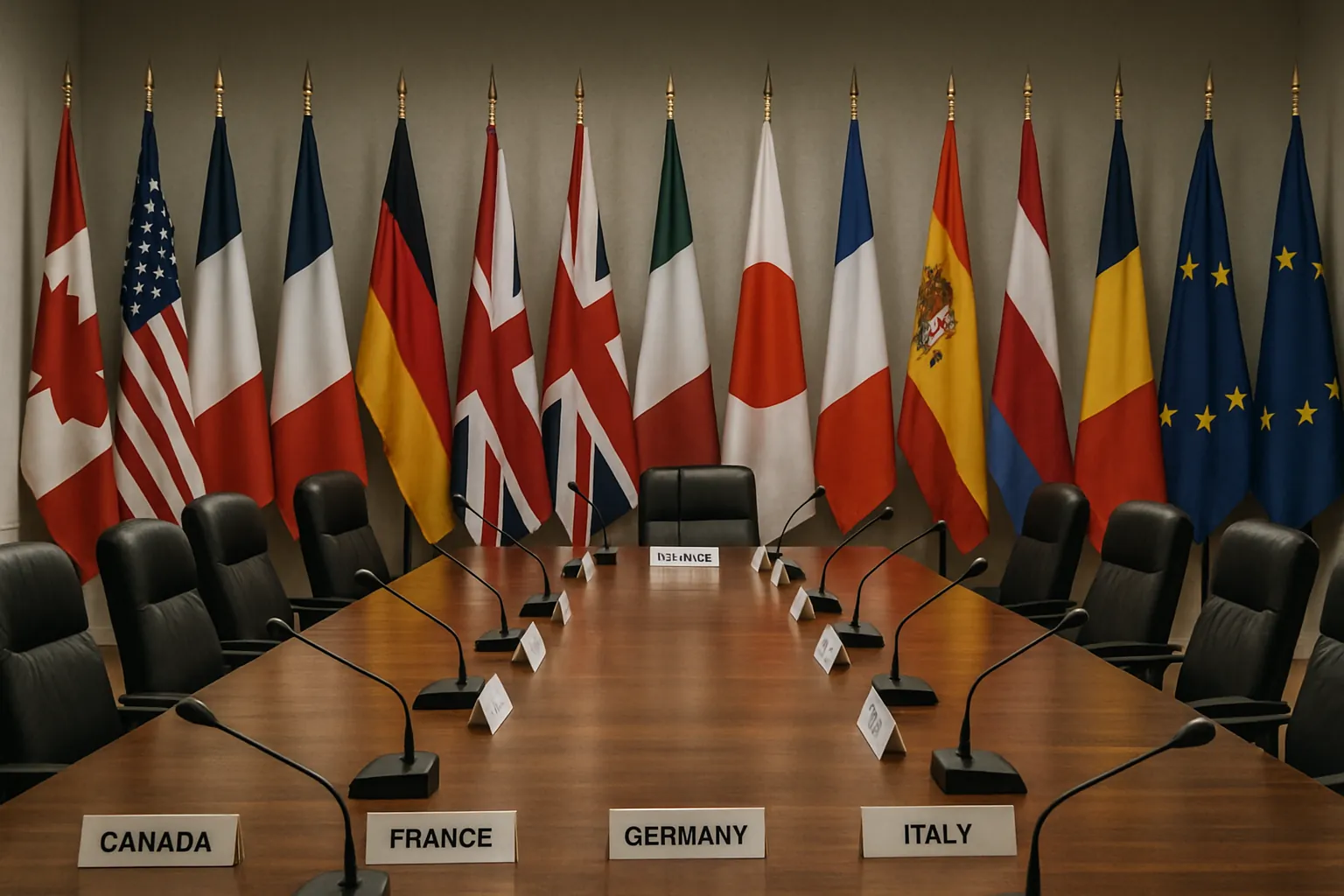
Breaking More Than Five Decades of Silence
Imagine a forum where every nation’s voice, no matter how bruised by history or present turmoil, echoes across the world. The United Nations General Assembly has been just that – a global microphone for the powerful and powerless alike. This September, that tradition will see a historic moment as Ahmed al-Sharaa, Syria’s interim president, takes the stage in New York. It’s been since 1967—over fifty years—since a Syrian leader addressed the body, a streak broken under remarkable, controversial circumstances.
Why now? What does it mean for one of the world’s most sanctioned and embattled nations to step into the full glare of international diplomacy? According to a Syrian foreign ministry official speaking on condition of anonymity, al-Sharaa’s appearance is more than symbolic—it’s a calculated effort to realign Syria’s diplomatic bearings and, crucially, plead for relief from crippling economic sanctions (AFP, Reuters 2024).
This appearance is far from a routine act of protocol. The move comes after years of isolation and devastation suffered by ordinary Syrians. In his country’s name, al-Sharaa faces a world deeply divided: some see Syria as a pariah, others as a pawn in a much larger contest for regional and global influence. The world will witness a speech rife with subtext and fraught with urgency.
From Old Alliances to New Realities
Shedding light on the complicated international standing of Ahmed al-Sharaa, it’s important to acknowledge a controversial chapter: up until 2016, al-Sharaa’s affiliations included a now-defunct relationship with al Qaeda. By all accounts, he severed those ties, a move that Western intelligence quietly noted but hasn’t quickly forgiven. The West’s skepticism runs deep, but the context is more tangled than a villain-versus-hero narrative.
Al-Sharaa’s legitimacy as Syria’s interim president remains contested internally and abroad. Yet his recent outreach—a face-to-face meeting with former U.S. President Donald Trump in Saudi Arabia—highlights a diplomatic pragmatism rarely seen from Damascus in the past decade. The meeting reportedly centered on efforts to ease punishing Western sanctions imposed on Syria, which have left the country’s economy in tatters and daily life for Syrians a grim struggle (Reuters, May 2024).
Sanctions, as proponents argue, aim to pressure oppressive regimes and curtail human rights abuses. Critics, including humanitarian NGOs and progressive U.S. lawmakers such as Rep. Ilhan Omar, contend that such policies routinely miss their mark: “The average Syrian isn’t holding the purse strings,” notes Omar. “They’re surviving on less than hope, and that’s an indictment of failed American compassion.” Clearly, the blunt instrument of sanctions often inflicts its deepest wounds far from presidential palaces or military command posts.
“For the first time in over 50 years, Syria is stepping out from the diplomatic wilderness not to trumpet victory, but to plead for relief. The world must decide whether to keep punishing the powerless or let engagement be the pathway to reform.”
More than diplomatic theater, al-Sharaa’s UN address offers a fork in the road. Does the international community double down on exclusion, or does it leverage engagement as a tool for progress, monitoring, and—possibly—incremental reform? Harvard Kennedy School professor Mona Yacoubian, a renowned expert on Middle Eastern diplomacy, believes, “Sustained isolation of Syria reinforces extremist narratives and perpetuates civilian misery, while careful engagement can yield tangible humanitarian outcomes.” (Yacoubian, 2024).
The Risks—and Opportunities—of a High-Profile Address
What will Ahmed al-Sharaa actually say? No specifics have leaked, and officials remain tight-lipped. The subtext, however, is unmistakable: with international cameras watching, Syria’s leader will almost certainly decry the devastating impact of sanctions and call for renewed recognition of Syria’s sovereignty.
But here’s the tension: Opponents of diplomatic normalization warn that granting a platform to leaders with checkered pasts risks legitimizing war crimes and perpetuating impunity. Victims of state violence, human rights advocates, and many Syrian exiles still bear scars—literal and figurative—from the Assad regime’s brutal legacy and ongoing repression. Engaging in dialogue, some fear, may unintentionally embolden authoritarian tendencies and undercut efforts for justice.
Beyond that, the international community faces a profound dilemma. Progressive critics of Western policy, like the International Crisis Group, have long argued that isolationism achieves little beyond rhetoric and hardship. As Gissur Simonarson, founder of the ‘I Am Syria’ campaign, once said, “The silent suffering of a child doesn’t end when cameras look away, nor when borders close. Hope, however remote, is born of contact, not contempt.”
A closer look reveals that vulnerability often lies with everyday Syrians—not political or military elites. Decades of sanctions, civil war, and geopolitical abandonment have left an indelible mark. The choice to listen or to shun Syria’s UN address may not deliver immediate solutions, but a refusal to engage risks hardening the world’s divisions even further.
Why This Moment Matters
The weight of history sits heavily on every word Ahmad al-Sharaa will soon utter at the United Nations. The world’s response, whether to extend a hand or to turn its back, will reverberate far beyond the marble halls of the General Assembly. Progressive ideals dictate that leaders, especially in fraught times, must show the courage to confront complexity and hold space for dialog, even with adversaries. The promise of the UN has always been to overcome division—not by naive optimism, but through hard, honest engagement.
Ultimately, the question will not be simply whether Syria deserves a say; it will be whether the global community dares to choose engagement over endless exclusion. Policies that **prioritize collective well-being, champion human rights, and insist on accountability** must be the foundation for any meaningful change. This isn’t about excusing the past or ignoring present pain. It’s about finally recognizing that the road to peace, justice, and dignity for all Syrians must start with a conversation whose time has come.
