
Unmasking the Hidden Cost: Teens, Anxiety, and Digital Life
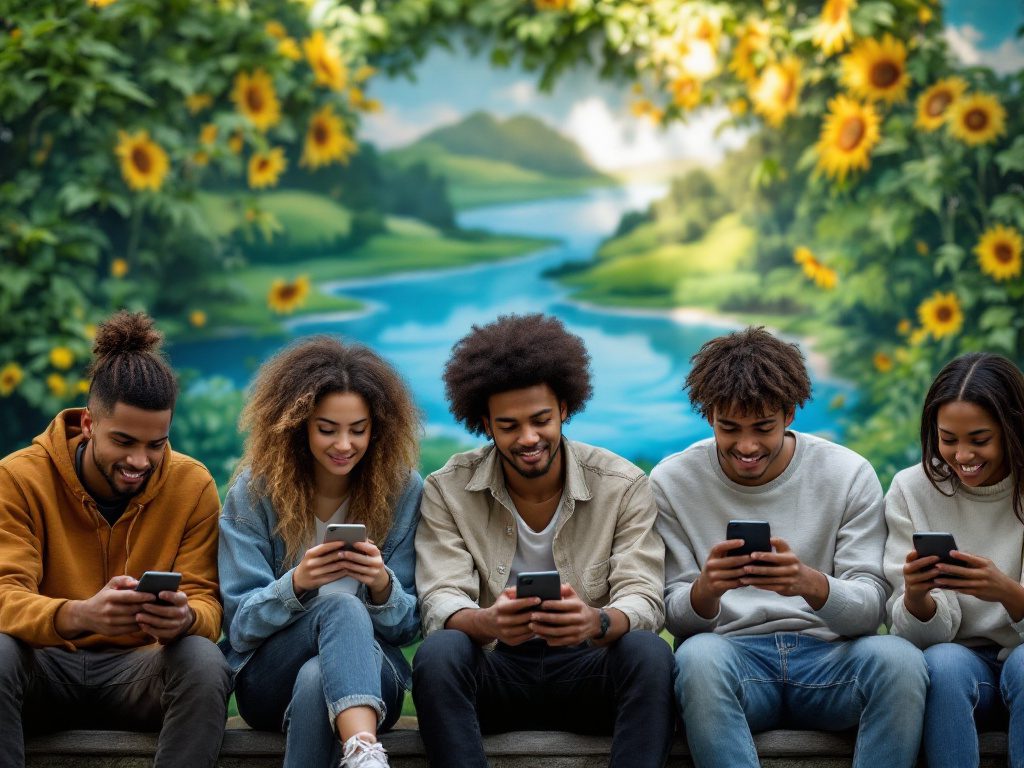
Scroll through your local park after school hours and you might notice what’s changed: where once groups of teens might have gathered in person, more and more are now virtually connected—together in a digital world, but often alone in their rooms. According to a 2024 Pew Research Center study, almost half of U.S. teens now believe social media’s impact on their peers’ mental health is mostly negative—a jump that demands all of our attention. (This is not a pendulum swing of casual opinion but a warning flare from inside Generation Z itself.)
In York, England, a youth group’s candid discussion with reporters stripped away the veneer of Instagram filters. The girls, aged 14 and 15, spoke of “constant comparison and competition,” where the metrics of likes and follows spiral into a game few can ever win. For some, the outcome is more than bruised self-esteem: it’s a body image crisis. Research from Meta’s own internal findings stunned even industry insiders—Instagram worsens body image concerns for one in three teenage girls. TikTok and Snapchat, meanwhile, are accused of enabling a culture where young people not only compare, but compete over struggles like eating disorders and anxiety.
Laura Domitrovich, director of youth programs at the Trumbull County Mental Health and Recovery Board, calls the moment a “perfect storm.” She describes how early and widespread social media exposure during critical stages of brain development can leave lasting marks. “We saw a mounting crisis before Covid,” Domitrovich states, “but the rapid pace of digital innovation, paired with pandemic isolation, turned up the volume on mental health distress.”
More Than Numbers: The Lived Experience Behind the Statistics
Behind the surveys and headlines are palpable stories of strain and resilience. A closer look reveals that technology isn’t just something today’s teens use—it’s become a kind of second skin. This relationship comes with startling tradeoffs. Nearly 45% of teenagers told Pew that they’re spending too much time on social media—up sharply from the previous year. Easy access to endless scrolling means less time outside, less face-to-face connection, and, as one teen put it, “it’s becoming harder to tell what I actually enjoy.”
The competitive environment on platforms like TikTok can turn supportive spaces into arenas for harmful comparison. Focus groups highlighted how young people are pushed—subtly or overtly—to signal just how badly they’re suffering, sometimes even feeling pressure to “outdo” each other’s pain. Instead of finding solace, many risk spiraling deeper into negative cycles, especially around body image and disordered eating. This dynamic isn’t mere speculation: it’s the lived experience of adolescents, echoed in ongoing lawsuits against Snapchat for failing to address rampant cyberbullying.
Pew’s findings do point to nuance. Roughly three out of four teenagers also say social media helps them feel more connected and provides creative outlets unavailable at school or home—an especially poignant benefit for LGBTQ youth. According to The Trevor Project, 53% of young LGBTQ people of color find safety and understanding on TikTok, while platforms like Discord and Instagram offer vital connections. Still, these positives don’t erase the growing sense that unchecked digital culture is doing more harm than good for many.
“It’s like you can never really log off—everyone always knows what you’re doing, and you’re always seeing what you’re missing,” one teen lamented. “It gets exhausting.”
Cultural shifts also play a role. Teens as young as primary school age are now using high-end skincare and makeup, motivated not by an innate desire, but by what’s trending with influencers online. The line between childhood and adolescence has blurred—not always in healthy ways.
The Response: Regulation, Responsibility, and the Fight for Balance
Can parents, educators, and lawmakers stem this tide? Some are trying. Utah’s recent law requiring app stores to verify users’ ages—and share that data with developers—signals a new era of digital regulation. The move seeks to shield minors from predatory content, but also prompts fierce debate around privacy and feasibility. Critics of such policies warn against overreach and blanket solutions that could stifle the positive dimensions of online interaction.
Still, for families confronting teens’ declining mood, risk of eating disorders, or lost sleep, waiting for the tech giants to self-police is no longer good enough. What’s at stake is made clear by the growing ranks of teens who say they’re consciously cutting back on social media. Many are engaging in “digital detoxes” or working with parents to set ground rules on device-free hours—a pragmatic sign that teenagers themselves are pushing for balance, not total abstinence.
Experts like Harvard psychologist Jean Twenge emphasize that solutions require more than bans or technological fixes. Twenge points out, “Giving kids the skills to evaluate what they see, set their own limits, and build real-world communities is the only sustainable answer.” If we want to safeguard youth mental health, then schools, families, and tech companies need to collaborate—not just regulate—for systemic solutions that empower rather than punish.
The conversation is moving from fear to nuance. Social media is neither a panacea nor a plague; it’s a tool whose impact depends on how it’s wielded. This is the crossroads at which we stand: will we leave teens to navigate a treacherous digital landscape alone, or build the guardrails they’ve started asking us for?
