
Testing the Threshold: Rising Waters Revive Levee Fears
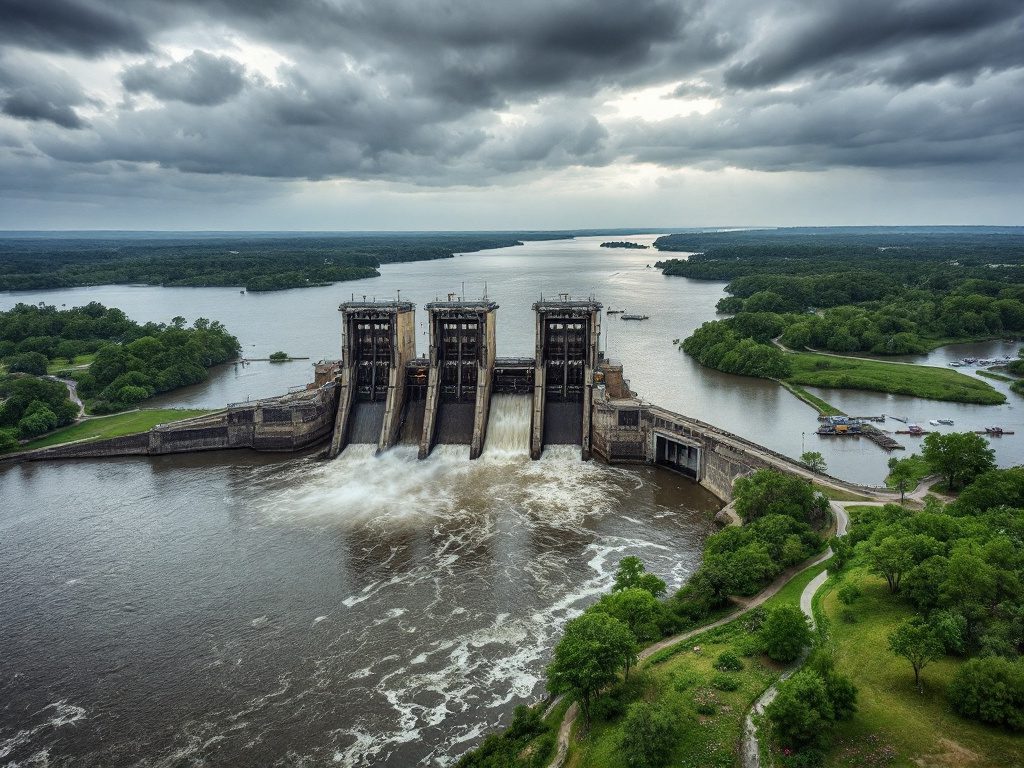
New Orleans—a city defined by its uneasy relationship with water—once again finds itself eyeing the muddy expanse of the Mississippi with both hope and trepidation. As river levels surge toward critical thresholds near the city, the U.S. Army Corps of Engineers conducted a rare test of the Bonnet Carre Spillway. This massive flood-protection structure, stretching a mile and a half across St. Charles Parish, is the region’s first line of defense against disaster and a symbol of lessons learned—and at times, unheeded—from America’s epic flood history.
What triggered this latest surge in official activity? According to data from the Corps, the river at New Orleans’ Carrollton Gage is expected to crest at 16.5 feet—just shy of the 17-foot mark that typically prompts action. With floodwaters rising and climate volatility now the status quo, officials began a cautious rehearsal. Engineers pulled 500-pound pins from one bay, letting river water rumble through—while locals and environmentalists watched, knowing that such moments foreshadow the real deal. The result was an immediate, dramatic rush of water into the contained floodway, providing vital measurements that could inform a full opening if rains upstream intensify.
Relying on historical precedent has always come with risk. The spillway was constructed in the aftermath of the Great Flood of 1927, when engineering hubris and governmental neglect led to one of the deadliest natural disasters in U.S. history. Since then, the Bonnet Carre has only opened about once every seven years, but climate models suggest such “once-in-a-generation” crises are destined to become routine. River stages farther north, from Baton Rouge to Donaldsonville, already tell a story of increasing strain, with high water complicating navigation and flooding low-lying pockets—harbingers of the challenges to come.
Complex Tradeoffs: Ecology, Economy, and Equity
The Corps’ demonstration wasn’t just an exercise in hydraulics—it was a window into the complex tradeoffs facing the region. Opening the spillway diverts immense torrents of muddy river water into Lake Pontchartrain, protecting vital urban levees at the price of disruption downstream. Local fishermen, scientists, and tribal leaders all know that even a limited opening can reshape the delicate web of life in the brackish waters beyond New Orleans. It’s a balancing act that pits city safety against ecological integrity.
“We don’t want this to be a regular event,” says Kristi Trail of the Lake Pontchartrain Basin Foundation. Each high-water year brings stress for the commercial shrimp and oyster fisheries, while surges of fresh river water disrupt the salty environments these species need to thrive. In 2019, a full opening devastated local seafood industries, causing millions in losses—economic wounds that linger today. The Mississippi Sound Coalition has called for the Corps to limit its interventions, wary of repeating past harms.
“Flood control isn’t just an engineering problem; it’s a test of our values. Are we safeguarding people, ecology, and livelihoods—or just buying time until the next disaster?”
The presence of spectators and local anglers at the test—one of whom landed a 30-pound invasive river carp—highlighted another layer of the story. Shifts in water management alter migration and spawning patterns, permitting invasive species to thrive. Fisheries biologists warn that unless policies broaden their view, the region could face unintended consequences with each crisis averted.
Proactive Policy or Patchwork Response?
While the presence of the Corps’ engineers and their test run demonstrates operational readiness, it also raises uncomfortable questions about the sustainability of our current approach. Classic conservative arguments for limiting infrastructure spending and deferring to private interests ring increasingly hollow as the price of inaction climbs. Every season that passes without a robust investment in modernizing flood controls and bolstering natural buffers, communities are left more at risk—not just from flooding, but from the economic and environmental shockwaves that follow.
Cities like New Orleans have always lived with tides of uncertainty, but the persistence of climate-driven extremes demands more than ritualistic drills and last-minute disaster declarations. According to a 2023 Pew Research Center survey, nearly two-thirds of Americans now expect government agencies to play a leading role in climate adaptation and urban resilience planning. Why, then, do we still treat these moments of crisis with makeshift fixes instead of bold action?
Harvard environmental engineer Dr. Lila Sanchez urges policymakers to consider a more holistic approach. She points out that green infrastructure—such as restored wetlands and barrier islands—can work alongside engineered solutions, not instead of them, creating a broader safety net. “Relying solely on hard infrastructure only shifts the vulnerabilities downstream,” she notes. “We need community-driven solutions that address both the science and the equity gaps.”
The current spillway rehearsal is a stark reminder: without thoughtful investment, what’s now a test could soon become a scramble. Policymakers who oppose proactive adaptation not only risk the physical safety of vulnerable communities but put regional economies and ecosystems in jeopardy. Progress means embracing innovation—and equity—before the next flood arrives, not simply cleaning up after it.
