
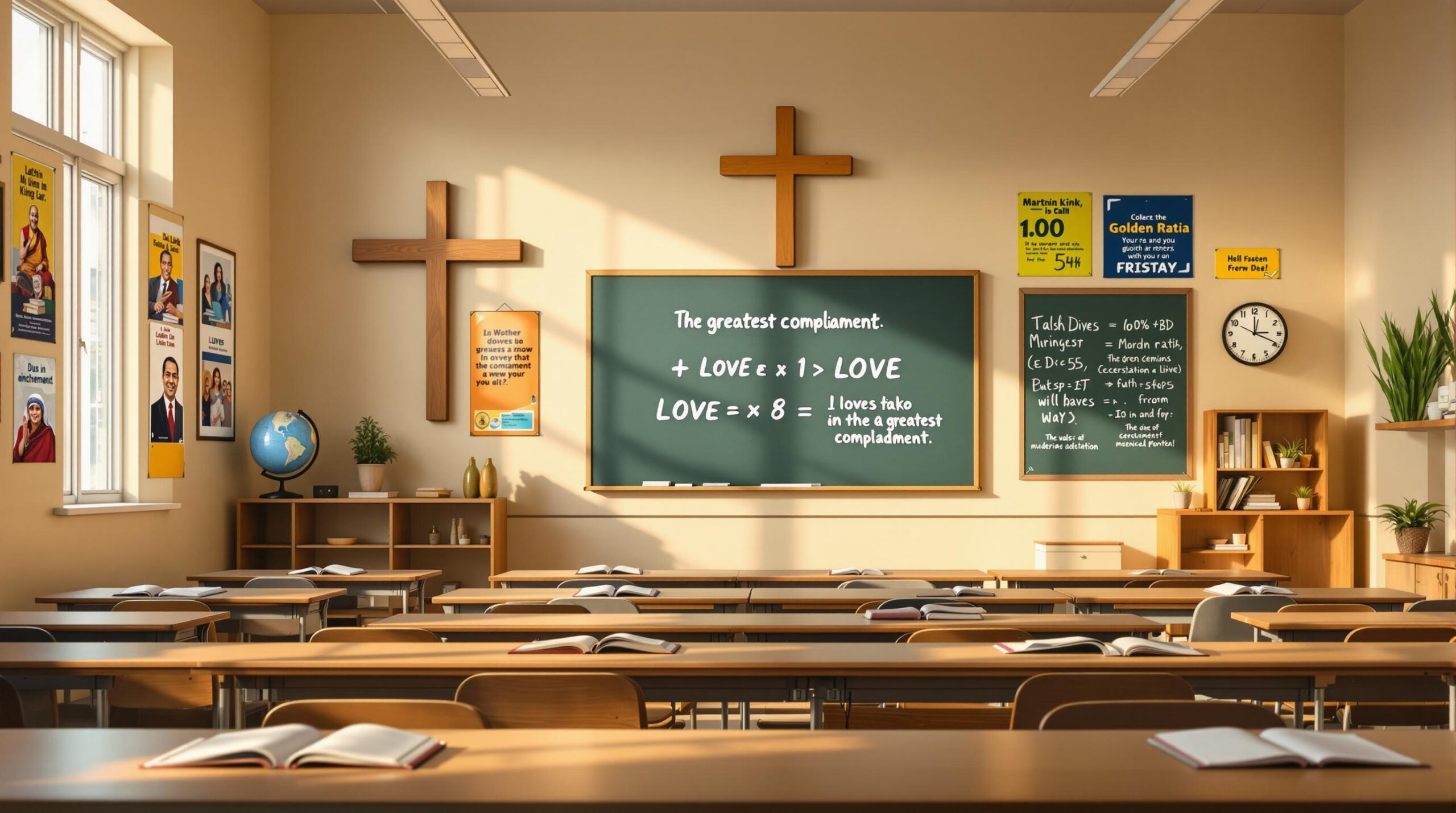
Amid heated debates and strong opposition, the Texas Senate has approved two controversial bills, marking a stark shift toward integrating expressly religious elements into public education. Senate Bill 10, spearheaded by conservative lawmakers, mandates the display of the Ten Commandments in every public school classroom, beginning in the 2025-2026 school year. Senate Bill 11, its accompanying measure, gives school trustees the authority to set a mandatory period dedicated to prayer and religious readings during school hours, provided parents consent.
A Threat to Religious Freedom?
Lt. Gov. Dan Patrick, a staunch advocate of the bill, argued that displaying the Ten Commandments in classrooms would provide students with the “foundational moral compass” espoused by America’s forebearers. Sen. Phil King, a key sponsor, echoed this sentiment, asserting that such legislation was vital amid declining church participation rates and perceived moral erosion within society.
However, a vocal coalition of 166 faith leaders from across Texas staunchly opposes these measures. In a public statement, they argued, “The government oversteps its authority when it dictates an official state-approved version of any religious text.” This broad-based opposition highlights deep concerns about religious freedoms: legislators risk imposing specific religious interpretations on students from diverse backgrounds, potentially marginalizing non-Christian or secular families.
The Historical Context of Church and State
The intertwining of religious symbols and schooling isn’t new—it’s part of a longstanding and highly charged national debate surrounding the constitutional line between church and state. Rev. Jody Harrison, reflecting on historical persecutions of minority Christian denominations, warned that this recent push was a troubling “wake-up call,” demonstrating how far Texas’s legislature may stray from foundational American principles that favor neutrality on religious matters.
Historically, American public school systems have been arenas where these debates frequently play out. Court cases such as Engel v. Vitale in 1962 explicitly prohibited school-sanctioned prayer practices. Therefore, critics, like Sen. Nathan Johnson, argue that these bills dangerously skirt established legal precedents meant to safeguard students from religious coercion. Johnson cautioned that discussions on faith should remain within family domains rather than prescribed by the state, frankly stating, “We don’t need to force this on students.”
Crucially, this historical perspective underscores how the current Texas legislation could potentially face significant constitutional hurdles in court, setting it on a collision course with established First Amendment protections.
“The government oversteps its authority when it dictates an official state-approved version of any religious text.” – Coalition of 166 Texas Faith Leaders
Potential Impacts on Students and School Culture
Sen. Mayes Middleton, another proponent of these legislative measures, approached the debate with assurances that participation in these prayer sessions wouldn’t be compulsory but rather contingent on parental consent. Advocates maintain that this serves to expand, not restrict, religious liberties within educational settings. Yet, critics argue this interpretation obscures the social pressures likely to arise. Students opting out could face exclusion or bullying from peers, implicitly creating environments where conformity yields social acceptance.
Further, the very selection of the Ten Commandments as a singular moral guideline is contentious. Faith leaders and secular thinkers have pointed out the complexities and nuances within religious texts themselves. Indeed, many religious denominations may differ on the exact rendition or interpretation of these commandments, underscoring concerns that state prescription improperly simplifies and homogenizes highly personal belief systems.
Moreover, given Texas’s diverse student population, including students from atheist, agnostic, non-Christian religious backgrounds—such as Muslim, Sikh, Jewish, and Hindu communities—these measures raise fundamental questions about inclusivity and respect for diversity within public education spaces.
As these bills proceed to implementation discussions and likely legal challenges, Texas stands at an inflection point. Will this potential encroachment into religious prescriptivism within public schools go unchallenged, or will communities rise together in defense of secular, diverse educational environments? The decisions made today will ripple outward, significantly defining the state’s educational, cultural, and constitutional landscape for generations to come.
