
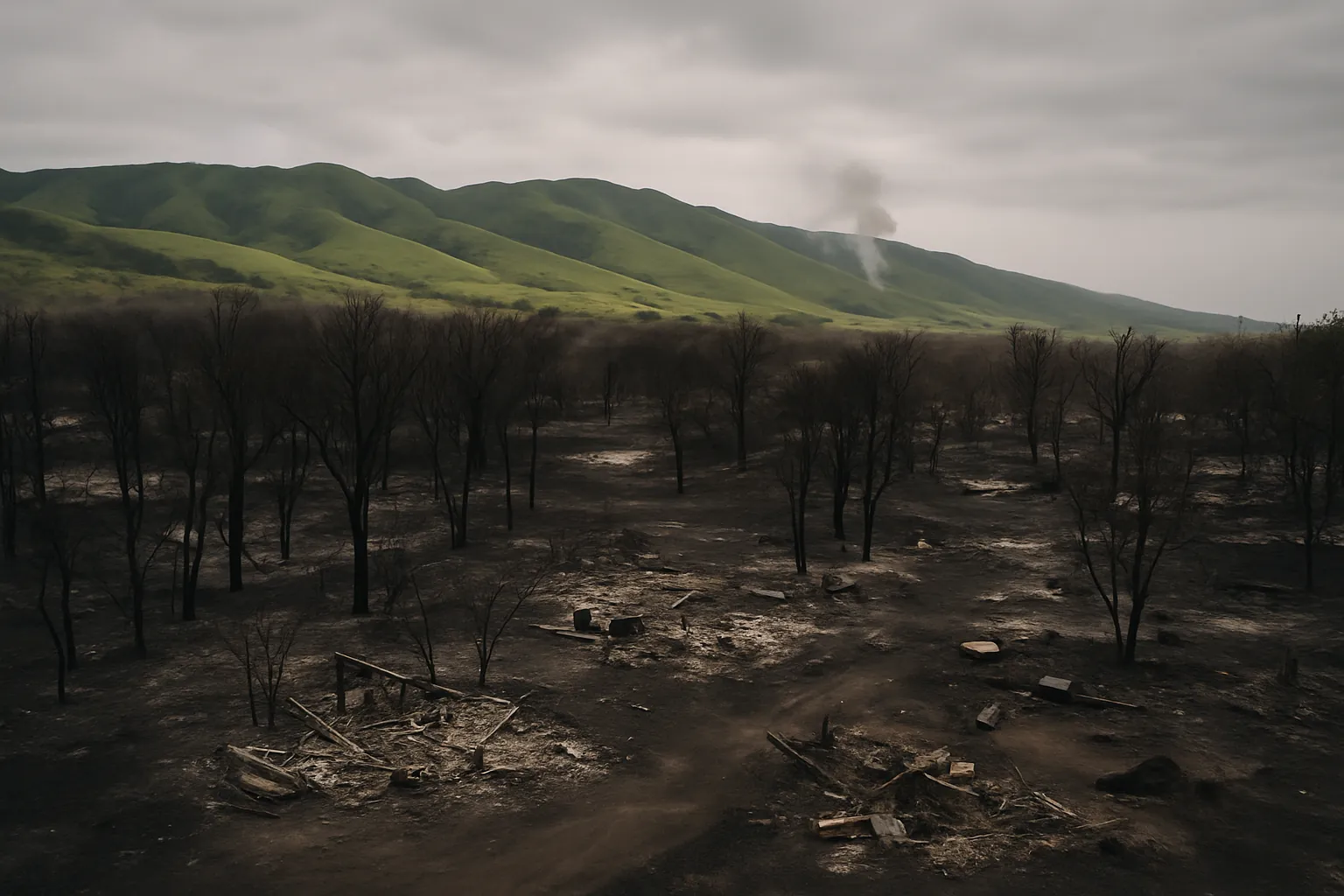
How Official Numbers Fail the Victims
Will we ever really know how many lives are upended—if not lost—when wildfires rage? Official counts all too often tell just a fraction of the story. When the flames that tore through Los Angeles in January and Maui in August 2023 were finally extinguished, media headlines reported the numbers: 31 dead in LA, just over 100 in Maui. These grim statistics, presented as the total loss, shaped the political response, the insurance payouts, and, inevitably, the public’s collective memory.
The true scale of devastation, however, lies buried in the data—and in the stories of families picking up the pieces months, even years, after the smoke clears. According to groundbreaking research published in the Journal of the American Medical Association, the real health impacts of the recent wildfires in both regions have been tragically underestimated. Scientists compared death records in Los Angeles County between January 5 and February 1, 2025, against pre-pandemic years. The result was jarring: an estimated 440 more deaths than expected, linked not to fire directly, but to choking air quality, service disruptions, and an overwhelmed health system.
This gap between the official and the actual tells you something fundamental about our approach to disaster: it’s reactive, limited, and—when filtered through a conservative lens that resists government responsibility—often willfully blind to the real human toll. Vulnerable groups, especially older adults and those with chronic disease, bore the brunt. According to Dr. Andrew Stokes, a Boston University epidemiologist co-authoring the LA study, the indirect deaths reflect a “hidden crisis” that only emerges with careful, sustained surveillance—a public health tool conservatives habitually underfund.
The Unseen Agony: Maui’s Mental Health Crisis
If Los Angeles was a canary in the coal mine for health impacts, Maui underscores just how devastating the psychological aftermath of climate disasters can be. Data compiled by University of Hawaii researchers as part of a five-year mental health surveillance effort revealed a spike in suicide rates after the wildfires. In the immediate aftermath of the blazes, suicides alone on Maui skyrocketed by 182%, and statewide Hawaii saw a 46% increase, according to a recent study led by Ruben Juarez.
Behind those numbers are hundreds of families grappling with despair. Researchers surveyed over 1,100 adults between six and fourteen months after the event. Living closer to the fire meant significantly lower lung function and heightened risks of depression—realities that will linger long after the physical scars of the disaster have faded. Government mental health teams were dispatched to Maui as soon as fires broke out, directly anticipating this wave of trauma. When existing public health infrastructure is robust and supported, response can be immediate and life-saving—a lesson that those in power ignore at our collective peril.
“These additional deaths likely reflect a combination of factors, including increased exposure to poor air quality and health care delays and interruptions.” – Journal of the American Medical Association
Experts say this adds up to more than numbers. Dr. Jonathan Patz, a University of Wisconsin environmental health scientist, argues these studies “add a really important piece to the understanding” of the true health risks facing communities in an era of climate-driven disaster.
Bearing Witness and Moving Forward
The recurring theme is unmistakable: our failure to comprehensively track and address indirect wildfire deaths not only obscures the true scale of tragedy, but makes it nearly impossible to marshal the resources necessary for recovery. A closer look reveals that this is not simply a debate about numbers. It’s about how policy—formed, all too often, in the echo chamber of budget-conscious conservatism—translates directly to lives saved or lost.
Recall the aftermath of Hurricane Katrina, when thousands died not from floodwaters, but from subsequent displacement, trauma, and crumbling health services. Wildfires, too, spawn a “second storm” of health crises: respiratory disease flare-ups, missed dialysis appointments, breakdowns in mental health, and crucially, the kind of prolonged stress that can trigger heart attacks or push someone toward suicide. According to Harvard public health expert Dr. Sonia Angell, improved tracking of disaster-related health impacts is not just an academic exercise but a humanitarian imperative.
So who bears responsibility for missed warning signs and inadequate response? When communities are left to fend for themselves in the aftermath, the hands-off ideology of small government leaves working families and the most fragile—older adults, people of color, low-income workers—stranded. What if, instead, we recognized the profound, lingering health effects of disasters and invested accordingly: not just fighting fires, but providing lasting mental health resources, accessible care, and air quality protections?
Progressive values call for this sort of radical empathy—acknowledging the tragedies that escape official count and holding ourselves, and our leaders, to a higher standard. As climate-driven disasters multiply, the need has never been clearer: disaster policy that centers on collective well-being over individual cost-cutting. Communities deserve not just swift aftermath relief, but the dignity of being counted and cared for. Every uncounted death is not simply a statistic—it’s a failing of political will.
