
The Heroism and Heartbreak at the Center of “The Lost Bus”
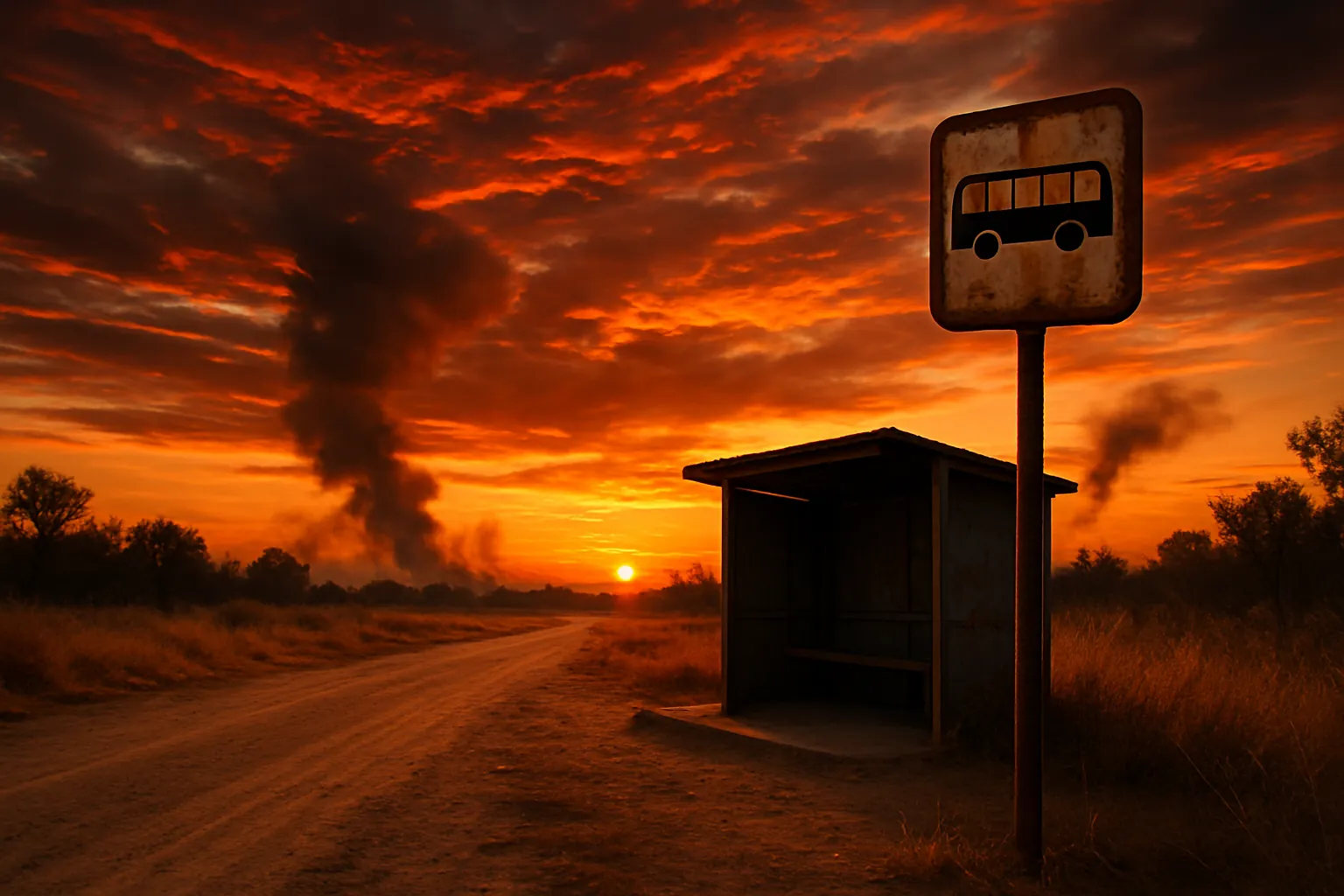
A California sunrise, once golden, turned a sickly orange as fire advanced at an unimaginable speed on November 8, 2018. For many, this vivid memory is etched into collective trauma—a trauma now brought to life, with unflinching realism, by director Paul Greengrass in the Apple TV+ feature “The Lost Bus”. The film, starring Matthew McConaughey and America Ferrera, plunges viewers into the frantic heart of the Camp Fire, the deadliest wildfire in California’s history, when a school bus driver and a teacher made a choice that would save 22 children’s lives.
Adapted from journalist Lizzie Johnson’s gripping 2021 book “Paradise: One Town’s Struggle to Survive an American Wildfire,” “The Lost Bus” is more than a disaster movie— it’s a searing examination of crisis, leadership and the failures that compound catastrophe. When the sky blackened and cell phones crackled from overloaded networks, bus driver Kevin McKay (played by McConaughey) and teacher Mary Ludwig (America Ferrera) faced an impossibly high-stakes decision: could they shepherd their charges to safety through hellish conditions that even first responders found impassable?
The production, underscored by Jamie Lee Curtis’s personal connection—her hometown reduced to ashes by similar flames—goes beyond heroics. According to The Atlantic, Curtis’s own experience lends the film “an intimate gravity rarely found in survival dramas.” But the true achievement may lie in Greengrass’s decision to adopt Johnson’s detailed, boots-on-the-ground sourcing: drawing from hours of 911 calls, first-person interviews, and public records to reconstruct a story that indicts, as much as it inspires.
Reckoning with Systemic Failure: Lessons from Paradise
Fresh pyrotechnics and edge-of-the-seat suspense set “The Lost Bus” apart—but the real substance lies in its narrative interrogation of why the Camp Fire was so devastating. Johnson’s reporting, now echoed in the film, spotlights a string of neglected responsibilities. Pacific Gas and Electric’s failure to update aging electrical infrastructure ignited the flames; outdated emergency alerts failed to warn residents in time; critical evacuation plans melted down into chaos. According to a Pew Research survey, more than 60% of Americans now believe worsening wildfires are a result of both natural causes and human negligence. “The Lost Bus” immerses viewers in these realities, showing how bureaucratic inertia and corporate cost-cutting have real, often tragic, repercussions for American communities.
A deeper look at Paradise exposes a pattern all too familiar in contemporary America: privatized profits, socialized risks. While PG&E reaped earnings for years, local schools, emergency crews, and working-class residents bore the brunt of deferred maintenance and evacuation breakdowns. 85 people lost their lives and more than 18,000 structures were obliterated—damage that survivors and their families are still grappling with. Beyond that, the trauma of the Camp Fire has fused new urgency in the national conversation about infrastructure and climate action. Harvard climate historian Dr. Sarah Klein argues, “These tragedies are often painted as natural disasters, but they’re just as much the inevitable result of political choices, deregulation, and short-term profit motives.”
“The road out of Paradise wasn’t just blocked by fire. It was blocked by a decade of deferred decisions by politicians and powerful companies more interested in avoiding blame than protecting people.”
The film seems poised to challenge a conservative narrative that responsibility begins—and ends—with individual heroism. Yes, McConaughey’s Kevin McKay risks everything. But “The Lost Bus” wrestles openly with the tougher questions: Why were these children left so vulnerable? Why did phone alerts fail when people needed them the most? The answer, Greengrass argues, is to be found in policy, not just valor.
Cinematic Power and a New Call for Social Justice
Trailers for “The Lost Bus” have already stirred social media, not just for their visual dynamism but for the deeper commentary pulsing beneath the spectacle. McConaughey’s presence—his first leading film role since 2021—has fans and critics alike abuzz. As critic Vinnie Mancuso notes for Collider, the trailer’s claustrophobic tension “pulses with both dread and hope,” inviting audiences to walk with these characters through smoke-choked uncertainty.
But there’s more at stake here than just cinematic thrills. The urgency of climate adaptation, resilient infrastructure, and social policy is woven through every frame. Is it enough to celebrate the heroism of a bus driver and teacher trying to outmaneuver disaster, or should the real applause go to efforts that would prevent such cataclysms from occurring in the first place? “The Lost Bus” dares you to confront that question.
Hollywood has too often settled for disaster spectacles that elide complexity in favor of simple, feel-good narratives. Instead, Greengrass, Curtis, and McConaughey bet on a story defined by hard truths—a film where the happy ending, if it arrives, is inextricably tied to recognizing the collective responsibility we bear.
Production on “The Lost Bus” closed just as the West entered yet another record-setting wildfire season, underscoring just how real and immediate these stakes remain. Advocacy groups like Climate Reality Project argue that “vivid, narrative-driven films can shift public opinion and policy far more than dry reports.” If that’s true, then every viewer of “The Lost Bus” is encouraged not just to remember, but to demand more of those in power—and of ourselves.
Will you simply cheer for heroes, or will you insist on the systemic change necessary to spare the next town from ruin? The question lingers long after the credits roll, echoing through the smoke and silence that follow the flames.
