
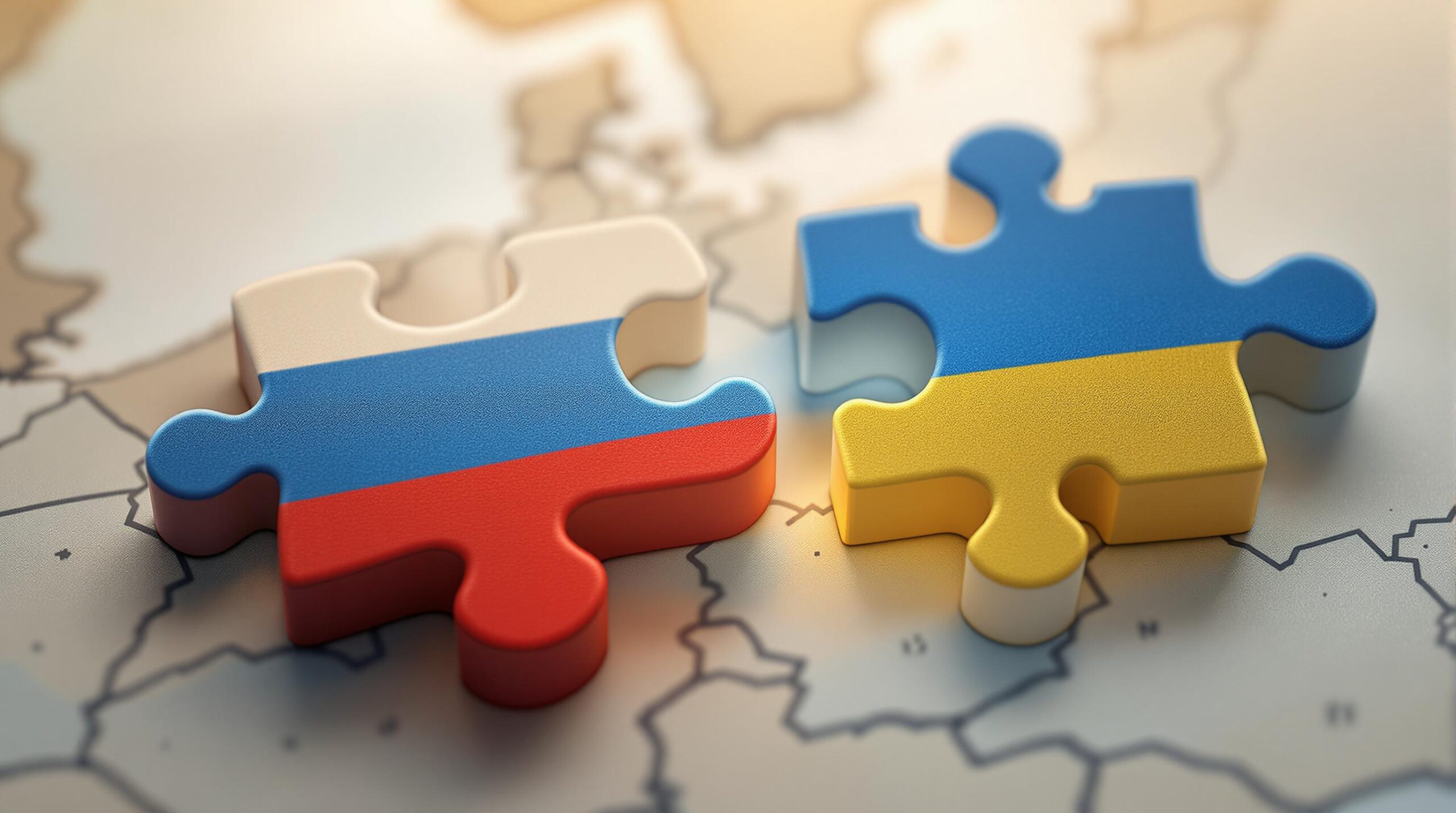
Recent remarks made by President Donald Trump affirm that diplomatic efforts to contain the escalating Russia-Ukraine conflict are ‘somewhat under control.’ Speaking aboard Air Force One in an interview with conservative media outlet Outkick, Trump reported notable, albeit incremental, headway following ongoing negotiations with Russian President Vladimir Putin and Ukraine’s Volodymyr Zelensky last week.
Trump’s comments spotlight his administration’s unique diplomatic strategy—a reliance on personal rapport and direct dialogue with foreign leaders. Revealing details about separate recent conversations, the President highlighted the underlying intention of these discussions: to reach a mutually acceptable and sustainable solution to the hostilities gripping Eastern Europe.
The Value and Limitations of ‘Personal Diplomacy’
One compelling strategy underscored by President Trump is his approach of leveraging personal relationships in diplomatic negotiations. Trump indicated a belief that his rapport with both Putin and Zelensky is foundational to advancing dialogue. Trump asserted unequivocally, “both leaders agreed this conflict needs to end with a lasting peace.”
Still, while the recent talks resulted in modest but meaningful outcomes—such as the 30-day suspension of Russian attacks on Ukraine’s energy infrastructure—it is crucial to note that these negotiations fell short of achieving a full ceasefire, a key goal outlined by the Trump administration at the outset. Ukrainian President Zelensky also accepted the terms of this pause, maintaining an equally cautious optimism.
Yet questions remain regarding the effectiveness and sustainability of personal-relationship-focused diplomacy. Historical precedents demonstrate that while individual trust can facilitate engagement initially, broader geopolitical factors often perpetuate conflicts beyond the capacities of single relationships. Consider the Reagan-Gorbachev rapport, hailed in ending Cold War tensions, but nonetheless supported tirelessly by strategic diplomatic frameworks and mutual concessions.
Statements from Trump’s Envoy Spark Controversy, Highlight Risks
Beyond Trump himself, recent statements from his special envoy Steve Witkoff have attracted scrutiny, complicating diplomacy by vividly illustrating controversial perceptions of President Putin’s leadership style. Witkoff openly praised Putin, labeling him “trustworthy” and distinguishing him as a “great leader.” Such laudatory comments prompt apprehension and skepticism among Western allies and political analysts who have consistently viewed Putin’s geopolitical maneuvers critically.
Witkoff’s assertions potentially complicate allied diplomatic relations, possibly signaling to NATO members and allies that the U.S. might inadvertently downplay significant concerns regarding Russian aggression in pursuit of temporary diplomatic gains. Historical experience cautions strongly against overt personal endorsements of foreign leaders, whose records on democracy and human rights are disputed at best.
“Praise from America’s diplomatic representatives needs careful calibration, especially when addressing adversarial leaders,” warned Professor Kara Ellis, a renowned expert on international relations based in Washington D.C. Ellis added, “It risks undermining years of diplomatic credibility gained through multilateral engagement and consistent advocacy for democratic values.”
Indeed, strategic dialogues require calculated, deliberate language. Diplomats must walk a fine line between courteous respect and endorsed approval—especially with contentious figures whose commitment to peace might be expedient and context-driven rather than sincere or transformative.
Building Towards Sustainable Peace: Realities and Prospects
Nonetheless, Trump’s current diplomatic stance offers signs of hope, particularly through his explicit acknowledgment shared by both conflicting parties of a mutual desire for resolution. The 30-day pause agreement, though partial, represents potential groundwork upon which robust peace discussions might progress. As described by the White House, the temporary halt in hostilities marks a foundational first step toward broader peace. Certainly, any tangible respite from suffering is unequivocally welcome amidst calamity.
However, truly sustainable peace demands comprehensive negotiations addressing underlying political grievances, security concerns, and human rights. The situation necessitates rigorous diplomatic strategies beyond personal rapport—an inclusive diplomatic framework actively engaging NATO allies, international partners, and humanitarian coalitions. Past successful international mediations, such as the resolution of conflicts in the Balkans, highlight the efficacy and necessity of multilateral approaches.
Moving forward, progressive advocates maintain cautious optimism. While applauding incremental gains, they recognize the delicate balance required to responsibly pursue lasting peace. Such advocates often emphasize broader humanistic and diplomatic commitments—efforts addressing civilians’ immediate humanitarian needs and sustainable long-term social and economic policies to rebuild post-conflict societies.
Ultimately, the complexity of the Russia-Ukraine war presents tremendous challenges that extend significantly beyond direct dialogues and diplomatic pleasantries. Yet, with concerted, comprehensive diplomatic strategies, including consultations with international allies and stakeholders, this initial small step articulated by Trump could conceivably catalyze broader, durable movement toward the stability and peace desperately needed by the citizens of Ukraine and the region at large.
