
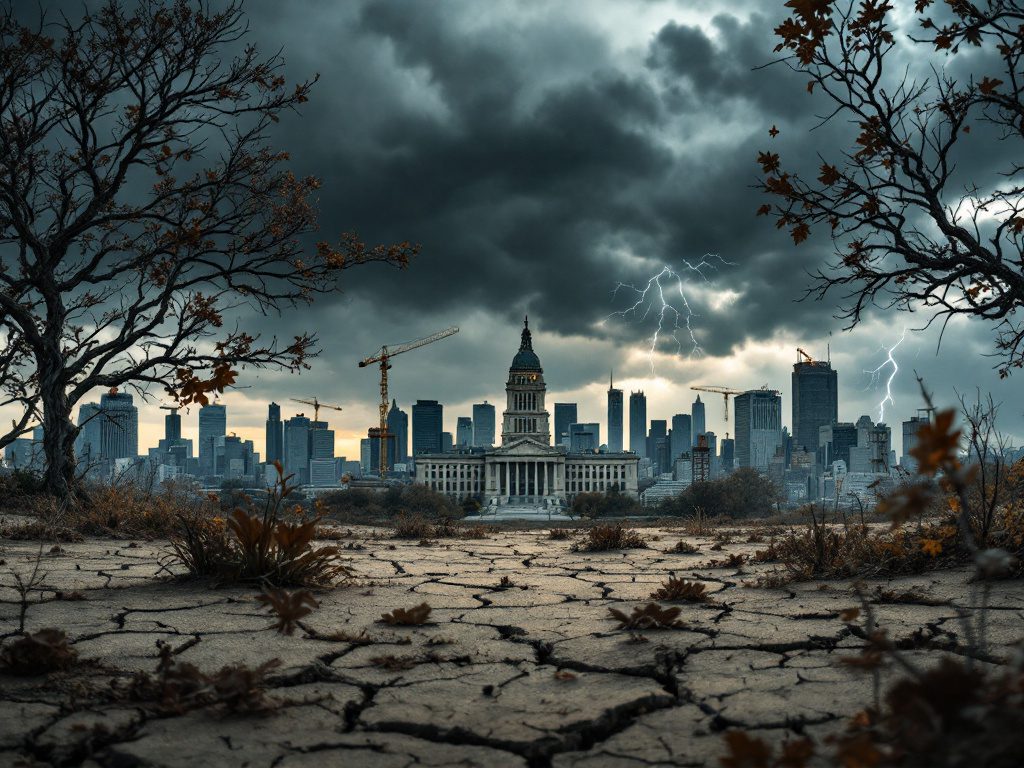
Collision Course: States vs. Federal Power in Climate Litigation
It’s the kind of story that cuts clean through party lines—a president who brands climate lawsuits as “frivolous” goes toe to toe with blue-state governments eager to hold Big Oil accountable. In early June, the Trump administration took the extraordinary step of suing Michigan and Hawaii to prevent them from pursuing legal action against the fossil fuel giants whose business, many scientists say, has driven the global climate crisis. The Department of Justice’s preemptive strike not only sets a new legal precedent but also frames a profound battle over who has the right to seek justice when an entire ecosystem, economy, and generation’s future are on the line.
The Trump DOJ argues that the anticipated state lawsuits threaten the American energy sector’s viability and endanger national security by undermining domestic energy production. Citing President Trump’s executive orders—most notably those withdrawing the U.S. from the Paris climate pact and pushing for rapid energy project permitting—the administration claims federal policy, not state intervention, should govern greenhouse gas regulation. On the opposing front, Democratic leaders in states like Michigan echo the sentiment that the federal government has abdicated its moral duty, prompting them to pursue litigation as a last-resort tool for climate accountability.
Across the U.S., dozens of cities and states have filed or planned lawsuits against oil conglomerates—Exxon Mobil, Chevron, ConocoPhillips, Shell, and BP among them—alleging these corporations misled the public on the environmental consequences of fossil fuel consumption. The Trump administration’s lawsuits mark, for the first time, a proactive attempt by the federal government to quash state-level efforts before any formal climate lawsuit is even filed.
The Stakes: Industry Shielded, Communities Exposed
What, exactly, are Republican strategists and the oil industry so afraid of? At the heart of the DOJ complaints is the warning that state litigation could “decimate and bankrupt” oil and gas companies if states are allowed to hold these firms liable for damages from hurricanes, wildfires, and flooding—weather disasters that, according to a vast scientific consensus, are exacerbated by burning fossil fuels. The suggestion is clear: protecting corporate balance sheets takes priority over community resilience or environmental justice.
Harvard law professor Richard Lazarus notes, “The federal government has generally played a supporting role in environmental protection. This move by DOJ flips that on its head—now, the feds are fighting against any meaningful climate accountability.” There’s a heavy dose of irony here, considering the U.S. government’s own history with landmark pollution litigation such as the 1990s tobacco settlement or asbestos claims.
Communities on the frontline of the climate crisis—think flooding along Lake Michigan, forest fires in Hawaii’s highlands—are left with dwindling recourse in the face of government stonewalling. By erecting these legal barriers, the Trump administration signals whose side it is really on: the threatened fossil fuel industry, not the mothers struggling with toxic floodwater in their basements or farmers counting lost harvests. According to a 2024 Pew Research Center survey, more than two-thirds of Americans support taking legal action against industries contributing to climate change, an attitude echoed in statehouses and city councils from New York to Honolulu.
“The principle at stake is whether states can protect their residents when the federal government abandons its post. This lawsuit is not just about climate damages—it’s about states’ rights and whether we let corporate interests dictate our environmental destiny.”
Where does this leave the future of climate litigation in the United States? Past efforts to hold powerful industries accountable—be it pharma over opioids or automakers for pollution—demonstrate the potential for states to drive national change even in the face of federal gridlock. Still, what we are witnessing now is a conservative federal government intent on locking the courthouse doors as a shield for one of America’s most profitable sectors.
Legal Precedents, Political Realities, and the Fight for Accountability
A closer look reveals these preemptive lawsuits are deeply political—dovetailing neatly with President Trump’s 2024 campaign promise to crack down on “environmental extremists” and advance “energy dominance.” By characterizing state climate suits as an “extraordinary extraterritorial reach,” the government hopes to invalidate any accountability efforts before they reach a courtroom. Yet no legal scholar can point to successful federal efforts to enjoin a state from even considering a lawsuit against private industry. As New York University environmental law expert Bethany Davis Noll notes, “This is highly unusual—the federal government isn’t just defending federal prerogative, it is attacking the right of states to protect their own people.”
Historical echoes abound. During the civil rights era, when federal authorities failed to enforce equality, states and local actors—sometimes out of good faith, sometimes not—became flashpoints for national debate. Today, it’s environmental justice and the climate crisis that inspire local action and federal resistance. The Trump DOJ’s polarizing move sends a chilling message to activist attorneys general across the political spectrum: step back, or face Uncle Sam’s wrath if you challenge the fossil fuel status quo.
The bigger question: when federal and state priorities clash, who should prevail? Democratic leaders like Michigan Attorney General Dana Nessel argue that the states are stepping up where Washington has fallen short. Their efforts mirror the growing public impatience for real progress on climate—even when high-powered lobbyists and institutional inertia continue to hobble national action. The courts, not campaign rally stages, should decide the sincerity and strength of state climate complaints.
The trend nationwide is unmistakable. According to a 2023 Columbia Law School report, more than two dozen U.S. jurisdictions have taken Big Oil to court, reflecting a surge in public awareness and renewed calls for corporate accountability in the face of mounting climate devastation. Legal experts warn that letting the federal government preempt state suits would set a dangerous precedent—one that could embolden Washington to block states from pursuing justice on a host of public health, consumer protection, or environmental fronts.
Ultimately, the partisan maneuvering seen in these latest DOJ lawsuits leaves Americans at a crossroads: do we allow fossil fuel interests to operate beyond reach, or defend the right of local communities to fight for a livable future? One thing is clear to many progressives—stamping out state climate litigation doesn’t just protect oil profits, it also silences the voices of communities seeking redress, environmental responsibility, and a cleaner, more just tomorrow.
