
Borderline Austerity: When Policy Becomes a Lifeline
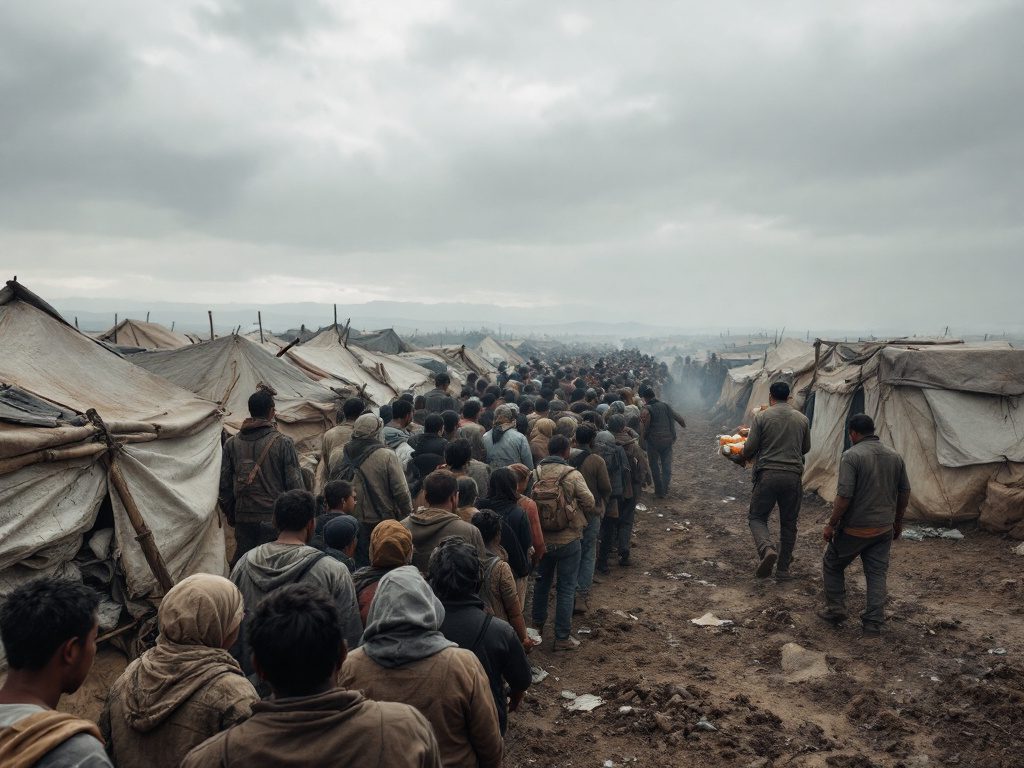
Border crises rarely make for simple narratives, but the recent closure of four United Nations High Commissioner for Refugees (UNHCR) offices in Mexico underscores just how intertwined global policy and local survival have become. In Palenque and Tenosique near the Guatemalan border—gateways for thousands fleeing turmoil in Central America and the Caribbean—office doors are shuttered, and 190 humanitarian staffers find themselves without work. These numbers represent more than bureaucratic adjustments; they signal a critical rupture in the fragile safety net for some of the hemisphere’s most vulnerable people.
The collapse of this support system has roots in the Oval Office. Former President Donald Trump’s high-profile freeze on foreign aid—ostensibly framed as a cost-cutting measure and a means to pressure other nations—has reverberated far more widely than many in Washington acknowledged. According to the UNHCR, the agency lost approximately 60% of its operating budget in Mexico after the aid suspension. That’s not a minor trim. It’s the difference between responding to a humanitarian emergency and standing helpless on the sidelines.
A closer look reveals Mexico’s evolving role as a refuge. According to the UNHCR, Mexico ranked among the top ten countries for asylum applications last year, witnessing surges from Cuba, Venezuela, and other nations convulsed by instability. In theory, the international aid architecture exists precisely for such moments—a safety valve easing pressure on border states and ensuring that those fleeing violence or poverty can access basic protection. What happens, though, when that architecture is gutted from the top down?
Punishing the Vulnerable: The Human Cost of Policy
The impact of these closures is tangible far beyond office walls. Local Catholic-run migrant shelters in southern Mexico have long relied on resources and technical support from the UNHCR to provide beds, food, legal assistance, and psychological support. With the closing of the Palenque and Tenosique field offices, staff at these shelters are already reporting shortages and delays in vital services. Maria Hernández, director of a regional shelter, told Reuters, “We’re improvising daily, turning away families we’d normally be able to help. It’s heartbreaking.”
What’s immediate for these communities is the erosion of hope. It’s not just administrative presence that’s missing; it’s emergency food, trauma counseling, and a pathway to legal recognition. A Pew Research Center report points out that Latin American migration to Mexico has not slowed—if anything, it has intensified as crises deepen in regional neighbors. Stripping the agency of resources at such a critical time has left swathes of asylum seekers adrift, at precisely the moment when expertise and structure matter most.
It’s popular in some corners of American politics to argue that trimming foreign aid is about putting Americans first. But history strongly suggests otherwise. When the U.S. slashed overseas support following the 1994 Rwandan genocide, humanitarian groups collapsed under the weight of need, and the world paid dearly for the vacuum left behind. Today’s cuts repeat that cruel lesson—ignore international obligations, and chaos does not stop at the border. Instability radiates outward, often reaching right back to the communities that first closed their hearts and their checkbooks.
“We’re improvising daily, turning away families we’d normally be able to help. It’s heartbreaking.”
– Maria Hernández, shelter director in southern Mexico
Beyond that, these budgetary maneuvers have not come in a vacuum. Harvard political scientist Steven Levitsky flags the broader trend: “America’s retreat from multilateralism is undermining not just global security, but the international norms that protect human life.” Such warnings aren’t partisan scaremongering. They speak directly to the international ripple effects that occur whenever the U.S. chooses short-term optics over sustainable, multilateral support.
Resilience and Responsibility: Navigating a Fractured Future
Policy choices do not occur in a social vacuum. The UNHCR’s diminished presence signals to governments up and down the hemisphere that support for refugees is negotiable, or worse, expendable. This interpretation emboldens reactionary forces within Mexico, where calls to militarize borders and accelerate deportations have grown louder in recent years. As a result, the most basic tenets of international law—non-refoulement, humane processing of asylum claims—face increasing strain.
Resilience in these communities comes not from walls, but from bridges. Despite the turmoil, Catholic migrant shelters and other local organizations continue to provide as much aid as limited resources allow. In Ciudad Hidalgo, a volunteer describes pooling scraps to make sure children arriving at their doors receive at least one hot meal per day. “We won’t let these kids starve,” she says, “but there’s only so many we can serve.”
There are lessons here for U.S. policymakers. Short-term savings on foreign aid have long-term ramifications not only for allies and migrants abroad, but ultimately for America’s own interests. According to migration scholar Elizabeth Oglesby, a well-funded UNHCR “acts as a force multiplier,” stabilizing regions and reducing pressure on the U.S.-Mexico border by helping asylum seekers to claim their rights where they are, rather than forcing perilous journeys northward.
If the measure of a nation’s compassion is how it treats the powerless, then the U.S. must reckon honestly with what these closures mean. Upholding human dignity demands more than rhetoric; it requires sustained investment in the institutions that make relief possible. Do we close the door on collective responsibility and retreat into isolation, or do we answer the knock with empathy and resolve?
A future built on justice and shared prosperity will not be forged by slashing budgets, but by confronting challenges head-on. This crisis, wrought by the tip of an executive pen a continent away, is a stark reminder: when we sever the ties of support, those with the least always pay the steepest price.
