
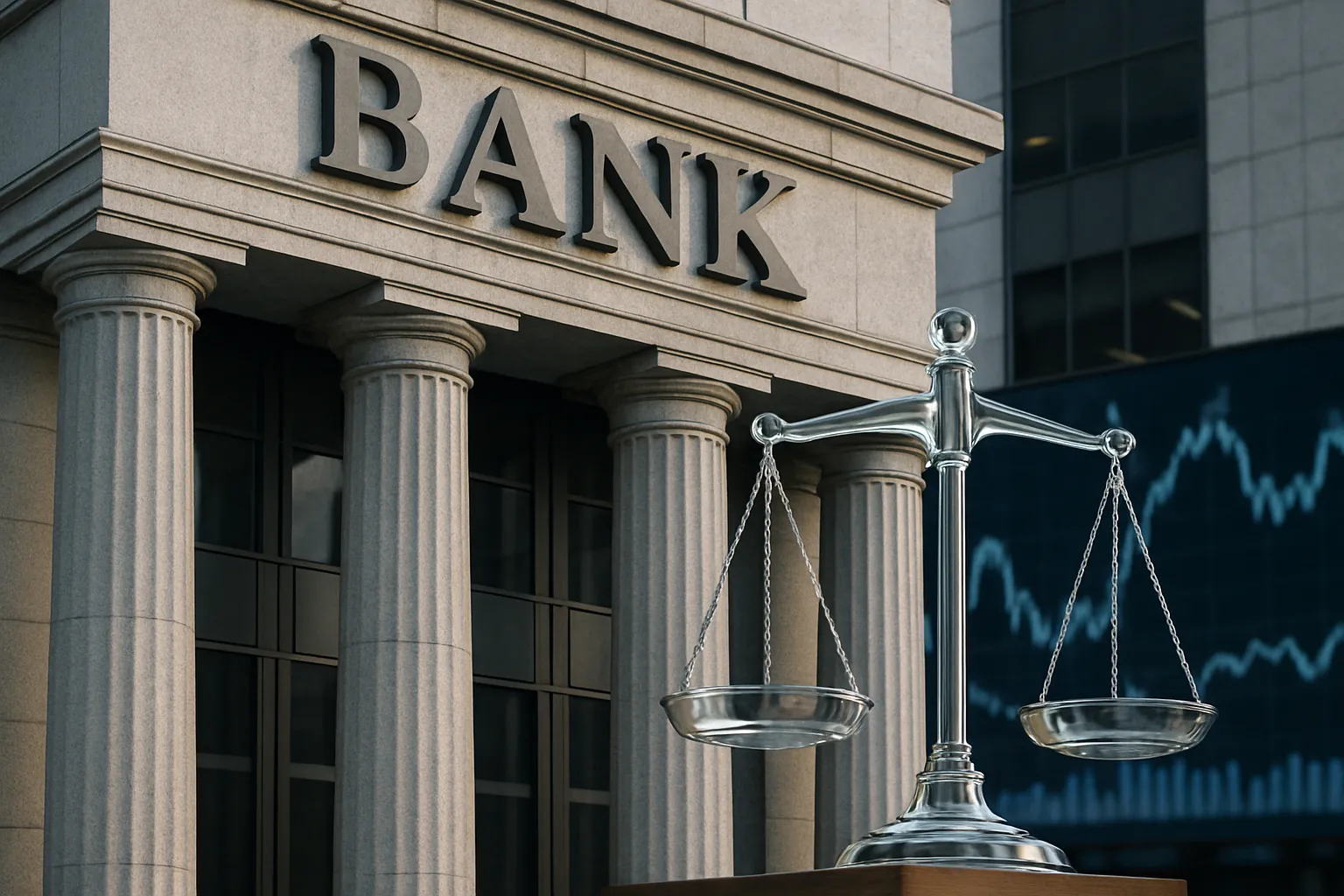
The High-Stakes Game of Central Bank Succession
Imagine a president publicly castigating the nation’s most powerful central banker, calling him names ranging from “knucklehead” to “numbskull.” This isn’t a satirical sketch—it’s a reality playing out in real time. President Donald Trump’s dissatisfaction with Federal Reserve Chair Jerome Powell has rippled through Washington for months, fueled by his belief that higher interest rates are choking economic growth and hurting his administration’s prospects. Now, according to Treasury Secretary Scott Bessent, the formal process to find Powell’s successor has begun, launching one of the most consequential appointments of Trump’s second term.
Fed Chair appointments rarely generate front-page drama. But the current search, unfolding two years ahead of Powell’s 2026 term conclusion, has shattered that norm. Trump’s public attacks—labeling Powell “too late” when adjusting rates and demanding more aggressive monetary easing—highlight just how politicized monetary policy has become. In an era defined by post-pandemic recovery challenges, high inflation, and persistent income inequality, who leads the Federal Reserve carries implications not only for Wall Street but for every American family wondering what tomorrow’s mortgage rates might look like.
Beyond the political spectacle, experts warn of an even greater risk: the erosion of the central bank’s cherished independence. Harvard economist Christina Romer observed in a recent panel discussion, “Undermining Fed autonomy doesn’t just rattle markets—it echoes through every household, business, and pension fund in the country.”
The Powell-Trump Feud: Personality or Policy?
A closer look reveals that the feud between Powell and Trump isn’t merely personal. It embodies a larger philosophical dispute over whether the Federal Reserve should act as a counterweight to presidential ambitions or work as an enthusiastic partner in government economic policy. Throughout American history, the Fed’s insulation from political interference has undergirded economic stability. The specter of a president treating the chairmanship as a revolving door for “loyalists” alarms even some conservative economists.
Bessent’s recent comments crystallize the tension: “It would be confusing and destabilizing if Powell stayed on the Fed board after his chairmanship concludes,” the Treasury Secretary said, pointedly suggesting Powell should leave altogether. No law prevents Bessent—or any Treasury Secretary—from serving concurrently as Chair of the Federal Reserve, but such an arrangement would be unprecedented, blurring the lines that separate fiscal and monetary policy. History offers cautionary tales: Richard Nixon’s pressure on then-Fed Chair Arthur Burns in the early 1970s contributed to years of runaway inflation after Burns acquiesced to political demands. The cost of meddling with the Fed, Americans learned, can be measured in lost jobs, gutted savings, and a crisis of confidence in the nation’s economic stewardship.
Already, Republican-aligned voices have called for investigations into Powell’s leadership, seizing on everything from Fed headquarters renovations to interest rate decisions as evidence of alleged mismanagement or deception. Yet Powell, leaning on the tradition of central bank independence, has signaled no intention of resigning before his term’s end. The market reaction? Mixed. Wall Street initially rallied on hopes of lower rates, but investors and leading business figures also expressed nervousness about a potential politicization of monetary policy. “When you threaten the Fed’s autonomy, you endanger everything from dollar stability to pension plan solvency,” warned Princeton professor Alan Blinder.
The integrity of the Federal Reserve is not just a technical matter for economists—it’s the invisible scaffolding holding up prosperity, opportunity, and trust in America’s future.
An Uncertain Road—And the Progressive Case for Fed Independence
What happens next? The shortlist to replace Powell reportedly includes Bessent himself and figures like former Fed Governor Kevin Warsh and National Economic Council Director Kevin Hassett—names associated with conservative economic orthodoxy. For progressives concerned about social justice, economic equality, and the fight against climate risk, the next Fed Chair could mean the difference between meaningful reform and regression.
Beyond that, progressive policymakers and advocates have long argued for a more activist central bank—one that acknowledges racial wealth gaps, addresses climate vulnerability, and expands the traditional definition of “maximum employment.” The Trump administration’s approach instead prioritizes rapid rate cuts and looser money, often at odds with long-run stability or inclusive growth. According to a 2023 analysis by the Roosevelt Institute, the Fed’s ability to act independently helped steer the nation away from deeper disaster during both the 2008 financial crisis and the COVID-induced downturn. “Breaking that firewall,” the report concluded, “invites short-term wins at the risk of deeper, long-term damage.”
The stakes aren’t academic. Retirees on fixed incomes, young families buying their first homes, and communities fighting disinvestment and climate vulnerability are all relying on a central bank that resists being weaponized for political gain. A progressive vision for the Fed is not one of isolation, but of responsible independence—serving all Americans, not just the party in power. As Bessent and Trump proceed with their search, the nation must decide: will the Federal Reserve be a bulwark for collective well-being or a tool for partisan advantage?
History tells us that when the scales tip too far toward political manipulation—whether under Nixon, Erdogan in Turkey, or populists in Latin America—the public pays the price. The unfolding battle over Powell’s successor is about more than an individual’s career. It is a referendum on how much America values the institutions that quietly safeguard democracy and shared prosperity.
